
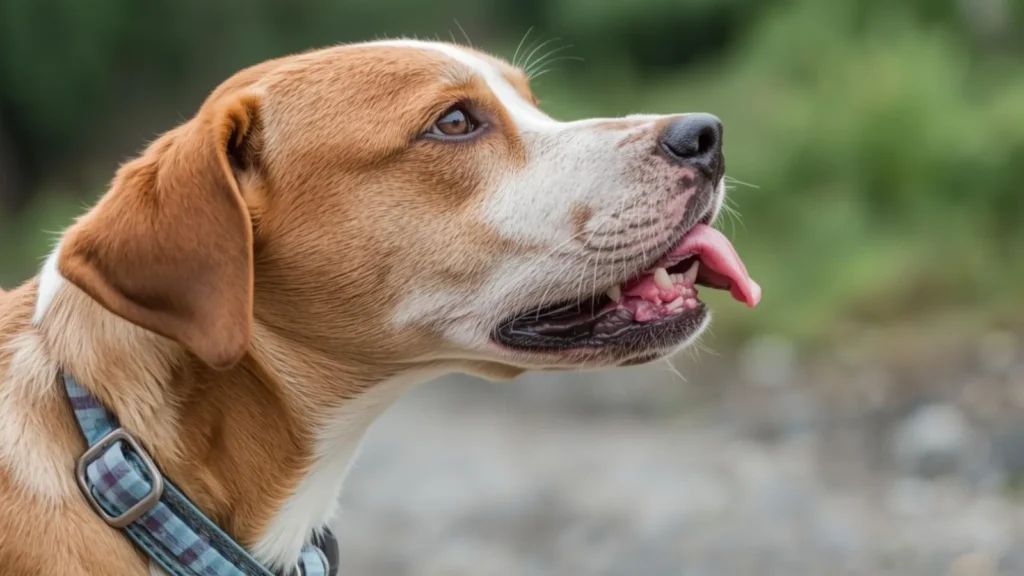
Dogs have a special way of showing their feelings, and one of the most common and sometimes puzzling behaviors is licking. Whether it’s a quick peck on your hand, a full-on face lick, or constant nudges with their tongue, dog licking is more than just a random act.
For many dog owners, the question arises: “What does it really mean when my dog licks me?” Is it affection, attention-seeking, stress, or something else entirely?
Understanding why dogs lick humans can help strengthen the bond between you and your furry friend while also giving you insight into their emotions and needs.
In this article, we’ll explore the science behind dog licking, the different types of licks, what they signal, and how to respond appropriately.
By the end, you’ll have a clear understanding of your dog’s “love language” and what those wet little kisses are really telling you.
Understanding Dog Licking: The Basics
Licking is one of the primary ways dogs communicate, alongside barking, growling, and body language. From the moment puppies are born, licking plays an essential role in social bonding. Mother dogs lick their pups to clean them, stimulate bodily functions, and show care. As dogs grow, this instinct often carries over into interactions with humans. When your dog licks you, it’s their way of connecting, expressing emotions, or sending subtle messages.
Not all licks are the same, and understanding the context is key. A gentle lick on your hand may simply be a greeting or a sign of affection, while persistent licking could indicate anxiety or a need for attention. Dogs may also lick to explore their environment; their mouths are packed with sensory information, and licking helps them “taste” and understand the world around them.
Licking can also reflect a dog’s personality and learned behavior. Some breeds and individual dogs naturally lick more than others. For example, retrievers and hounds tend to be more physically affectionate, while more independent breeds may lick less frequently. Observing your dog’s body language alongside the licking tail wagging, ear position, or relaxed posture can help you interpret whether the lick is loving, playful, or signaling discomfort.
By recognizing these basics, you can begin to decode your dog’s licking behavior and respond in a way that strengthens your bond.
The Science Behind Dog Licks
Dog licking isn’t just a random habit it’s deeply rooted in biology and evolution. From an early age, licking serves practical and social purposes. Puppies instinctively lick their mother to signal hunger, get attention, and receive care. This behavior evolves into a form of social bonding that carries into adulthood. When your dog licks you, it can reflect this same instinct to communicate and connect.
On a chemical level, licking triggers the release of oxytocin, often called the “bonding hormone,” in both dogs and humans. This hormone strengthens emotional bonds and promotes feelings of trust and affection. That’s why a gentle lick can feel so comforting it’s your dog’s way of expressing love and reinforcing your relationship.
Licking also has neurological and sensory purposes. Dogs have highly sensitive tongues that can detect taste and texture, and licking allows them to explore their surroundings, including the humans they care about. Additionally, licking serves as a calming mechanism; dogs often lick themselves, objects, or humans to relieve stress or anxiety.
Animal behaviorists also note that licking can serve as a social signal. In the wild, subordinate wolves lick dominant pack members as a gesture of respect or appeasement. Domestic dogs retain this instinct, often licking their human caregivers to show submission or reinforce social hierarchy within the household.
Understanding the science behind licking helps pet owners see these behaviors not as annoying habits but as meaningful forms of canine communication.:
Different Types of Licks and What They Mean
Not all dog licks are created equal. Understanding the type of lick your dog gives can help you interpret their emotions and intentions. One of the most common forms is the affectionate lick. This gentle, relaxed licking often on your hands, face, or arms is a clear sign of love and trust. Dogs use these licks to bond and show that they feel safe around you.
Another type is the submissive lick, which is usually accompanied by a lowered body, wagging tail, or ears pulled back. This behavior signals respect or appeasement, often indicating that your dog recognizes you as the pack leader. While this might look similar to affectionate licking, the body language makes the difference.
Attention-seeking licks are more persistent and may occur when your dog wants food, playtime, or interaction. If your dog repeatedly licks you while looking at you or nudging your hand, they are trying to communicate a need.
Dogs also exhibit stress or anxiety licks, sometimes called displacement behaviors. These licks can appear repetitive or compulsive, often paired with yawning, pacing, or tense body posture. This type of licking signals that your dog is nervous or uncomfortable and may need reassurance or a calming environment.
Lastly, medical-related licks can indicate pain, nausea, or oral discomfort. For example, a dog licking its paw or your skin excessively could be experiencing irritation or a health issue.
By observing the context, intensity, and body language, you can better understand whether your dog’s licks are affectionate, submissive, attention-seeking, anxious, or a sign of a health problem.
Why Dogs Lick Some People More Than Others
Have you ever noticed that your dog licks certain people more than others? This behavior is influenced by a combination of biological, psychological, and environmental factors. One of the primary reasons is scent and taste. Human skin naturally produces sweat, oils, and salts, all of which can attract dogs. They often lick people whose scent or taste is more appealing, which is why your salty hands after cooking or exercising may invite extra licks.
Dogs also respond to individual energy and personality. A calm, relaxed person may receive gentle, frequent licks, while a more anxious or high-energy person might get fewer. Dogs are highly sensitive to human emotions, and licking can be a way to mirror, soothe, or interact with the person’s emotional state.
Learned behavior is another factor. Dogs quickly associate licking with positive attention, treats, or play. If one person consistently responds to licks with affection or treats, the dog is likely to lick them more frequently. Conversely, a person who discourages licking may receive fewer licks over time.
Lastly, social and past experiences play a role. Dogs who were well-socialized and handled gently as puppies tend to be more physically affectionate, whereas dogs with limited early interaction or past trauma may be selective about whom they lick.
By observing these patterns, you can better understand your dog’s preferences and the subtle ways they show affection or communicate with different people in their environment. Licking is not random it’s a personal, meaningful interaction shaped by biology, experience, and social bonds.
Licking and Health Considerations
While dog licking is often a sign of affection or communication, it’s important to be aware of potential health considerations. Dog saliva contains bacteria, and although most are harmless to humans, excessive licking can sometimes cause skin irritation or trigger allergic reactions, especially in people with sensitive skin. For this reason, it’s important to wash areas that are frequently licked, particularly around the mouth and hands.
Excessive licking can also indicate underlying medical issues. Dogs may lick certain areas of your body or their own bodies if they are experiencing pain, inflammation, or discomfort. For example, a dog licking its paws, mouth, or a specific spot on your skin could be signaling a health problem that needs veterinary attention. Persistent licking at a human’s hand or arm may also be a way for the dog to self-soothe if they are feeling anxious or stressed.
Preventing the spread of germs is another reason to monitor licking behavior. Avoid letting dogs lick open wounds, cuts, or sensitive areas. Regular dental care and hygiene for your dog can help reduce harmful bacteria and prevent oral infections that could be transmitted through licking.
It’s also important to recognize when licking becomes obsessive or compulsive. Behavioral experts recommend observing frequency and context; excessive licking can indicate anxiety, boredom, or stress. Addressing the root cause with attention, play, or professional guidance ensures your dog remains healthy and happy, while maintaining a safe and positive interaction for you.
By balancing affection with caution, you can enjoy your dog’s licks while keeping both of you healthy.
How to Respond to Your Dog’s Licking
Understanding why your dog licks is the first step in responding appropriately. For most dogs, licking is a natural and affectionate behavior, but it’s important to set boundaries when needed. Encouraging affectionate licking can strengthen the bond between you and your pet. You can respond with gentle petting, calm verbal praise, or a soft touch to reinforce their positive behavior.
When licking becomes excessive or unwanted, it’s best to redirect your dog’s attention rather than punish them. For example, if your dog is persistently licking your hands or face, offer a toy, chew, or treat as an alternative. This teaches them acceptable ways to seek attention while maintaining positive interactions. Avoid scolding, as dogs may interpret punishment as confusing or stressful, which can increase anxiety or worsen the behavior.
Consistency is key. Establish clear rules about where and when licking is acceptable. If your dog licks during greetings, allow it briefly and then redirect to another activity. Over time, they learn the boundaries without losing their affectionate connection with you.
For dogs showing stress-related licking, creating a calm environment can help. Ensure they have a quiet space, regular exercise, and mental stimulation. Consulting a veterinarian or professional dog trainer may be necessary if licking seems obsessive or compulsive.
By observing your dog’s behavior, understanding its meaning, and responding thoughtfully, you can enjoy their affection safely and maintain a happy, healthy relationship. Licking then becomes a joyful form of communication rather than a problem.
Fun Facts and Myths About Dog Licking
Dog licking has fascinated humans for centuries, and many myths have developed around this behavior. A common misconception is that dogs lick solely to show love or obedience. While affection is a major reason, licking can also communicate submission, anxiety, or curiosity. Understanding the context helps separate myth from fact.
One fun fact is that dogs have an incredibly sensitive sense of taste. Their tongues can detect salt, sweat, and even traces of food on human skin, which explains why they sometimes lick after you’ve been cooking or exercising. Licking also releases pleasurable chemicals like endorphins in dogs, which is why some dogs enjoy licking themselves, objects, or even humans as a self-soothing behavior.
Another interesting insight is that licking reduces stress for both dogs and humans. Studies show that gentle dog licks can trigger oxytocin release, the “bonding hormone,” creating feelings of relaxation and happiness. In a way, your dog is giving you a natural, furry stress-relief therapy!
Some cultures interpret licking differently. In many parts of the world, a dog’s lick is considered a greeting or a sign of trust, while in others, it is seen more as a hygiene concern. Regardless of interpretation, licking is a meaningful form of communication between dogs and humans.
By recognizing the science, context, and playful quirks behind dog licking, you can enjoy these behaviors without being misled by myths. Those wet little kisses are more than cute; they’re your dog’s way of connecting, communicating, and showing trust.
Conclusion:
Dog licking is much more than a simple, instinctive act it’s a complex form of communication, rooted in biology, emotion, and social behavior. From affectionate licks that show love and trust to submissive or attention-seeking licks, every lick carries meaning. By observing the context, intensity, and body language that accompanies licking, you can better understand what your dog is trying to communicate and respond appropriately.
Licking is also a way for dogs to strengthen their bond with you. When your dog licks you, oxytocin, the “bonding hormone” , is released in both of you, reinforcing trust, comfort, and a sense of connection. This is why those gentle, wet kisses can feel so heartwarming; they are a natural form of emotional expression and bonding.
It’s equally important to recognize when licking might signal stress, anxiety, or health concerns. Excessive or obsessive licking should be monitored, and consulting a veterinarian or professional trainer may be necessary to address underlying issues. Balancing affection with awareness ensures your dog remains healthy while maintaining a positive, safe interaction for you.
Ultimately, dog licking is a multi-layered behavior that reflects both your dog’s personality and their relationship with you. By learning to interpret these licks, setting healthy boundaries, and responding with understanding, you can enjoy this unique form of canine communication while deepening your bond. Those little licks are not just cute they’re your dog’s way of saying “I trust you, I love you, and I feel safe with you.”
FAQs
Even after understanding the basics, many dog owners still have questions about licking. Here are some practical tips and frequently asked questions to help you navigate this behavior.
1. How can I encourage healthy licking?
Allow gentle, affectionate licks, especially during calm interactions. Reward calm behavior with praise or petting, but redirect excessive or attention-seeking licks to a toy or chew.
2. How do I stop unwanted licking?
Consistency is key. Teach your dog commands like “no lick” or redirect them to an acceptable activity. Avoid punishment, as it can increase stress or confusion.
3. Is licking a sign of stress?
Yes. Repetitive or obsessive licking, especially when combined with yawning, pacing, or tucked tails, can indicate anxiety. Creating a calm environment, providing mental stimulation, and consulting a professional trainer can help.
4. Can dog licking transmit diseases?
While most dog saliva is harmless, bacteria can cause mild skin irritation or infection if it contacts open wounds. Wash skin areas frequently licked and avoid allowing your dog to lick cuts or sores.
5. Fun fact: Dogs may also lick because it feels good to them. Licking releases endorphins, giving them a sense of comfort and satisfaction.

“On You Wishes, I share the most heartfelt wishes for every moment — birthdays, love, or motivation. Each message is written with emotion to bring smiles and inspiration!”