
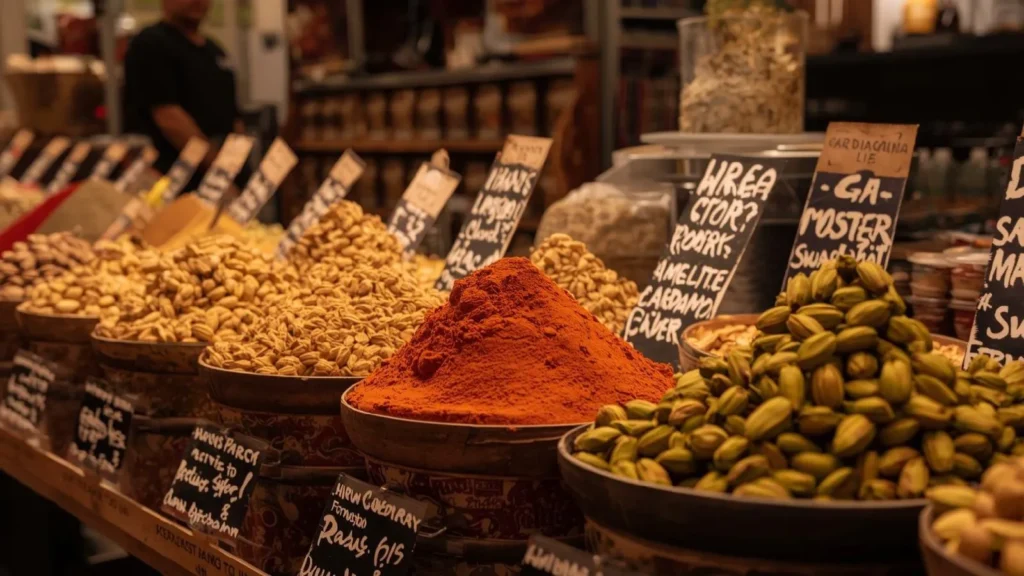
Cardamom is one of those spices people recognize instantly but struggle to describe. Warm, aromatic, and surprisingly complex, its flavor doesn’t fit neatly into one category.
If you’ve ever wondered what cardamom tastes like, you’re not alone. Some describe it as sweet and spicy, others notice citrusy or herbal notes, and a few even compare it to mint or eucalyptus. The truth is, cardamom’s taste depends on how it’s used, how fresh it is, and which type of cardamom you’re tasting.
Common in Indian, Middle Eastern, and Scandinavian cooking, cardamom adds depth to both sweet and savory dishes, from chai tea and baked goods to curries and rice.
In this guide, we’ll break down the cardamom taste profile, explain how it compares to other spices, and show you what to expect when using it in food and drinks so you can decide if it’s a flavor you’ll love.
What Is Cardamom? (Quick Background)
Cardamom is a highly aromatic spice made from the seed pods of plants in the Zingiberaceae family, the same family as ginger. Native to South Asia, particularly India and Sri Lanka, cardamom has been used for thousands of years in cooking, medicine, and traditional drinks. Today, it’s a key ingredient in many global cuisines, including Indian, Middle Eastern, Scandinavian, and North African dishes.
The spice comes in small green or black pods, each containing tiny, dark seeds that hold most of the flavor. Green cardamom is the most common and widely used variety, prized for its bright, slightly sweet taste. Black cardamom, on the other hand, is larger and has a smoky, earthy flavor due to the way it’s dried over open flames. White cardamom is simply bleached green cardamom and has a milder taste.
Cardamom can be used whole, crushed, or ground into a fine powder. Whole pods release flavor slowly and are often used in teas, rice, and stews, while ground cardamom delivers a more immediate and intense taste, making it popular in baking. Because cardamom’s essential oils fade quickly, freshness plays a major role in how strong and vibrant the flavor tastes in any dish.
What Does Cardamom Taste Like? (Overall Flavor Profile)
Cardamom has a flavor that’s best described as warm, aromatic, and multi-layered. At first taste, it delivers a gentle sweetness, followed by a subtle spiciness that’s warming rather than hot. Unlike chili-based spices, cardamom doesn’t burn the tongue. Instead, it creates a smooth, comforting heat that spreads slowly across the palate.
One of the most distinctive parts of the cardamom taste profile is its fresh, almost cooling quality. Many people notice hints of citrus, mint, or eucalyptus, which give the spice a clean and slightly refreshing finish. These bright notes balance the warmth, preventing cardamom from tasting heavy or overpowering when used correctly.
As the flavor develops, light herbal and floral undertones appear, adding complexity and depth. This is why cardamom works equally well in desserts and savory dishes it can enhance sweetness while also complementing meats, grains, and vegetables. The aftertaste is long-lasting but pleasant, leaving a fragrant, slightly sweet-spicy impression rather than bitterness.
The intensity of cardamom’s flavor depends heavily on freshness and form. Freshly ground cardamom or newly cracked pods taste brighter and more vibrant, while older ground cardamom can taste dull or flat. When used in small amounts, cardamom adds elegance and warmth. When overused, however, its strong aromatic oils can dominate a dish. This balance is what makes cardamom both a powerful and versatile spice in cooking.
How Does Cardamom Smell? (Aroma vs Taste)
The aroma of cardamom is often the first thing people notice, and it plays a huge role in how the spice tastes. Before it even touches your tongue, cardamom releases a strong, fragrant scent that signals its complexity. When you crack open a fresh pod, the smell is immediately warm and sweet, with bright, slightly sharp notes that feel both comforting and refreshing.
Cardamom’s aroma is commonly described as citrusy, herbal, and lightly minty, with hints of pine or eucalyptus. These fresh-smelling compounds are why cardamom is frequently used in teas, coffees, and desserts, where aroma enhances the overall flavor experience. In many cases, what people interpret as “taste” is actually the spice’s scent rising through the nose while eating or drinking.
While aroma and taste are closely linked, they’re not identical. The smell of cardamom tends to be brighter and more intense, while the taste is softer, warmer, and slightly sweeter. This contrast explains why cardamom can smell powerful but taste surprisingly smooth when used properly.
Freshness has a major impact on aroma. Whole pods retain essential oils far longer than ground cardamom, which loses its fragrance quickly once exposed to air. Crushing or lightly toasting the pods releases even more aroma, intensifying the perceived flavor of a dish without needing to add extra spice. Understanding the difference between how cardamom smells and how it tastes helps cooks use it more effectively and avoid overpowering their recipes.
Is Cardamom Sweet, Spicy, or Bitter?
Cardamom doesn’t fit neatly into just one flavor category, which is why so many people find it intriguing. Instead of being purely sweet or spicy, cardamom offers a balanced combination of sweetness, warmth, and herbal freshness. This layered profile is what allows it to work in such a wide range of recipes.
On the sweet side, cardamom has gentle, almost honey-like notes. These are most noticeable in baked goods, desserts, and drinks like chai or coffee. When paired with sugar, milk, or cream, cardamom’s sweetness becomes more pronounced, adding depth rather than sharpness.
In terms of spiciness, cardamom provides warmth rather than heat. It doesn’t sting the tongue the way chili or black pepper does. Instead, it creates a soft, comforting sensation similar to cinnamon or nutmeg, but with a fresher, brighter edge. This warming quality is why cardamom is commonly used in cold-weather dishes and beverages.
Cardamom is not naturally bitter when used correctly. However, bitterness can appear if too much is added or if the spice is old and stale. Overcooking ground cardamom can also bring out harsher flavors. When measured carefully and used fresh, cardamom remains smooth and pleasant, never sharp or unpleasant.
Overall, cardamom is best described as sweet-spicy with herbal and citrusy undertones. Its ability to lean sweet or savory depending on the recipe is what makes it such a versatile and valued spice in cuisines around the world.
What Does Green Cardamom Taste Like?
Green cardamom is the most commonly used and widely loved variety, known for its bright, fresh, and balanced flavor. Its taste is often considered the purest expression of cardamom, making it the type most people think of when they imagine the spice. Compared to other varieties, green cardamom is aromatic without being heavy and complex without being overpowering.
When you taste green cardamom, the first thing you’ll notice is a gentle sweetness, followed by warm spice notes. This sweetness is clean and light rather than sugary, which helps it blend seamlessly into both sweet and savory dishes. Alongside this warmth are fresh, slightly citrusy and herbal flavors, sometimes compared to lemon zest, mint, or eucalyptus. These bright notes give green cardamom a refreshing quality that sets it apart from deeper, earthier spices.
Green cardamom is especially popular in desserts, baked goods, and beverages. It’s a key ingredient in chai tea, flavored coffees, pastries, and custards, where its aromatic sweetness enhances other flavors instead of competing with them. In savory cooking, it’s often used in rice dishes, curries, and spice blends to add fragrance and depth.
Because green cardamom has a strong aroma but a smooth taste, a small amount goes a long way. Freshly cracked pods deliver the best flavor, while pre-ground cardamom should be used quickly to avoid dullness. When used correctly, green cardamom adds elegance, warmth, and a distinctive freshness that few other spices can match.
What Does Black Cardamom Taste Like?
Black cardamom has a flavor that is dramatically different from green cardamom, even though they come from related plants. While green cardamom is bright and slightly sweet, black cardamom is bold, smoky, and deeply earthy. Its unique taste comes from the traditional drying process, where the pods are cured over open flames, absorbing smoke along the way.
When you taste black cardamom, the first impression is an intense smokiness, similar to smoked wood or campfire embers. Beneath that smoky layer are savory, slightly bitter notes with hints of resin, menthol, and dried herbs. Black cardamom lacks the clean sweetness of green cardamom and instead delivers a more robust, almost savory warmth.
Because of its powerful flavor, black cardamom is rarely used in desserts. Instead, it shines in hearty, slow-cooked savory dishes. It’s commonly added to Indian curries, stews, braised meats, and rice dishes like biryani, where its smoky depth enhances rich ingredients without overwhelming them. The pods are usually added whole and removed before serving, allowing the flavor to infuse gently.
A little black cardamom goes a very long way. Using too much can make a dish taste overly smoky or medicinal. For beginners, it’s best to start with one pod and adjust slowly. When used thoughtfully, black cardamom adds a deep, savory complexity that green cardamom simply can’t provide.
What Does White Cardamom Taste Like?
White cardamom is the mildest and least common form of cardamom, and its flavor is noticeably more subtle than both green and black varieties. It’s made by bleaching green cardamom pods, a process that lightens their color but also reduces their intensity. As a result, white cardamom offers a softer, more delicate taste.
In terms of flavor, white cardamom retains some of the gentle sweetness and warmth of green cardamom, but without the bright citrusy or herbal edge. The taste is smooth, lightly spicy, and slightly floral, making it less aromatic and less complex overall. Because of this, it rarely stands out on its own and is usually used where a hint of cardamom flavor is desired rather than a bold statement.
White cardamom is most often found in light-colored desserts, baked goods, and creamy sauces where visual appearance matters. Bakers may choose it to avoid dark specks from ground green cardamom while still adding subtle warmth. However, many chefs and home cooks prefer green cardamom for its stronger aroma and fuller taste.
Since white cardamom is milder, it’s easier to overuse without noticing much flavor impact. Even then, it won’t deliver the same depth or fragrance as freshly crushed green pods. For most recipes, green cardamom remains the best choice, while white cardamom serves as a gentler alternative for delicate dishes where color and subtlety are more important than intensity.
Whole Cardamom Pods vs Ground Cardamom Taste
The form of cardamom you use has a significant impact on how it tastes in your dish. Whole cardamom pods and ground cardamom powder deliver very different flavor experiences, even though they come from the same spice.
Whole cardamom pods provide a slower, more controlled release of flavor. When used intact or lightly crushed, the seeds inside gradually infuse dishes with warmth and aroma. This makes whole pods ideal for teas, coffees, rice dishes, stews, and slow-cooked recipes. The flavor tends to be smoother and more balanced, with less risk of overpowering other ingredients. Many cooks remove the pods before serving, leaving behind a subtle, fragrant taste.
Ground cardamom, on the other hand, delivers an immediate and much stronger flavor. Because the seeds are fully exposed, the spice blends quickly into batters, doughs, and sauces. This makes ground cardamom especially popular in baking and desserts, where even distribution is important. However, ground cardamom loses its essential oils rapidly once exposed to air, causing the flavor to fade over time.
Freshness plays a major role here. Freshly ground cardamom from whole pods tastes brighter, sweeter, and more complex than pre-ground powder that’s been sitting on a shelf for months. For the best flavor, many cooks prefer buying whole pods and grinding them as needed. Choosing the right form helps control intensity and ensures the cardamom enhances rather than overwhelms a dish.
What Does Cardamom Taste Like in Sweet Dishes?
In sweet dishes, cardamom reveals its most approachable and widely loved side. The spice’s natural warmth and gentle sweetness blend beautifully with sugar, dairy, and baked ingredients, creating a flavor that feels comforting yet distinctive. Rather than tasting sharp or spicy, cardamom adds depth and aroma that elevates desserts without overpowering them.
When used in baking, cardamom brings out soft, floral, and slightly citrusy notes. It pairs especially well with ingredients like vanilla, honey, chocolate, apples, pears, and almonds. In pastries, cakes, and cookies, cardamom often replaces or complements cinnamon, offering a fresher and more aromatic alternative. Scandinavian baking, in particular, relies heavily on cardamom for breads, buns, and sweet rolls.
In creamy desserts such as custards, rice pudding, and ice cream, cardamom infuses a warm, fragrant flavor that feels rich but not heavy. The spice also shines in sweet beverages like chai tea, hot chocolate, and flavored coffee, where its aroma enhances the overall drinking experience.
The key to using cardamom in sweet dishes is restraint. A small amount can transform a dessert, while too much may dominate more delicate flavors. When balanced correctly, cardamom adds a refined, slightly alluring sweetness that makes familiar desserts taste more complex and memorable without being overwhelming.
What Does Cardamom Taste Like in Savory Dishes?
In savory dishes, cardamom takes on a deeper, more complex role, adding warmth and aroma rather than sweetness. Its flavor blends seamlessly with savory ingredients, enhancing them without making the dish taste sugary or dessert-like. Instead, cardamom contributes a subtle richness that rounds out bold flavors.
When used in curries, stews, and soups, cardamom adds a warm, slightly peppery note with herbal and citrus undertones. It works especially well with onions, garlic, ginger, and tomatoes, helping to balance acidity and richness. In Indian and Middle Eastern cooking, whole cardamom pods are often added early in the cooking process, allowing their flavor to slowly infuse oils and liquids.
Cardamom is also a key component in many spice blends, such as garam masala and biryani masala. In these mixtures, it doesn’t overpower but instead ties together other spices like cloves, cumin, cinnamon, and coriander. The result is a more rounded, aromatic flavor profile.
In rice dishes and pilafs, cardamom adds fragrance that enhances the natural taste of grains. With meats, particularly lamb, chicken, and beef, it brings warmth and depth that complements rich proteins. Black cardamom is especially popular in hearty savory recipes due to its smoky character.
Used sparingly, cardamom elevates savory dishes by adding complexity and aroma, making them taste fuller and more balanced without standing out as a single dominant flavor.
What Does Cardamom Taste Like in Drinks?
Cardamom is widely used in beverages because its aroma and flavor shine when steeped or brewed. In drinks, cardamom tastes warm, slightly sweet, and refreshingly aromatic, often becoming more noticeable through scent than direct taste. This makes it a favorite addition to teas, coffees, and spiced drinks around the world.
In tea, especially chai, cardamom adds a smooth warmth with gentle citrusy and herbal notes. It balances the bitterness of black tea and enhances the sweetness of milk and sugar without overpowering them. Freshly crushed pods release the best flavor, creating a fragrant and comforting drink.
Cardamom is also popular in Middle Eastern and Turkish coffee, where it adds a bright, clean edge to the coffee’s natural bitterness. The spice doesn’t make the coffee taste sweet, but it softens harsh notes and adds a lingering, pleasant aftertaste. Even a small amount can transform the entire cup.
In modern recipes, cardamom appears in smoothies, hot chocolate, and even cocktails. When paired with milk, cream, or plant-based alternatives, cardamom tastes rich and soothing. In cold drinks, its citrusy and mint-like qualities feel surprisingly refreshing.
Because liquids extract flavor quickly, it’s important to use cardamom sparingly in drinks. Too much can make the beverage taste medicinal or overly perfumed. When balanced correctly, cardamom adds warmth, fragrance, and complexity, turning simple drinks into something more refined and memorable.
How Strong Is Cardamom?
Cardamom is considered a strong and highly aromatic spice, but its strength comes more from fragrance than heat. Unlike chili or pepper, cardamom doesn’t create an intense burning sensation. Instead, its potency lies in its concentrated essential oils, which release powerful aroma and flavor even in small amounts.
In comparison to other warm spices like cinnamon, nutmeg, or cloves, cardamom is often stronger and more noticeable. Just a pinch of ground cardamom or one lightly crushed pod can significantly change the flavor of a dish. This is why many recipes call for small quantities and why overuse is a common mistake, especially for beginners.
The perceived strength of cardamom also depends on how it’s used. Ground cardamom tastes stronger and more immediate, while whole pods release flavor gradually and tend to be milder overall. Freshness plays a major role as well freshly ground cardamom is far more potent than pre-ground spice that has been sitting in a pantry for months.
If too much cardamom is used, it can dominate a dish and introduce sharp, medicinal, or overly perfumed notes. This can mask other flavors rather than enhance them. To avoid this, it’s best to start with a small amount and adjust gradually.
When used correctly, cardamom’s strength works to your advantage. It adds depth, warmth, and aroma without heaviness. Mastering its intensity is key to enjoying its complex flavor and using it confidently in both sweet and savory recipes.
What Spices Does Cardamom Taste Similar To?
Cardamom is often compared to other warm spices, but its flavor remains distinct. While it shares certain qualities with familiar seasonings, no single spice fully matches its complexity. Understanding these comparisons can help you imagine what cardamom tastes like if you’ve never tried it before.
Cardamom is most commonly compared to cinnamon. Both are warm and aromatic, but cinnamon is sweeter and more straightforward, while cardamom has a brighter, fresher edge with herbal and citrusy notes. Cardamom also lacks cinnamon’s woody heaviness, making it feel lighter on the palate.
Another comparison is cloves, which share a strong aroma and warming quality. However, cloves are sharper, more pungent, and slightly bitter. Cardamom is smoother and more balanced, without the numbing intensity cloves can sometimes have.
Nutmeg is also similar in warmth, but it’s earthier and more rounded, lacking cardamom’s fresh, menthol-like lift. Cardamom stands out because it combines warmth with a cooling sensation, something most other spices don’t offer.
Some people notice mild similarities to ginger due to their shared botanical family, though cardamom is sweeter and far less spicy. Unlike ginger, it doesn’t have a sharp bite.
Overall, cardamom is best described as a bridge between sweet and savory spices. It shares traits with cinnamon, cloves, and nutmeg but remains unique due to its citrusy, herbal, and lightly minty character. This uniqueness is why it’s difficult to substitute cardamom without noticeably changing a recipe’s flavor.
What Foods and Flavors Pair Well With Cardamom?
Cardamom pairs well with a wide range of foods because its flavor can lean sweet, savory, or aromatic depending on how it’s used. Its warm, fragrant profile makes it especially versatile in both traditional and modern recipes.
In sweet pairings, cardamom works beautifully with vanilla, honey, chocolate, and sugar, enhancing sweetness without becoming cloying. It complements fruits like apples, pears, oranges, and berries, adding warmth and depth. Nuts such as almonds, pistachios, and walnuts also pair naturally with cardamom, which is why it appears so often in pastries and desserts across Scandinavian and Middle Eastern cuisines.
For savory dishes, cardamom pairs well with rice, lentils, and legumes, where its aroma enhances mild flavors. It blends seamlessly with onions, garlic, ginger, and tomatoes, helping balance richness and acidity. When cooking meat, cardamom complements lamb, chicken, and beef, adding warmth without overpowering the protein.
Cardamom also works exceptionally well with other spices. It pairs naturally with cinnamon, cloves, nutmeg, cumin, coriander, and black pepper, often acting as the aromatic glue in spice blends like garam masala. In drinks, it matches perfectly with tea, coffee, milk, and cream.
When paired thoughtfully, cardamom enhances other flavors rather than competing with them. Its ability to adapt is what makes it one of the most valued spices in kitchens around the world.
Does Cardamom Taste Good to Everyone?
Cardamom is widely loved, but it’s not a spice that appeals to everyone right away. Because its flavor is complex and highly aromatic, people experience it differently depending on personal taste, cultural background, and familiarity with spices. For some, cardamom tastes warm, fragrant, and comforting. For others, especially first-time tasters, it can seem unusual or even overwhelming.
One reason opinions vary is cardamom’s herbal and slightly minty character. These notes can remind some people of eucalyptus or medicinal flavors, particularly if too much cardamom is used. This reaction is more common when tasting heavily spiced dishes or drinks where cardamom dominates rather than blends.
Cultural exposure also plays a big role. In regions where cardamom is commonly used such as South Asia, the Middle East, and Scandinavia people often grow up enjoying its flavor. For those unfamiliar with it, cardamom can be an acquired taste, similar to coffee, dark chocolate, or strong cheeses.
The good news is that cardamom becomes more enjoyable when used gently. Starting with small amounts in sweet dishes or warm drinks helps most people appreciate its softer, sweeter side. Pairing it with familiar flavors like cinnamon, vanilla, or milk can also make it more approachable.
While cardamom may not appeal to everyone immediately, many people grow to enjoy its unique warmth and fragrance over time. When balanced well, it adds complexity and elegance that few other spices can match.
Common Mistakes That Affect Cardamom Taste
Many people try cardamom once and decide they don’t like it not because of the spice itself, but because of how it was used. Cardamom is powerful, and small mistakes can drastically change how it tastes in a dish.
One of the most common mistakes is using too much cardamom. Because it’s highly aromatic, even a little extra can overpower other flavors and create a sharp, medicinal taste. This often happens with ground cardamom, which releases flavor instantly. Starting with a small amount and adjusting gradually is key.
Another issue is using stale cardamom. Cardamom loses its essential oils quickly once ground, causing the flavor to become flat or slightly bitter. Old cardamom won’t deliver the warm, fragrant taste people expect. Buying whole pods and grinding them as needed preserves freshness and flavor.
Not choosing the right type of cardamom is another common problem. Substituting black cardamom for green cardamom in a sweet recipe can result in an unpleasant smoky taste. Each variety has a specific role, and using the wrong one can throw off an entire dish.
Improper preparation can also affect taste. Whole pods should be lightly crushed or cracked to release their flavor. Using them whole without opening them may result in very little taste, while overcooking ground cardamom can make it harsh.
Avoiding these mistakes allows cardamom’s true character to shine warm, balanced, and aromatic rather than overpowering or unpleasant.
FAQs
Does cardamom taste like soap?
Cardamom doesn’t naturally taste like soap, but some people perceive it that way because of its strong herbal and slightly minty notes. This reaction is more likely when too much cardamom is used or when it’s paired poorly with other flavors. When balanced correctly, cardamom tastes warm and fragrant rather than soapy.
Can you eat cardamom raw?
Yes, cardamom seeds can be eaten raw, but the flavor is very strong and intense. Chewing whole seeds releases a powerful burst of aroma that some people enjoy, while others find it overwhelming. Raw cardamom is more commonly used to freshen breath in some cultures.
Is cardamom overpowering?
Cardamom can be overpowering if overused. Its essential oils are highly concentrated, which is why recipes call for small amounts. When used sparingly, it enhances dishes rather than dominating them.
Why does cardamom taste different in some dishes?
Cardamom’s flavor changes depending on how it’s cooked and what it’s paired with. In sweet dishes, it tastes warmer and sweeter, while in savory recipes it becomes more herbal and spicy. Brewing, toasting, and cooking time all influence how its flavor develops.
How long does cardamom flavor last?
Whole cardamom pods retain flavor for much longer than ground cardamom. Ground cardamom can lose potency within months, while whole pods can stay flavorful for up to a year when stored properly in an airtight container away from heat and light.
Final Thoughts
Cardamom is a spice that rewards curiosity and careful use. Its flavor is complex, warm, and aromatic, offering a balance of sweetness, spice, and herbal freshness that few other spices can match. While it may seem unusual at first, especially to those unfamiliar with it, cardamom becomes far more enjoyable once you understand how it behaves in different dishes.
The key to enjoying cardamom is moderation and freshness. Using small amounts allows its flavor to enhance recipes without overwhelming them. Freshly cracked pods or recently ground seeds deliver the best taste, ensuring the spice’s natural oils remain vibrant and aromatic. Choosing the right type green for sweet and delicate dishes, black for hearty savory meals also makes a noticeable difference.
Cardamom’s versatility is one of its greatest strengths. It works beautifully in desserts, savory dishes, and drinks, adapting its character based on the ingredients around it. From fragrant chai and rich curries to baked goods and rice dishes, cardamom adds depth and elegance when used thoughtfully.
If you’re new to cardamom, start simple. Try it in tea, coffee, or a lightly spiced dessert before experimenting with more complex recipes. With time, cardamom’s unique flavor often grows on people, turning from unfamiliar to indispensable in the kitchen.

“On You Wishes, I share the most heartfelt wishes for every moment — birthdays, love, or motivation. Each message is written with emotion to bring smiles and inspiration!”