
Gum disease is a common oral health problem that affects millions of people worldwide, yet many do not realize they have it until it becomes severe.
Recognizing the early signs of gum disease is crucial for preventing long-term damage to your teeth and gums. But what does gum disease look like, and how can you tell if your gums are at risk?
Healthy gums are usually firm, pink, and snug around your teeth. When disease starts to develop, subtle changes like redness, swelling, or bleeding can appear.
Left untreated, gum disease can progress from mild gingivitis to more serious periodontitis, leading to gum recession, tooth loss, and even bone damage.
In this article, we will guide you through the visual signs of gum disease, the causes behind these changes, and the steps you can take to protect your oral health.
By learning to spot these signs early, you can save your smile and overall health.
Understanding Gum Disease
Gum disease, also known as periodontal disease, is an infection of the tissues surrounding and supporting your teeth. It typically starts as gingivitis, a mild form that affects only the gums. Gingivitis is often caused by poor oral hygiene, which allows plaque—a sticky film of bacteria—to build up along the gumline. At this stage, gums may appear red, swollen, and may bleed during brushing or flossing.
If left untreated, gingivitis can progress to periodontitis, a more severe form of gum disease. In periodontitis, the infection spreads below the gumline, damaging the bones and connective tissue that hold your teeth in place. This can lead to gum recession, loose teeth, and in severe cases, tooth loss.
Who is at Risk?
Certain factors increase the likelihood of developing gum disease. Poor oral hygiene, smoking, diabetes, hormonal changes, and genetic predisposition all contribute to higher risk. Even people who brush and floss regularly can develop gum problems if other factors are present.
Understanding these basics is essential because early detection and treatment can prevent serious complications. Recognizing changes in your gums early is the first step toward protecting your smile and overall oral health.
Visual Signs of Gum Disease
Recognizing the visual signs of gum disease early can save your teeth and gums from serious damage. The appearance of your gums often reveals the stage and severity of the condition.
Early Signs (Gingivitis)
In the initial stage, gums may look red or inflamed instead of healthy pink. They can feel swollen or tender to the touch, and you might notice bleeding when brushing or flossing. These signs are subtle but important—ignoring them can allow the disease to progress.
Advanced Signs (Periodontitis)
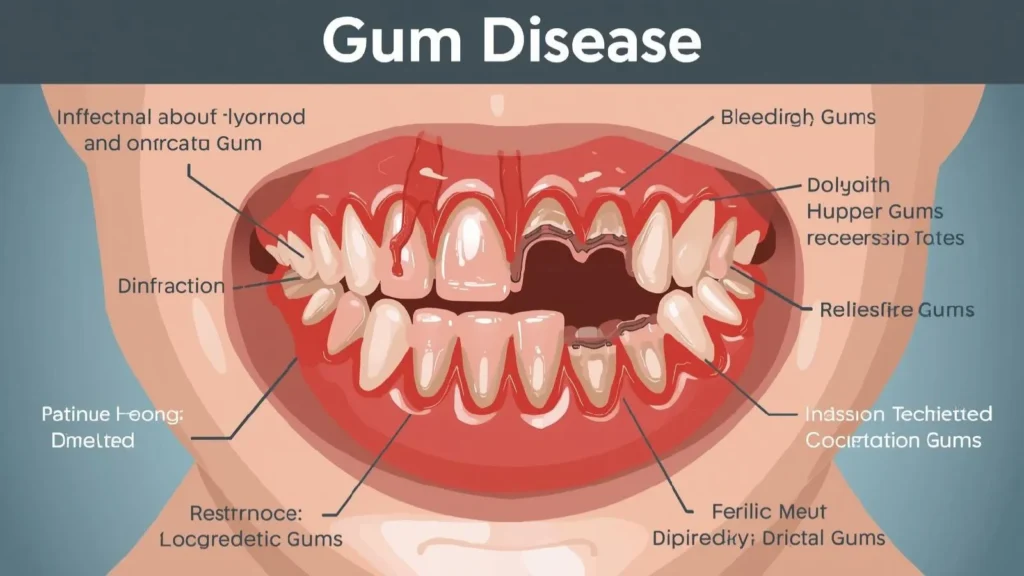
As gum disease worsens, more noticeable changes appear. Receding gums make teeth look longer, while persistent bad breath may develop due to bacterial buildup. Pus between teeth and gums, loose teeth, or shifting teeth indicate severe infection. You might also see deep pockets forming between the teeth and gums, which trap bacteria and food particles.
Healthy vs Diseased Gums
Healthy gums are firm, pink, and fit snugly around the teeth. Diseased gums are often red, swollen, or shiny and may bleed easily. Paying attention to these visual cues can help you catch gum problems early, making treatment simpler and more effective.
Causes of Gum Disease
Understanding the causes of gum disease is key to prevention and early treatment. Several factors contribute to the development of this common oral condition.
Plaque and Tartar Build-Up
The primary cause of gum disease is plaque, a sticky layer of bacteria that forms on teeth. If plaque is not removed through regular brushing and flossing, it hardens into tartar, which can only be removed by a dentist. Tartar irritates the gums, leading to inflammation and infection.
Lifestyle Factors
Certain habits increase the risk of gum disease. Smoking or chewing tobacco weakens the immune system, making it harder for gums to fight infection. A poor diet high in sugar contributes to bacterial growth, while stress and hormonal changes can also affect gum health.
Medical Conditions
Some health conditions make gums more vulnerable. Diabetes can reduce blood flow to the gums, slowing healing. Autoimmune disorders and certain medications that reduce saliva flow may also increase the risk. Additionally, genetics can play a role, as some people are more prone to gum disease even with good oral hygiene.
By understanding these causes, you can take targeted steps to protect your gums, from improving oral hygiene to managing lifestyle and health factors.
How Gum Disease Progresses Over Time
Gum disease does not appear overnight; it develops gradually, often going unnoticed until it becomes severe. Understanding its progression helps you recognize warning signs early and take action.
Stage 1: Gingivitis
The earliest stage is gingivitis, where gums become red, swollen, and prone to bleeding. At this point, the damage is minimal, and the condition is reversible with proper oral care. Most people ignore these early signs because there is usually no pain.
Stage 2: Early Periodontitis
If gingivitis is left untreated, it can advance to periodontitis, where infection spreads below the gumline. Gum pockets form, and gums start to recede, exposing more of the tooth. Mild bone loss may begin, and bad breath or a metallic taste in the mouth can develop.
Stage 3: Advanced Periodontitis
In severe cases, gums pull away from teeth, causing deep pockets filled with bacteria. Teeth may become loose, shift, or even fall out. Significant bone loss occurs, and the risk of systemic health issues, such as heart disease, increases.
By recognizing the progression—from mild gingivitis to advanced periodontitis—you can act early, preventing permanent damage and protecting both your smile and overall health.
When to See a Dentist
Knowing when to see a dentist is crucial for preventing gum disease from becoming severe. Early detection allows for effective treatment and can save your teeth from permanent damage.
Warning Signs
You should schedule a dental visit if you notice any of the following symptoms: bleeding gums, especially when brushing or flossing; persistent bad breath; red, swollen, or tender gums; receding gums; or loose or shifting teeth. Even mild symptoms should not be ignored, as gum disease often progresses quietly.
Regular Dental Check-Ups
Even without obvious symptoms, it’s important to maintain regular dental check-ups every six months. Dentists can detect early signs of gum disease using tools such as gum probing, X-rays, and visual examinations. Early intervention can reverse gingivitis and prevent periodontitis.
Urgent Care
Seek urgent dental care if you notice pus between your teeth and gums, severe pain, or significant tooth mobility. These signs indicate advanced infection that may require immediate treatment.
Remember, gum disease can progress silently. Regular monitoring and timely visits to your dentist are the best ways to protect your oral health and maintain a healthy, confident smile.
Prevention and Care
Preventing gum disease is far easier than treating it, and good oral habits can protect your teeth and gums for life.
Daily Oral Hygiene
Brushing at least twice a day with fluoride toothpaste and flossing daily removes plaque before it hardens into tartar. Using an antibacterial mouthwash can further reduce harmful bacteria and keep gums healthy.
Healthy Lifestyle Choices
Lifestyle plays a key role in gum health. Quitting smoking and limiting sugary foods reduces the risk of infection. Eating a balanced diet rich in vitamins C and D helps maintain strong gums, while managing stress supports overall immune function.
Professional Dental Care
Regular dental visits are essential. Dentists can perform professional cleanings to remove tartar, and in early stages, scaling and root planing can reverse damage. In severe cases, more advanced treatments such as antibiotics or surgery may be necessary.
By combining proper daily care, healthy habits, and professional dental check-ups, you can prevent gum disease or stop it from worsening. Early attention not only preserves your smile but also protects your overall health, as untreated gum disease can contribute to heart disease and other conditions.
Common Misconceptions About Gum Disease
Many people misunderstand gum disease, which can prevent them from seeking treatment early. Clearing up these misconceptions is important for maintaining healthy gums.
Myth 1: Bleeding Gums Are Normal
Some think occasional bleeding while brushing is normal. In reality, bleeding gums are often the first sign of gingivitis and should never be ignored. Early attention can prevent more serious problems.
Myth 2: Gum Disease Always Causes Pain
Gum disease is often painless in its early stages, which is why many people are unaware they have it. By the time pain occurs, the disease may have progressed significantly, making treatment more complicated.
Myth 3: Only Adults Get Gum Disease
While more common in adults, children and teenagers can also develop gum problems. Poor oral hygiene, hormonal changes, or certain medical conditions can make young people susceptible.
Myth 4: Brushing Alone Can Prevent Gum Disease
Brushing is essential, but flossing, mouthwash, and regular dental visits are also needed to remove plaque between teeth and under the gumline.
Understanding the facts about gum disease helps you take preventive measures early. By separating myths from reality, you can better protect your oral health and maintain a strong, healthy smile for years to come.
Conclusion
Gum disease is a common but preventable condition that can affect people of all ages. Recognizing the visual signs of gum disease from red, swollen, or bleeding gums to receding gums and loose teeth is the first step toward protecting your oral health. Early detection, proper oral hygiene, and regular dental visits can reverse gingivitis and prevent it from progressing to more serious stages like periodontitis.
Prevention is always better than cure. Brushing and flossing daily, using an antibacterial mouthwash, eating a balanced diet, and avoiding tobacco are simple but highly effective ways to keep your gums healthy. Additionally, regular dental check-ups allow professionals to spot subtle changes that might go unnoticed at home.
Ignoring gum disease can lead to tooth loss, bone damage, and even impact overall health, including increased risk of heart disease and diabetes. By staying aware of the causes, symptoms, and progression of gum disease, you can take control of your oral health and maintain a confident smile.
Remember, healthy gums are not just about appearance they are essential for a healthy mouth and a healthier life. Don’t wait for pain to appear; act early and protect your gums today.