
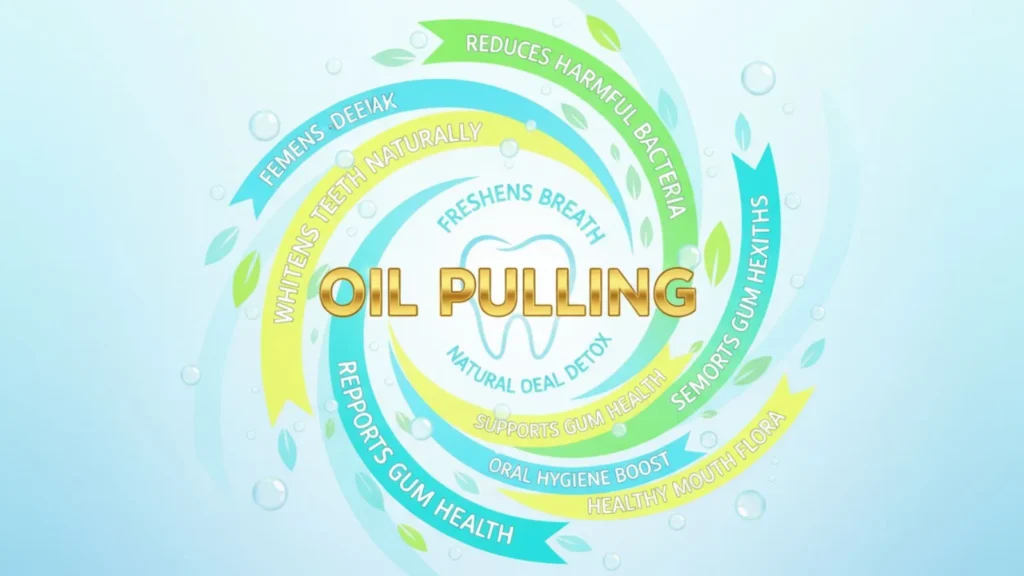

Oil pulling is an ancient practice rooted in Ayurveda that has recently gained global attention for its potential oral and overall health benefits.
But what does oil pulling do, really? In simple terms, it involves swishing natural oils like coconut, sesame, or sunflower oil in your mouth for several minutes each day.
Advocates claim it helps remove harmful bacteria, improves gum health, reduces bad breath, and even whitens teeth naturally.
While modern science is still exploring its full effects, many people find it a simple, chemical-free addition to their oral care routine.
Beyond oral hygiene, oil pulling has also sparked curiosity for its potential to support overall wellness, from detoxifying the mouth to promoting fresher breath.
In this article, we’ll break down the benefits, risks, proper techniques, and myths surrounding oil pulling, helping you understand whether this age-old practice is right for your daily routine.
What Is Oil Pulling
Oil pulling is a traditional oral care practice that originated in Ayurveda, the ancient system of medicine from India. The process is simple yet unique: a small amount of oil, usually coconut, sesame, or sunflower oil, is swished around the mouth for 10–20 minutes before being spat out. The technique is sometimes called “kavala graha” or “gandusha” in Ayurvedic texts, where it was recommended for maintaining oral hygiene and overall health.
The primary idea behind oil pulling is that the oil attracts and “pulls” bacteria, toxins, and debris from the mouth, helping to cleanse the teeth, gums, and tongue. Unlike regular rinsing with water or mouthwash, oil’s thick, viscous texture allows it to bind to lipid-coated bacteria, potentially reducing the bacterial load in the mouth.
While oil pulling has been practiced for centuries, it has recently regained popularity due to social media and the growing interest in natural wellness routines. People use it as a chemical-free alternative or addition to brushing and flossing. Though not a replacement for professional dental care, oil pulling is considered a gentle, accessible practice that may contribute to better oral health when done consistently.
History and Origins of Oil Pulling
Oil pulling has its roots in Ayurveda, the ancient Indian system of medicine that dates back over 3,000 years. In Ayurvedic texts, the practice is referred to as “kavala graha” or “gandusha,” and it was primarily recommended to maintain oral hygiene, strengthen teeth, and support overall health. Traditionally, practitioners used sesame oil or other plant-based oils, swishing them in the mouth as part of a daily morning routine before eating or brushing.
The practice was based on the belief that the mouth is a gateway to the body’s health. By removing toxins and impurities from the oral cavity, it was thought that oil pulling could prevent disease, improve digestion, and promote overall well-being. Over time, it became a staple in Ayurvedic medicine for holistic health maintenance.
Oil pulling remained largely regional for centuries, practiced primarily in India and neighboring countries. However, in recent decades, it has gained international attention as part of the natural health movement. Modern advocates often use coconut oil due to its pleasant taste and antibacterial properties, while maintaining the same basic principle: swishing oil in the mouth to support oral health and hygiene.
How Oil Pulling Works in the Mouth
The effectiveness of oil pulling lies in its simple yet unique mechanism in the mouth. When you swish oil, its thick, viscous texture binds to bacteria, plaque, and debris that accumulate on your teeth, gums, and tongue. Many harmful bacteria in the mouth have a lipid (fatty) outer layer, which allows them to attach to the oil molecules. Swishing the oil for 10–20 minutes helps lift these bacteria away from oral surfaces, reducing the overall bacterial load.
In addition to removing bacteria, oil pulling stimulates saliva production. Saliva naturally contains enzymes that support oral health by breaking down food particles and balancing pH levels. The combination of mechanical swishing and enzymatic action enhances the cleansing effect, creating an environment less favorable for bacteria that cause bad breath, plaque buildup, and gum inflammation.
While oil pulling should not replace brushing or flossing, it can complement regular oral hygiene. By consistently incorporating this practice, some people report fresher breath, healthier gums, and cleaner teeth. Essentially, oil pulling works as a natural mouth rinse that physically removes bacteria, while supporting the mouth’s natural defense mechanisms, making it a simple yet potentially beneficial addition to daily oral care routines.
Types of Oils Used for Oil Pulling
The choice of oil is a key factor in the practice of oil pulling, as different oils offer unique benefits for oral health. Coconut oil is the most popular today, mainly due to its pleasant taste and natural antibacterial properties. It contains lauric acid, which has been shown to reduce harmful bacteria in the mouth, potentially helping with plaque control, gum health, and bad breath.
Sesame oil is the traditional oil used in Ayurvedic practices. Known for its anti-inflammatory and antimicrobial properties, sesame oil has been used for centuries to support oral hygiene. Its mild flavor makes it suitable for those seeking a more authentic Ayurvedic experience.
Sunflower oil is another option, though less commonly used. It has a light taste and contains vitamin E, which may support gum health. While it may not be as potent as coconut or sesame oil in antibacterial effects, it still works well for gentle cleansing.
When choosing an oil, quality matters. Organic, cold-pressed oils are preferred to avoid additives and preservatives. The best oil for oil pulling depends on personal preference, taste, and sensitivity, but all three coconut, sesame, and sunflower offer a natural, chemical-free way to support oral hygiene.
Oral Health Benefits of Oil Pulling
Oil pulling is primarily known for its impact on oral health, offering several potential benefits when practiced consistently. One of the main advantages is the reduction of harmful bacteria in the mouth. By swishing oil, plaque-forming bacteria are lifted from teeth and gums, helping to prevent cavities and gum inflammation.
Another significant benefit is improved gum health. Regular oil pulling may reduce redness, swelling, and bleeding caused by gingivitis, as the oil helps remove bacteria that trigger inflammation. Many people also notice fresher breath, as oil pulling can reduce the presence of odor-causing bacteria.
Oil pulling may also assist in plaque control. While it cannot replace brushing or flossing, it can complement these routines by reaching areas that brushes may miss, creating a cleaner oral environment. Some users report smoother teeth and healthier-looking gums, which can contribute to overall oral comfort.
Additionally, oil pulling is a natural, chemical-free practice, making it an appealing alternative for those seeking holistic oral care. While results vary among individuals, the combination of bacteria removal, plaque control, and gum support makes oil pulling a simple and effective method to maintain oral hygiene when done consistently.
Does Oil Pulling Whiten Teeth
One of the most popular claims about oil pulling is that it can naturally whiten teeth. Many people notice a brighter smile after incorporating oil pulling into their routine, but it’s important to understand how this effect works. Oil pulling primarily removes surface stains caused by coffee, tea, smoking, or other foods. By reducing plaque and lifting debris from the teeth, the enamel appears cleaner and slightly brighter over time.
However, oil pulling is not a replacement for professional teeth whitening treatments. It does not change the natural color of enamel or reverse deep stains caused by trauma, medications, or aging. The whitening effect is subtle and develops gradually with consistent practice, usually over several weeks.
The type of oil used may influence results. Coconut oil is popular for whitening due to its antibacterial properties and smooth texture, which makes swishing more effective at reaching all tooth surfaces. Sesame and sunflower oils may also help, though their impact on stains is less studied.
In summary, oil pulling can contribute to a cleaner, brighter-looking smile by removing surface stains and plaque, but it should be considered a supportive practice rather than a full whitening solution. Consistency is key to seeing any noticeable improvement.
Oil Pulling and Gum Disease
Gum disease, including gingivitis and periodontitis, is a common oral health concern caused by plaque buildup and bacterial infection. Oil pulling may help support gum health by reducing the number of harmful bacteria in the mouth. Swishing oil for 10–20 minutes can remove bacteria that contribute to inflammation, redness, and bleeding of the gums.
Several studies suggest that regular oil pulling can reduce gingival inflammation and improve gum condition when used alongside standard oral hygiene practices like brushing and flossing. Coconut oil, in particular, contains lauric acid, which has natural antimicrobial properties that can target bacteria linked to gum disease. Sesame and sunflower oils also have anti-inflammatory effects, though research is more limited.
While oil pulling can be beneficial, it is not a cure for advanced gum disease. Individuals with periodontitis or severe gingivitis still require professional dental care, including cleaning, scaling, or other treatments. Oil pulling should be seen as a supportive practice that complements dental visits rather than replacing them.
Incorporating oil pulling into a daily oral routine may help maintain healthier gums, reduce plaque buildup, and support overall oral hygiene, potentially lowering the risk of developing gum disease over time.
Oil Pulling and Detox Claims
Oil pulling is often promoted as a natural way to detoxify the body, with claims that it removes toxins from the mouth, blood, or entire body. While this idea is popular in wellness communities, it is important to separate fact from myth. Scientifically, oil pulling primarily works in the oral cavity, targeting bacteria, plaque, and food debris. There is no evidence that it removes toxins from the bloodstream or organs.
The notion of “detoxification” comes from Ayurveda, which views the mouth as a gateway to overall health. By cleaning the oral cavity, oil pulling may support better oral hygiene, which in turn can have minor positive effects on overall well-being, such as reducing bad breath or inflammation-related discomfort. However, claims that oil pulling can cure systemic conditions or cleanse the body of toxins are unsupported by scientific research.
That said, oil pulling can contribute to a cleaner mouth, which is an essential first step in maintaining overall health. Combining oil pulling with regular brushing, flossing, and a balanced diet may create a sense of holistic wellness, but it should not be relied upon as a true detox method.
Oil Pulling and Overall Health Claims
Beyond oral hygiene, oil pulling has been promoted for a variety of overall health benefits, including claims that it can improve digestion, reduce headaches, clear acne, and boost immunity. While these claims are popular online and in wellness circles, most lack strong scientific support.
The main reason oil pulling might influence overall wellness is its effect on oral bacteria. Poor oral hygiene has been linked to systemic issues like heart disease and diabetes, so reducing harmful bacteria in the mouth may indirectly support general health. However, oil pulling alone cannot treat or prevent these conditions.
Some people report improvements in headaches or skin health after regular oil pulling, but these effects are largely anecdotal. Any perceived benefits may be due to better oral hygiene, reduced inflammation in the mouth, or placebo effects rather than direct systemic detoxification.
Experts emphasize that oil pulling should be seen as a complementary practice, not a replacement for medical treatment. It can contribute to a healthier mouth, which is an important part of overall wellness, but claims that it cures systemic diseases or significantly detoxifies the body are overstated. Its real value lies in supporting oral care and hygiene consistently.
Scientific Studies on Oil Pulling
Over the past few decades, researchers have conducted studies to examine the effects of oil pulling on oral health, though the body of research is still limited. Several studies suggest that oil pulling can reduce harmful oral bacteria, decrease plaque accumulation, and improve gum health. For example, research comparing oil pulling with sesame or coconut oil to standard mouthwashes found a moderate reduction in plaque and gingivitis, indicating that oil pulling can be a useful complementary practice.
Other studies focused on coconut oil’s antimicrobial properties, showing that lauric acid may help reduce bacteria such as Streptococcus mutans, a major contributor to cavities and gum disease. While these findings are promising, researchers note that the studies are often small, short-term, and sometimes lack rigorous control groups. Therefore, oil pulling should be considered a supportive oral care practice, rather than a replacement for brushing, flossing, or professional dental treatments.
In summary, scientific evidence supports some benefits of oil pulling, particularly for oral hygiene and bacterial reduction, but it does not validate broader claims such as full-body detoxification or curing systemic diseases. Future research with larger, long-term studies is needed to better understand its effectiveness and limitations.
Next, we can write “Dentists’ and Medical Experts’ Opinions” (200 words). Should I continue?
now 200 words of faqs and 200 words of canclusion and 20 words of meta discriopition
Absolutely! Here’s the FAQs (200 words), Conclusion (200 words), and a 20-word meta description for your blog post.
FAQs
1. Does oil pulling whiten teeth?
Oil pulling can help remove surface stains, making teeth appear slightly brighter over time. It is not a replacement for professional whitening.
2. Can oil pulling prevent cavities?
It may reduce harmful bacteria that cause cavities, but it should complement brushing and flossing, not replace them.
3. How long should you swish oil?
Experts recommend swishing for 10–20 minutes daily for optimal results. Shorter durations may be less effective.
4. Which oil is best?
Coconut, sesame, and sunflower oils are most common. Coconut oil is favored for its antibacterial properties and pleasant taste.
5. Is oil pulling safe for children?
Children can practice under supervision, but swallowing the oil should be avoided. Start with smaller amounts and shorter swishing times.
6. How often should you do oil pulling?
Daily practice is common, usually in the morning before eating or brushing. Occasional use may still offer some benefits.
7. Can oil pulling replace mouthwash?
It can complement oral hygiene routines, but it should not fully replace brushing, flossing, or professional dental care.
Conclusion
Oil pulling is an ancient Ayurvedic practice that has gained popularity worldwide for its potential oral health benefits. By swishing natural oils like coconut, sesame, or sunflower in the mouth, oil pulling helps reduce harmful bacteria, control plaque, improve gum health, and freshen breath. While some people also report teeth whitening or improved overall wellness, scientific evidence mainly supports its role in oral hygiene, rather than full-body detoxification or systemic health improvements.
The practice is simple, chemical-free, and accessible, making it an appealing addition to daily oral care routines. However, oil pulling is not a substitute for brushing, flossing, or professional dental treatment. Consistency is key to experiencing benefits, and choosing a high-quality oil enhances the effectiveness.
Ultimately, oil pulling works best as a supportive practice. It can improve oral hygiene, reduce inflammation, and support healthier gums when done correctly and regularly. By understanding its realistic benefits and limitations, individuals can safely incorporate oil pulling into their routine as a natural, holistic way to maintain a cleaner mouth and a fresher smile.