
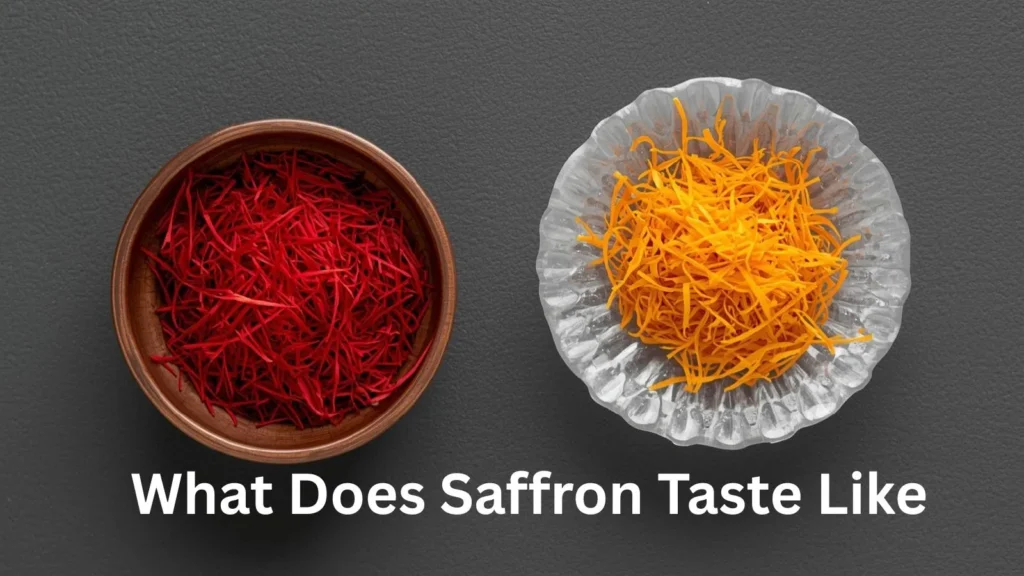

Saffron is one of the most talked-about spices in the world, yet one simple question leaves many people confused: what does saffron taste like?
If you’ve never tried it before, the flavor can be surprisingly hard to imagine. It’s not spicy like chili, not sweet like sugar, and not overpowering like some herbs. Instead, saffron offers a delicate, layered taste that slowly unfolds in food.
Often described as floral, slightly sweet, and gently earthy, saffron adds depth rather than dominance. Its aroma is usually stronger than its actual taste, which is why many first-time users expect a bolder flavor than they experience.
When used correctly, saffron doesn’t shout, it enhances, bringing warmth and richness to both savory and sweet dishes.
Understanding saffron’s taste helps you appreciate why it’s so highly valued and how a few tiny threads can transform an entire recipe.
The Short Answer: What Does Saffron Taste Like?
Saffron has a subtle, complex, and refined taste that’s difficult to compare to any single spice. At its core, saffron tastes mildly sweet, slightly bitter, and gently earthy, with a noticeable floral character. It’s not a bold or aggressive flavor instead, it works quietly in the background, enhancing dishes rather than overpowering them.
Many people describe saffron’s taste as warm and rounded, with hints similar to honey, dried hay, or floral tea. That sweetness isn’t sugary, and the bitterness isn’t sharp; both are soft and balanced. This contrast is what gives saffron its signature depth. The flavor often lingers on the palate, leaving a smooth, aromatic aftertaste rather than an immediate punch.
One important thing to understand is that saffron’s aroma is stronger than its taste. When you smell saffron, the fragrance can seem intense and almost perfumed, which leads many first-time users to expect a powerful flavor. In reality, the taste itself is restrained and elegant. This is why saffron is valued for refinement, not intensity.
In food, saffron doesn’t usually announce itself as a distinct “saffron flavor.” Instead, it makes dishes taste richer, warmer, and more complete. Rice becomes more aromatic, milk-based desserts feel more luxurious, and savory dishes gain a gentle depth that’s hard to identify but easy to miss when it’s gone.
In short, saffron tastes delicate, floral, and slightly sweet with earthy bitterness, a flavor meant to enhance, not dominate.
Saffron’s Complete Flavor Profile (Sensory Breakdown)
To truly understand what saffron tastes like, it helps to break the experience into individual sensory elements. Rather than having one dominant note, saffron delivers a layered flavor profile that unfolds slowly as you eat.
Sweet Notes
Saffron carries a soft, natural sweetness that many people compare to honey or dried grass warmed by the sun. This sweetness is subtle and never sugary. It rounds out dishes and balances savory or creamy ingredients, which is why saffron works so well in rice and milk-based recipes.
Bitter Undertones
Alongside its sweetness, saffron has a gentle bitterness. This bitterness is mild and pleasant when used correctly, adding contrast and depth. However, if too much saffron is used, this bitterness can become sharp or medicinal, which is why precise measurement is important.
Floral and Aromatic Characteristics
One of saffron’s most defining traits is its floral quality. It’s often compared to floral tea or dried blossoms. This aspect is more noticeable in the aroma than on the tongue, but it strongly influences how the flavor is perceived while eating.
Earthy and Hay-Like Elements
Saffron also has an earthy, hay-like taste, similar to dried herbs or warm soil. This grounding note prevents the spice from tasting overly sweet or perfumed, helping it blend seamlessly into both savory and sweet dishes.
Together, these elements create saffron’s unmistakable yet restrained flavor complex, balanced, and refined rather than bold or spicy.
What Does Saffron Smell Like vs Taste Like?
One reason saffron is so often misunderstood is the difference between how it smells and how it actually tastes. While the two are closely connected, they create very different expectations especially for first-time users.
When you smell saffron, the aroma is intense and distinctive. It’s commonly described as floral, honey-like, slightly grassy, and even a little leathery. This fragrance can feel rich and almost perfumed, which leads many people to expect a similarly powerful flavor once they taste it.
The taste, however, is much more subtle and restrained. On the tongue, saffron doesn’t hit with the same intensity as its aroma. Instead of a bold flavor, you experience gentle sweetness, mild bitterness, and a soft earthy warmth. The aroma does most of the work, influencing how your brain interprets the flavor while the taste itself remains delicate.
This contrast happens because saffron’s volatile aromatic compounds are released more strongly through smell than through direct taste. When saffron is heated or steeped, its aroma spreads through the dish, while its flavor blends quietly into the background.
Understanding this difference is key to appreciating saffron properly. If you expect a strong, spicy taste, saffron may seem underwhelming. But when you recognize that its value lies in aroma-driven complexity rather than intensity, its role becomes clear. Saffron is meant to enhance the overall sensory experience of a dish, making it feel richer and more aromatic without ever overpowering other ingredients.
In short, saffron smells bold but tastes refined, an elegant balance that defines its unique appeal.
How Cooking Changes the Taste of Saffron
Saffron’s taste depends heavily on how it’s prepared and cooked. Unlike many spices, saffron should never be judged by its raw flavor alone. The way it’s handled before adding it to a dish can completely change how it tastes.
Raw Saffron Threads
When tasted raw, saffron threads can seem sharp, metallic, or slightly medicinal. This is not an accurate reflection of its true flavor. Chewing raw saffron overwhelms the palate with concentrated compounds that haven’t had a chance to develop properly.
Bloomed or Steeped Saffron
The best way to unlock saffron’s flavor is by blooming it steeping the threads in warm water, milk, or broth. This process releases its color, aroma, and subtle sweetness. Once bloomed, saffron loses its harsh edge and becomes smoother, floral, and gently earthy. This step is essential for achieving the balanced taste saffron is known for.
Cooked in Dishes
When saffron is added to food after blooming, its flavor integrates rather than dominates. Heat helps distribute its aroma evenly, allowing the spice to enhance the entire dish instead of standing out as a single note. In rice, it adds warmth and fragrance; in sauces, it contributes depth; in desserts, it brings a soft floral sweetness.
Cooking also mellows saffron’s bitterness, making it more rounded and pleasant. However, excessive heat or overcooking can dull its aroma, so timing matters.
In short, saffron tastes harsh when raw, refined when bloomed, and harmonious when cooked properly, proving that technique is just as important as quality when working with this delicate spice.
What Does Saffron Taste Like in Common Dishes?
Saffron’s flavor changes subtly depending on the type of dish it’s used in. Rather than tasting the same everywhere, saffron adapts to its surroundings, enhancing different ingredients in different ways.
Saffron Rice Dishes
In rice-based dishes like biryani, paella, or pilaf, saffron adds a warm, aromatic depth. The taste is gentle and well-balanced, with floral notes blending into the starchiness of the rice. You won’t taste saffron as a separate flavor; instead, the rice feels richer and more fragrant, with a soft earthy sweetness.
Milk-Based and Sweet Dishes
Saffron truly shines in milk-based recipes such as kheer, custards, ice cream, or saffron milk. In these dishes, its sweet-floral character becomes more noticeable. The creamy base amplifies saffron’s delicate sweetness and smooths out its bitterness, creating a luxurious, comforting taste.
Savory and Seafood Dishes
In savory recipes like stews, sauces, and seafood dishes, saffron contributes subtle complexity rather than bold flavor. It enhances umami and adds warmth without making the dish taste “spiced.” In seafood, saffron pairs especially well by lifting natural flavors instead of masking them.
Baked Goods and Drinks
In breads, cakes, and teas, saffron adds a light floral note and aromatic finish. The flavor is understated but memorable, especially when paired with honey, nuts, or warm spices.
Across all these dishes, saffron’s role remains consistent: it doesn’t dominate. It quietly elevates food, making flavors feel more rounded, aromatic, and complete.
Why People Describe Saffron’s Taste Differently
Saffron is one of those rare ingredients that people often describe in very different ways. While some call it sweet and floral, others focus on its earthiness or mild bitterness. These differences aren’t contradictions they happen because several factors influence how saffron tastes to each person.
Individual Taste Perception
Everyone’s palate is different. Sensitivity to bitterness, sweetness, and aroma varies from person to person. Someone who is highly sensitive to bitter flavors may notice saffron’s bitter undertones more strongly, while others may focus on its sweetness or floral notes.
Quality and Origin of Saffron
Not all saffron tastes the same. High-quality saffron has a richer aroma and a more balanced flavor, while low-grade or old saffron can taste flat, harsh, or overly bitter. Differences in origin, harvesting methods, and freshness all affect taste.
Amount Used in Cooking
Saffron is extremely concentrated. Using just a few extra threads can shift the flavor from delicate to unpleasantly bitter. Many negative experiences with saffron come from overuse, not the spice itself.
Cooking Method
Whether saffron is bloomed properly or added directly to a dish makes a big difference. Bloomed saffron tastes smoother and more aromatic, while improperly used saffron can seem metallic or weak.
Cultural Food Context
People experience saffron through different cuisines. If you grew up with saffron in sweet milk dishes, you may associate it with sweetness. If you first tried it in savory rice or seafood, you may describe it as earthy or savory.
All these factors shape perception, which is why saffron’s taste can be described in many ways yet still be unmistakably saffron.
What Saffron Does Not Taste Like (Common Myths)
Because saffron is so famous and expensive, many people expect it to taste a certain way before ever trying it. This leads to a few common misconceptions about its flavor. Clearing these up helps set realistic expectations and prevents disappointment.
First, saffron is not spicy. It doesn’t have heat like chili, pepper, or paprika. If a dish tastes hot after adding saffron, the heat is coming from other spices, not the saffron itself.
Second, saffron does not taste strongly bitter when used correctly. While it has mild bitter undertones, they are gentle and balanced. An unpleasantly bitter or medicinal taste usually means too much saffron was used or the quality was poor.
Another myth is that saffron tastes pungent or sharp, similar to garlic or onion. In reality, saffron is smooth and aromatic, not aggressive. Its impact is subtle and spreads through a dish rather than hitting the palate all at once.
Some people also expect saffron to taste like vanilla or sugar because it’s often used in desserts. While saffron has a light natural sweetness, it’s not sugary and doesn’t replace sweeteners.
Finally, saffron is not perfumey when prepared properly. Overuse can make it taste soapy or overwhelming, but in correct amounts, it adds elegance rather than heaviness.
Understanding what saffron does not taste like makes it easier to appreciate what it actually offers a refined, balanced flavor meant to enhance, not dominate.
Is Saffron’s Flavor Strong or Mild?
One of the most common questions people ask is whether saffron has a strong flavor. The simple answer is no saffron’s taste is generally mild, but its overall impact is surprisingly powerful.
On the palate, saffron does not overwhelm. Its sweetness, bitterness, and earthiness are all restrained and balanced. You won’t experience an intense burst of flavor the way you might with cloves, cinnamon, or chili. Instead, saffron works quietly, blending into the dish and enhancing other ingredients.
What makes saffron feel “strong” is its aroma and staying power. Even a small amount can perfume an entire pot of food, and the flavor tends to linger gently after each bite. This lingering quality gives the impression of richness rather than intensity.
Another reason saffron seems strong is its concentration. Because it’s so potent, only a few threads are needed. Using more doesn’t make the dish better, it often makes it worse. Overuse quickly pushes saffron from mild and elegant to bitter and unpleasant.
In well-balanced recipes, saffron acts as a background note. You may not immediately identify it, but you’ll notice when it’s missing. Dishes feel flatter and less aromatic without it.
So while saffron’s flavor itself is mild, its ability to transform food is powerful. It doesn’t dominate through strength it elevates through subtlety, making it one of the most refined spices in the world.
Is Saffron an Acquired Taste?
For most people, saffron is not a challenging or aggressive flavor, which means it usually isn’t considered a classic acquired taste. Many first-time tasters find it pleasant right away especially when it’s used properly and in the right amount.
That said, reactions can vary. Some people immediately enjoy saffron’s gentle sweetness and floral warmth, while others need a bit of time to understand what they’re tasting. Because saffron is subtle, it doesn’t always announce itself clearly. Instead of a bold flavor, it offers nuance, and that can feel confusing if you expect something intense.
Negative first impressions often come from poor preparation or overuse. Too much saffron can make dishes taste bitter, metallic, or medicinal, which understandably turns people off. Low-quality or old saffron can also lack balance, making the flavor seem flat or unpleasant.
Cultural exposure plays a role as well. People who grow up eating saffron in rice, desserts, or festive dishes tend to appreciate it naturally. For others, it becomes more enjoyable once they associate the flavor with comforting or familiar foods.
The best way to develop an appreciation for saffron is to start small. Use just a few bloomed threads in simple dishes like rice, milk, or tea. These gentle preparations allow saffron’s sweetness and aroma to shine without overwhelming the palate.
In most cases, saffron doesn’t need to be “learned” the way bitter foods do it simply needs to be experienced correctly. Once that happens, its appeal usually becomes clear.
Does High-Quality Saffron Taste Different?
Yes, the quality of saffron makes a noticeable difference in taste, aroma, and overall experience. While all real saffron shares the same basic flavor profile, high-quality saffron is far more balanced, aromatic, and pleasant than lower-grade options.
Premium saffron has a rich, complex aroma that’s immediately recognizable. When bloomed, it releases a deep golden color and a smooth, floral fragrance. On the palate, high-quality saffron tastes gently sweet with mild bitterness and earthy warmth, without any harsh or metallic notes. The flavor feels clean and rounded, even when used in very small amounts.
Lower-quality saffron, on the other hand, often tastes flat or unbalanced. It may lean too bitter, lack aroma, or fail to release much color. This usually happens when saffron is old, improperly stored, or mixed with yellow or white parts of the crocus flower, which dilute the flavor.
Artificial or fake saffron products are even more noticeable. These substitutes may add color but offer little to no authentic flavor. Some can even taste chemical or soapy, which leads people to believe they dislike saffron when they’ve never actually tasted the real thing.
Freshness also plays a major role. Even high-grade saffron loses aroma and complexity over time if exposed to light, heat, or air. Properly stored saffron retains its delicate flavor far longer.
In short, high-quality saffron doesn’t taste stronger, it tastes clearer, smoother, and more refined. That difference is why a small amount of good saffron is always better than using more of a lower-grade product.
How Much Saffron Should You Use for the Best Taste?
When it comes to saffron, less is always more. One of the biggest mistakes beginners make is using too much, expecting a stronger or better flavor. In reality, excess saffron quickly turns a dish bitter and overpowering.
For most recipes serving 4 to 6 people, just 8–15 saffron threads are enough. This small amount may look insignificant, but saffron is highly concentrated. Once bloomed, those few threads release enough aroma and flavor to affect an entire dish.
The safest method is to bloom saffron first. Steep the threads in warm water, milk, or broth for 10–15 minutes, then add both the liquid and threads to your recipe. This ensures even distribution and prevents harsh flavor pockets. Adding dry threads directly to food often leads to uneven taste and wasted saffron.
Different dishes may need slightly different amounts. Rice dishes usually require a few extra threads to spread flavor evenly, while milk-based desserts need less because dairy amplifies saffron’s sweetness. For drinks like tea or saffron milk, just 2–4 threads per cup are enough.
If you’re unsure, start with fewer threads you can always add more next time. Saffron’s flavor can’t be fixed once it’s too strong.
Used correctly, saffron delivers elegance and depth without bitterness. Mastering the right amount is key to enjoying its true taste and understanding why such a tiny spice has such a big reputation.
Is Saffron Worth the Price for Its Taste?
Saffron’s high price often makes people wonder whether its flavor truly justifies the cost. From a purely taste-based perspective, saffron isn’t about boldness or intensity it’s about refinement, balance, and atmosphere in a dish.
If you’re expecting a dramatic, spicy kick, saffron may not feel worth it. Its flavor is subtle, and its true value lies in how it enhances other ingredients rather than standing out on its own. Dishes made with saffron often taste more aromatic, warmer, and more complete, even if you can’t immediately identify why.
One important factor is how little you actually need. A small amount of good-quality saffron can last for months and flavor dozens of meals. When you consider cost per use rather than cost per gram, saffron becomes more reasonable than it first appears.
Saffron also offers more than just taste. Its aroma and golden color contribute significantly to the overall sensory experience of food. This combination is difficult to replicate with substitutes, which may add color but lack depth and fragrance.
For people who enjoy cooking and appreciate subtle flavors, saffron is often worth the investment. For others who prefer bold or spicy tastes, it may feel unnecessary.
In the end, saffron’s value depends on what you’re looking for. If you appreciate elegance, aroma, and nuance in food, saffron delivers something unique that few other spices can offer making its price easier to understand.
Final Verdict:
So, what does saffron taste like in the end? The best way to describe it is subtle, complex, and quietly luxurious. Saffron doesn’t overwhelm the palate or demand attention. Instead, it works behind the scenes, adding layers of flavor that make food taste warmer, richer, and more aromatic.
When used correctly, saffron delivers a gentle balance of mild sweetness, soft bitterness, floral notes, and earthy warmth. Its aroma plays a major role in how the flavor is perceived, often making dishes feel more indulgent even though the taste itself remains delicate. This is why saffron is often noticed more by its absence than its presence.
For first-time tasters, it’s important to set the right expectations. Saffron won’t taste spicy, sugary, or bold. Its appeal lies in refinement and nuance. A few properly bloomed threads are enough to transform rice, milk-based desserts, seafood, and even simple drinks into something special.
Quality and quantity matter just as much as preparation. High-quality saffron used sparingly and bloomed properly delivers the best results, while overuse or poor-quality saffron can lead to bitterness and disappointment.
Ultimately, saffron is worth experiencing at least once. When you understand its gentle nature and use it thoughtfully, its flavor becomes clear and so does the reason it has been treasured for centuries.
FAQs
To wrap things up, here are clear answers to some of the most frequently asked questions people have about saffron’s flavor. These address common doubts and help reinforce what to expect when tasting it.
Does saffron taste sweet or bitter?
Saffron tastes both mildly sweet and gently bitter, but neither note is strong. The sweetness is soft and natural, while the bitterness adds balance. When used correctly, these elements work together rather than competing.
Why does saffron sometimes taste metallic?
A metallic or medicinal taste usually comes from overusing saffron, tasting it raw, or using low-quality or old threads. Proper blooming and correct amounts eliminate this issue.
Can you taste saffron immediately in food?
Not always. Saffron’s flavor is subtle and layered, so you may notice the aroma first. Its taste builds gradually and lingers rather than hitting instantly.
Does saffron taste the same in every dish?
No. Saffron adapts to its environment. It tastes more floral and sweet in milk-based dishes, warmer and earthier in rice, and more savory in seafood or stews.
What happens if you use too much saffron?
Too much saffron makes food taste bitter, harsh, or medicinal. This is the most common reason people think they dislike saffron.
Is saffron flavor strong compared to other spices?
Compared to spices like clove, cinnamon, or chili, saffron’s flavor is mild, but its aroma and overall impact are powerful.