
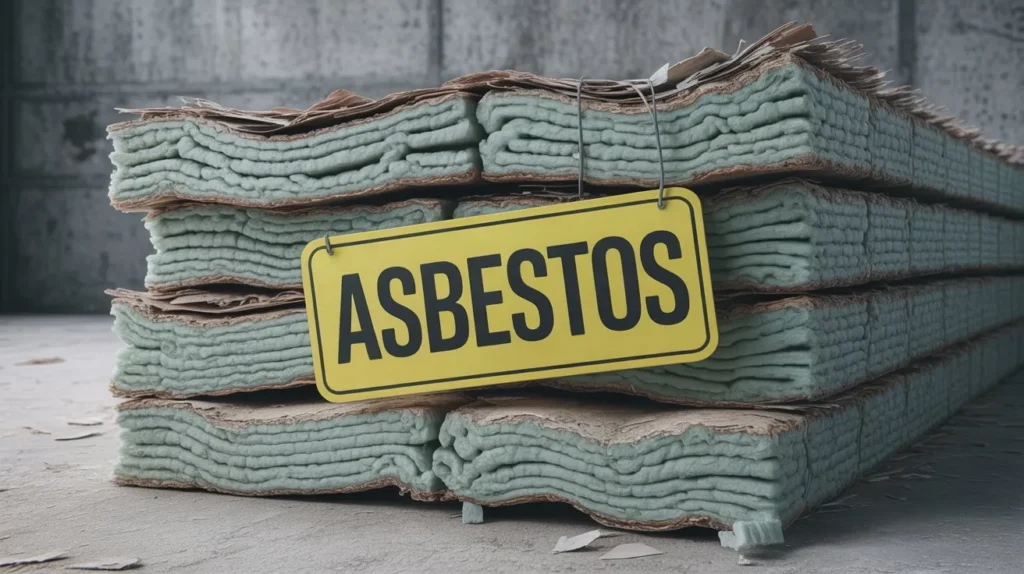
Asbestos insulation was once widely used in homes and buildings because of its strength, heat resistance, and fireproofing qualities. Today, it’s best known for the serious health risks it poses when disturbed.
One of the biggest challenges homeowners and renovators face is identifying asbestos insulation before it becomes a problem. Many people assume asbestos has a distinct look, but in reality, it can closely resemble common, non-hazardous insulation materials used today.
Understanding what asbestos insulation looks like is important, especially if you live in or are renovating a building constructed before the 1980s.
Asbestos insulation was used in many forms around pipes, inside walls, in attics, and near boilers often blending in with its surroundings.
This article will walk you through the most common appearances of asbestos insulation, where it’s typically found, and the warning signs to watch for.
While visual clues can help raise suspicion, only professional testing can confirm whether asbestos is present.
What Is Asbestos Insulation?
Asbestos insulation refers to a group of insulation materials that contain asbestos fibers, a naturally occurring mineral once prized for its heat resistance, strength, and insulating properties. For much of the 20th century, asbestos was considered a “miracle material” and was commonly added to insulation products used in residential, commercial, and industrial buildings. Its ability to resist fire and high temperatures made it especially popular around heating systems, boilers, pipes, and electrical components.
Rather than being a single product, asbestos insulation came in many forms. Asbestos fibers were often mixed with cement, plaster, paper, cloth, or loose granular materials to create insulation that could be wrapped, sprayed, poured, or molded into rigid shapes. Because of this, asbestos insulation does not have one uniform appearance. It may look fluffy, hard, chalky, fibrous, or even shiny depending on the product and application.
Asbestos insulation was most commonly installed from the early 1900s through the late 1970s, before the health risks became widely recognized and regulations limited its use. While asbestos is not dangerous when left undisturbed, the fibers can become airborne if the material is damaged, cut, drilled, or deteriorates over time. Inhalation of these microscopic fibers is linked to serious illnesses such as asbestosis, lung cancer, and mesothelioma.
Because asbestos insulation was designed to last for decades, it may still be present in many older buildings today. Understanding what asbestos insulation is and why it was used so extensively provides important context for recognizing where it may be found and why caution is essential when dealing with suspicious insulation materials.
Why Asbestos Insulation Can Be Hard to Identify Visually
One of the most dangerous aspects of asbestos insulation is how difficult it can be to identify by appearance alone. Many people expect asbestos to have a clear, recognizable look, but in reality, it was blended into a wide variety of insulation products. As a result, asbestos insulation often looks very similar to modern, non-asbestos materials, making visual identification unreliable and risky.
Asbestos fibers were commonly mixed with cement, plaster, paper, or other binding agents, which significantly altered their appearance. Depending on the product, asbestos insulation may appear fluffy and loose, hard and solid, chalky, fibrous, or even smooth. Over time, age, moisture, and wear can further change how the material looks, causing it to crack, crumble, or discolor. These changes can make older asbestos insulation resemble harmless dust, dirt, or deteriorated fiberglass.
Color is another misleading factor. Asbestos insulation does not have a single color and may appear white, gray, brown, blue, or off-white. Relying on color alone can easily lead to false assumptions. Additionally, asbestos was frequently concealed behind walls, ceilings, or protective wraps, meaning the visible surface may not accurately represent what lies beneath.
Another challenge is that many non-asbestos insulation products used today were intentionally designed to mimic the performance and appearance of asbestos-based materials. Fiberglass, mineral wool, and cellulose insulation can all look similar to asbestos in certain applications. Because of these overlaps, even experienced professionals avoid making definitive judgments based on sight alone.
For these reasons, visual clues should only be treated as warning signs not confirmation. When insulation materials raise suspicion, professional testing is the only safe and reliable way to determine whether asbestos is present.
Common Types of Asbestos Insulation and Their Appearance
Asbestos insulation was manufactured in several different forms, each designed for specific uses and environments. Understanding these common types and how they typically appear can help identify materials that may warrant further investigation. However, because appearances can vary due to age and condition, these descriptions should be treated as general guidance rather than definitive identification.
One of the most recognizable forms is asbestos pipe insulation. This type often appears as a white, gray, or off-white material wrapped around pipes, boilers, or ducts. It may have a corrugated, cardboard-like texture or look like a thick plaster coating. In some cases, it is covered with cloth or paper wrapping that can fray or peel over time.
Loose-fill asbestos insulation was poured or blown into attics and wall cavities. It may look fluffy, granular, or pebble-like and is typically gray, white, or brown. Because it is not tightly bound, this type is especially hazardous when disturbed.
Vermiculite insulation is another common material associated with asbestos. It consists of lightweight, shiny flakes that resemble mica or small pebbles and often have a gold, silver, or brown color. While not all vermiculite contains asbestos, many older products are contaminated and should be treated as suspect.
Block, cement, or board insulation is dense and rigid, often gray or off-white. These materials were used around furnaces, boilers, and fireproof walls. Spray-applied asbestos insulation, commonly found in older commercial buildings, has a rough, uneven, or popcorn-like texture and was used for fireproofing and sound control.
Recognizing these common forms can help raise awareness, but laboratory testing remains essential for confirmation.
Where Asbestos Insulation Is Commonly Found
Asbestos insulation was used extensively in both residential and commercial buildings, particularly those constructed before the 1980s. Because it was valued for its heat resistance and durability, it was typically installed in areas exposed to high temperatures or where fire protection was a priority. Knowing where asbestos insulation is most commonly found can help homeowners and property managers identify potential risk areas.
In residential homes, asbestos insulation is often located in attics, where loose-fill or vermiculite insulation was used to improve energy efficiency. Basements and crawl spaces are another common location, especially around exposed pipes, boilers, and furnaces. Older homes may also contain asbestos insulation inside wall cavities, making it completely hidden from view unless walls are opened during renovations. Around HVAC systems and ductwork, asbestos insulation was frequently used to prevent heat loss and reduce fire hazards.
In commercial and industrial buildings, asbestos insulation was even more widespread. Schools, hospitals, factories, and office buildings commonly used spray-applied asbestos insulation on ceilings, beams, and structural steel for fireproofing and sound control. Mechanical rooms, electrical closets, and boiler rooms are particularly high-risk areas due to the heavy use of insulation materials.
Certain areas should always be considered high priority for inspection. These include older heating systems, pipe chases, utility rooms, and areas where insulation appears damaged or deteriorating. Buildings constructed or renovated before asbestos regulations were introduced are especially likely to contain asbestos insulation.
Because asbestos insulation is often hidden or mistaken for safer materials, its presence can go unnoticed for decades. Awareness of these common locations is a critical step in avoiding accidental disturbance and ensuring proper testing and safety measures are taken.
Asbestos Insulation vs. Modern Insulation Materials
Distinguishing asbestos insulation from modern insulation materials can be challenging, as many newer products were designed to replicate the performance of asbestos without the health risks. However, understanding the general differences between asbestos insulation and common modern alternatives can help identify materials that may require closer inspection.
Fiberglass insulation is one of the most widely used modern materials and is often mistaken for asbestos. It typically appears pink, yellow, or white and has a soft, fluffy texture composed of long, visible fibers. Unlike asbestos, fiberglass fibers are usually uniform and springy, and modern products are often clearly labeled. Asbestos insulation, by contrast, tends to look more brittle, chalky, or powdery when disturbed.
Cellulose insulation, made from recycled paper products, usually has a gray or off-white appearance and a dense, shredded texture. While it can resemble loose-fill asbestos insulation at a glance, cellulose fibers are larger and less friable. Cellulose is also commonly treated with fire retardants and installed in buildings constructed after asbestos use declined.
Mineral wool (rock wool or slag wool) is another non-asbestos alternative. It is typically brown, gray, or greenish and has a coarse, fibrous texture. Mineral wool fibers are thicker and more rigid than asbestos fibers, making them less likely to become airborne under normal conditions.
One key difference is age and installation context. Modern insulation materials are usually found in newer buildings or recent renovations and often include backing materials, labels, or standardized installation methods. Asbestos insulation is more common in older structures and may show signs of deterioration such as cracking, flaking, or crumbling.
Despite these differences, visual comparison alone is not enough to rule out asbestos. When insulation materials look suspicious or are located in high-risk areas, professional testing is always the safest and most reliable option.
Signs That Insulation May Contain Asbestos
While asbestos insulation cannot be confirmed by sight alone, certain warning signs can indicate a higher likelihood that insulation materials may contain asbestos. Recognizing these signs can help you decide when to proceed with caution and seek professional testing before disturbing the material.
One of the strongest indicators is the age of the building. Homes and buildings constructed or renovated before the 1980s are more likely to contain asbestos insulation, particularly if original insulation materials are still present. If no records exist showing asbestos removal or replacement, the risk increases.
The condition of the insulation can also be a red flag. Asbestos insulation often becomes brittle, crumbly, or dusty as it ages. Materials that easily break apart, flake, or release fine dust when touched or disturbed should be treated as suspect. This is especially concerning because damaged asbestos insulation can release airborne fibers.
Location is another important clue. Insulation found around heat-producing components such as boilers, furnaces, pipes, and ductwork has a higher chance of containing asbestos. Cloth-wrapped, plaster-coated, or cement-like insulation in these areas is particularly suspect.
The lack of labeling or modern backing materials can also be telling. Older asbestos insulation products typically do not have manufacturer labels or safety markings, unlike many modern insulation materials. Additionally, insulation hidden behind walls, above ceilings, or in crawl spaces may have remained untouched since original construction.
Unusual textures or appearances, such as chalky coatings, corrugated wraps, shiny vermiculite flakes, or spray-applied finishes with a rough, popcorn-like texture, can further raise suspicion.
If any of these signs are present, it is important not to disturb the insulation. Instead, consult a licensed asbestos professional to arrange proper testing and ensure the safety of occupants and workers.
Can You Identify Asbestos Insulation by Sight Alone?
Many homeowners hope that they can identify asbestos insulation simply by looking at it, but this is one of the most common and dangerous misconceptions. While certain materials may raise suspicion, asbestos insulation cannot be reliably identified by sight alone. There is no single color, texture, or form that definitively confirms the presence of asbestos.
Asbestos fibers are microscopic and were mixed into a wide range of products, meaning the visible surface often reflects the binding material rather than the asbestos itself. Two insulation materials can look nearly identical, even though one contains asbestos and the other does not. Aging, moisture damage, and previous repairs can further alter appearance, making visual identification even more unreliable.
Another risk of relying on sight alone is misidentification. Some non-asbestos materials, such as fiberglass, mineral wool, or cellulose, can appear suspicious to an untrained eye, leading to unnecessary alarm. Conversely, asbestos-containing insulation may appear stable and harmless, encouraging people to disturb it without realizing the danger.
Professional asbestos inspectors do not rely on visual assessments alone. Instead, they use visual clues only to determine whether sampling is necessary. Confirmation requires collecting a small sample under controlled conditions and sending it to an accredited laboratory for analysis. This testing process identifies asbestos fibers using specialized techniques that cannot be replicated through observation.
Because of the health risks associated with asbestos exposure, assuming insulation is safe based on appearance alone can have serious consequences. If insulation materials raise any concern especially in older buildings the safest approach is to treat them as potentially hazardous until proven otherwise. Professional testing is the only way to confidently determine whether asbestos insulation is present and to decide on appropriate next steps.
What to Do If You Suspect Asbestos Insulation
If you suspect that insulation in your home or building may contain asbestos, taking the right steps immediately is critical for protecting your health. The most important rule is to avoid disturbing the material. Do not touch, cut, drill, sand, or attempt to remove the insulation, as these actions can release dangerous asbestos fibers into the air.
Start by restricting access to the affected area if possible. Keep people and pets away, and avoid activities that could create dust, such as sweeping or vacuuming. Standard household vacuums are not designed to capture asbestos fibers and can actually spread contamination further.
The next step is to arrange professional asbestos testing. A licensed asbestos inspector can safely collect samples using proper protective equipment and containment methods. These samples are then analyzed by an accredited laboratory to determine whether asbestos fibers are present and in what concentration. This testing is the only reliable way to confirm asbestos insulation.
If asbestos is confirmed, a qualified professional will advise on the safest course of action. In some cases, encapsulation sealing the insulation to prevent fiber release may be sufficient if the material is in good condition and unlikely to be disturbed. In other situations, professional removal may be necessary, especially if the insulation is damaged or located in an area scheduled for renovation.
It is important to understand that DIY asbestos removal is extremely dangerous and often illegal. Regulations vary by location, but many require licensed contractors to handle asbestos abatement. Acting cautiously and following professional guidance helps minimize health risks and ensures compliance with safety regulations.
Removal vs. Encapsulation: Understanding Your Options
Once asbestos insulation has been confirmed through professional testing, the next step is determining how it should be managed. In most cases, this decision comes down to removal or encapsulation, and the best option depends on the condition of the material, its location, and the likelihood of future disturbance.
Asbestos removal involves completely eliminating the asbestos-containing material from the building. This option is often recommended when insulation is damaged, deteriorating, or located in an area where renovations or repairs are planned. Professional removal is performed by licensed asbestos abatement contractors who use specialized equipment, containment barriers, and air filtration systems to prevent fiber release. While removal provides a permanent solution, it is also more expensive and disruptive, as affected areas may need to be sealed off during the process.
Encapsulation, on the other hand, involves sealing the asbestos insulation in place using a protective coating or enclosure. This method prevents fibers from becoming airborne and is commonly used when the insulation is in good condition and unlikely to be disturbed. Encapsulation can be a cost-effective and less invasive solution, but it requires ongoing monitoring to ensure the seal remains intact over time.
Both approaches have legal and safety considerations. Local regulations may require notification, permits, or inspections before work begins. In some cases, removal may be mandatory, particularly in commercial buildings or during major renovations.
Choosing between removal and encapsulation should always be guided by a qualified asbestos professional. A thorough assessment helps ensure that the selected approach effectively reduces health risks while complying with safety regulations and preserving the integrity of the building.
Health Risks Associated With Asbestos Insulation
Asbestos insulation poses serious health risks when its fibers become airborne and are inhaled. While asbestos-containing materials are generally considered low risk when left undisturbed, damage, deterioration, or improper handling can release microscopic fibers that remain suspended in the air for long periods. Once inhaled, these fibers can lodge deep in the lungs and are extremely difficult for the body to expel.
Long-term exposure to asbestos fibers is linked to several severe and often fatal diseases. Asbestosis is a chronic lung condition caused by scarring of lung tissue, leading to breathing difficulties and reduced lung function. Lung cancer is another well-documented risk, particularly among individuals with prolonged or repeated exposure. One of the most serious diseases associated with asbestos is mesothelioma, a rare and aggressive cancer that affects the lining of the lungs, abdomen, or heart. Mesothelioma is almost exclusively linked to asbestos exposure.
A major concern with asbestos insulation is that symptoms of asbestos-related diseases often take decades to appear. This long latency period means people may be unaware of exposure until serious illness develops. Even short-term or low-level exposure can be dangerous, especially if fibers are repeatedly inhaled over time.
Asbestos insulation is considered especially hazardous because it is often friable, meaning it can easily crumble and release fibers when disturbed. Activities such as renovations, repairs, or even natural aging of materials can increase exposure risk.
Because there is no safe level of asbestos exposure, identifying and properly managing asbestos insulation is critical. Professional testing, controlled handling, and compliance with safety regulations are essential steps in reducing the long-term health risks associated with asbestos-containing insulation materials.
Final Thoughts:
Identifying asbestos insulation is not always straightforward, but caution is essential when dealing with insulation materials in older buildings. Asbestos was used in many forms and locations, often blending in with materials that appear harmless at first glance. Because there is no reliable way to confirm asbestos by sight alone, making assumptions based on appearance can lead to serious health risks.
If your home or building was constructed or renovated before the 1980s, it is wise to treat unknown insulation materials as potentially hazardous. This does not mean immediate removal is always necessary, but it does mean avoiding disturbance and seeking professional guidance. Leaving asbestos insulation undisturbed and properly managed can significantly reduce the risk of fiber release, while improper handling can create long-term exposure hazards.
Professional asbestos testing is the only way to know for certain whether insulation contains asbestos. Licensed inspectors and abatement professionals have the training and equipment required to assess materials safely and recommend appropriate solutions. Whether the outcome involves monitoring, encapsulation, or removal, expert advice ensures that decisions are based on safety, legality, and the specific conditions of the building.
Ultimately, the goal is not to create fear, but awareness. Understanding what asbestos insulation looks like, where it is commonly found, and why it is dangerous empowers homeowners, buyers, and renovators to make informed choices. When uncertainty exists, prioritizing health and safety is always the best approach. Acting carefully today can prevent serious health consequences in the future and provide peace of mind for everyone who lives or works in the building.
Frequently Asked Questions:
What color is asbestos insulation?
Asbestos insulation does not have a single, identifiable color. It may appear white, gray, brown, blue, or off-white depending on the product and how it was manufactured. Color alone is not a reliable indicator of whether insulation contains asbestos.
Does all vermiculite insulation contain asbestos?
Not all vermiculite insulation contains asbestos, but a significant amount of older vermiculite, especially products installed before the 1990s, was contaminated. Because it is impossible to tell visually whether vermiculite contains asbestos, it should always be treated as suspect until tested.
Is asbestos insulation dangerous if it’s left alone?
Asbestos insulation is generally considered low risk if it remains undisturbed and in good condition. Problems arise when the material is damaged, deteriorating, or disturbed during repairs or renovations, allowing fibers to become airborne.
Can I live in a house with asbestos insulation?
Yes, many people live in homes with asbestos insulation without immediate risk. The key is proper management. Regular monitoring, avoiding disturbance, and following professional recommendations can help keep exposure risks low.
How can asbestos insulation be tested?
Testing involves collecting a small sample of the insulation and sending it to an accredited laboratory for analysis. Because improper sampling can release fibers, testing should always be performed by a licensed asbestos professional.
How much does asbestos testing cost?
Costs vary depending on location and the number of samples needed, but testing is generally far less expensive than improper handling or cleanup after contamination. It is a worthwhile investment in health and safety.