
If you’ve ever picked up a sunscreen bottle, you’ve likely noticed a number followed by the letters SPF. While it’s one of the most common terms in skincare, many people still aren’t sure what SPF actually stands for or how it protects their skin.
Understanding SPF is more than just knowing which number to choose; it plays a key role in preventing sunburn, premature aging, and long-term skin damage.
SPF appears not only on sunscreens, but also on moisturizers, makeup, and other skincare products, making it an important part of daily routines.
However, misconceptions about SPF such as believing higher numbers provide all-day protection often lead to improper use.
In this article, we’ll break down exactly what SPF stands for, how it works, what SPF numbers really mean, and how to choose the right level of sun protection for your skin. By the end, you’ll have a clear, practical understanding of SPF and how to use it effectively.
What Does SPF Stand For?
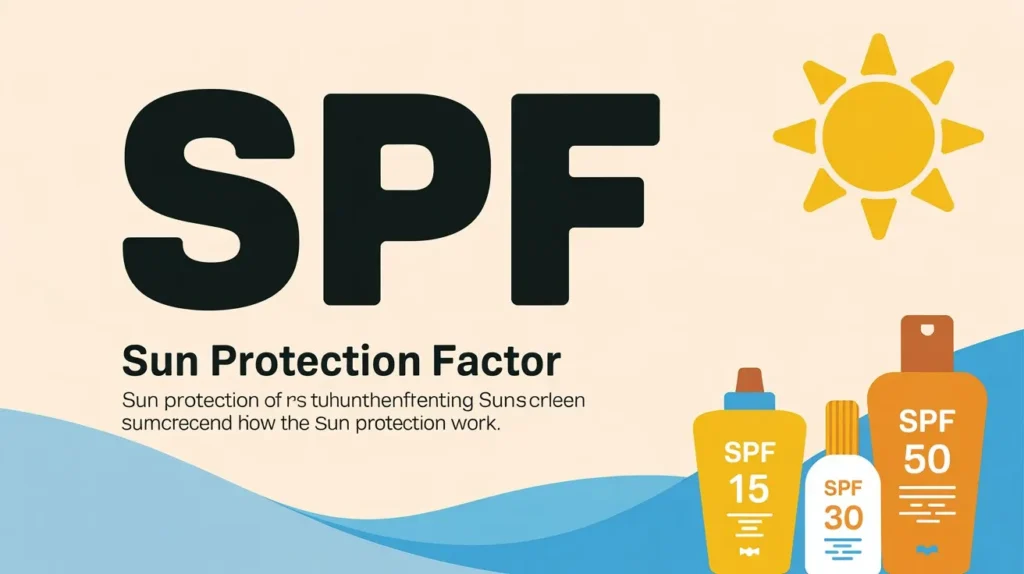
SPF stands for Sun Protection Factor. It is a scientific measurement used to indicate how well a sunscreen can protect your skin from the sun’s UVB (ultraviolet B) rays, which are the primary cause of sunburn and play a significant role in the development of skin cancer. In simple terms, SPF tells you how much longer your skin can be exposed to sunlight without burning when wearing sunscreen compared to unprotected skin.
For example, if your skin would normally begin to burn after 10 minutes in the sun, an SPF 30 sunscreen theoretically allows you to stay in the sun 30 times longer before burning assuming it’s applied correctly and evenly. This does not mean you can stay in the sun all day without risk, but rather that your skin is receiving increased protection against UVB damage.
The concept of SPF was developed to help consumers compare sunscreen effectiveness more easily. Today, SPF labeling is regulated by health authorities in many countries, such as the U.S. Food and Drug Administration (FDA), to ensure standardized testing and accurate claims. However, it’s important to note that SPF only measures protection against UVB rays, not UVA rays, which penetrate deeper into the skin and contribute to premature aging and long-term skin damage.
Because of this limitation, SPF should always be considered alongside other labels, such as “broad spectrum,” which indicates protection against both UVA and UVB rays. Understanding what SPF truly stands for helps you make smarter choices about sun protection and use sunscreen more effectively as part of your daily skincare routine.
What SPF Measures (And What It Doesn’t)
To fully understand SPF, it’s important to know what it actually measures and where its limitations lie. SPF is designed specifically to measure protection against UVB rays, the type of ultraviolet radiation responsible for sunburn. UVB rays affect the outer layers of the skin and are strongest during peak daylight hours, which is why SPF is closely associated with burn prevention.
During SPF testing, sunscreen is applied in a controlled amount and the time it takes for skin to redden is measured compared to unprotected skin. The resulting number reflects how effectively the product reduces UVB exposure under ideal conditions. However, real-world factors such as sweating, swimming, friction from clothing, and applying too little sunscreen can significantly reduce the actual level of protection.
What SPF does not measure is just as important. SPF alone does not indicate protection against UVA rays, which penetrate deeper into the skin and are a major cause of premature aging, wrinkles, and long-term DNA damage. UVA rays are present year-round and can pass through clouds and glass, making them a constant concern.
Additionally, SPF does not measure protection against blue light, infrared radiation, or environmental damage. It also does not mean complete or total sun protection no sunscreen can block 100 percent of UV rays. This is why terms like “sunblock” are misleading.
To ensure well-rounded protection, SPF should always be paired with a broad spectrum label, regular reapplication, and additional sun-safe habits such as wearing protective clothing and seeking shade.
How SPF Numbers Work
SPF numbers are designed to help compare how much protection a sunscreen offers against UVB rays, but they are often misunderstood. The number following SPF indicates the level of UVB protection provided when the sunscreen is applied correctly and in the recommended amount. As the SPF value increases, the level of protection also increases but not as dramatically as many people assume.
For example, SPF 15 blocks about 93% of UVB rays, SPF 30 blocks roughly 97%, and SPF 50 blocks approximately 98%. No sunscreen, regardless of how high the SPF number is, can block 100 percent of UVB rays. This means that the difference between SPF 30 and SPF 50 is real, but relatively small in terms of added protection.
A common misconception is that SPF directly translates into time spent in the sun. While SPF is often explained as allowing you to stay in the sun longer without burning, this does not account for real-life conditions. Factors such as sweating, swimming, towel drying, and even natural skin oils can reduce sunscreen effectiveness. This is why reapplication every two hours is recommended, regardless of SPF level.
Higher SPF sunscreens can be beneficial for people with very fair skin, a history of skin cancer, or prolonged sun exposure. However, using a high SPF does not eliminate the need for proper application, broad spectrum protection, or additional sun safety measures. Understanding how SPF numbers truly work helps set realistic expectations and encourages healthier sun habits.
How Much Sunscreen You Actually Need
One of the most common reasons sunscreen fails to provide its labeled SPF protection is underapplication. Most people apply far less sunscreen than is needed, which significantly reduces its effectiveness. SPF testing is based on applying sunscreen at a thickness of 2 milligrams per square centimeter of skin, an amount rarely used in everyday situations.
To make this more practical, dermatologists often recommend the two-finger method for the face and neck squeezing two full lines of sunscreen along the length of your index and middle fingers. For the entire body, the general guideline is about one ounce, or a shot-glass–sized amount, to cover all exposed skin. Applying less than this can cut the actual SPF protection in half or more.
It’s also important to apply sunscreen evenly and thoroughly. Commonly missed areas include the ears, hairline, eyelids, lips, back of the neck, tops of the feet, and hands. Sunscreen should be applied at least 15 minutes before sun exposure to allow it to properly bind to the skin, especially for chemical sunscreens.
Reapplication is just as important as initial application. Sunscreen should be reapplied every two hours, and immediately after swimming, sweating, or towel drying even if the product is labeled water-resistant. Using enough sunscreen and reapplying it correctly ensures that you receive the full SPF protection indicated on the label and significantly reduces your risk of sunburn and long-term skin damage.
Chemical vs. Mineral Sunscreens
Sunscreens are generally divided into two categories: chemical and mineral (physical) sunscreens. Both types can provide effective SPF protection, but they work in different ways and suit different skin types and preferences.
Chemical sunscreens absorb UV radiation and convert it into heat, which is then released from the skin. Common chemical sunscreen ingredients include avobenzone, octinoxate, octocrylene, and homosalate. These formulas tend to feel lighter on the skin, absorb quickly, and are easier to layer under makeup. However, some people with sensitive skin may experience irritation, and chemical sunscreens usually need about 15 minutes after application to become fully effective.
Mineral sunscreens, on the other hand, sit on the surface of the skin and reflect UV rays away from the body. The primary active ingredients are zinc oxide and titanium dioxide. Mineral sunscreens provide protection immediately after application and are often recommended for sensitive skin, children, and those with rosacea or acne-prone skin. The downside is that they can sometimes feel thicker or leave a visible white cast, especially on deeper skin tones.
In terms of SPF effectiveness, both chemical and mineral sunscreens can offer high levels of protection when formulated correctly and applied properly. The choice between them depends on factors such as skin sensitivity, cosmetic preference, lifestyle, and environmental considerations. Regardless of the type you choose, ensuring the product is labeled broad spectrum and using it consistently is far more important than whether it is chemical or mineral.
Broad Spectrum SPF: Why It Matters
While SPF is an important indicator of sun protection, it does not tell the whole story on its own. This is where broad spectrum sunscreen becomes essential. A broad spectrum sunscreen is formulated to protect against both UVB and UVA rays, offering more complete defense against sun-related skin damage.
As mentioned earlier, SPF measures protection against UVB rays, which are responsible for sunburn. UVA rays, however, penetrate deeper into the skin and contribute to premature aging, wrinkles, sun spots, and long-term DNA damage that can lead to skin cancer. Unlike UVB rays, UVA rays are present at relatively consistent levels throughout the day and year, and they can pass through clouds and window glass. This makes daily UVA protection just as important as UVB protection.
Without broad spectrum coverage, a sunscreen may prevent sunburn while still allowing significant UVA damage to occur beneath the surface of the skin. This can create a false sense of security, especially during prolonged sun exposure. To address this, many health authorities require sunscreens labeled as “broad spectrum” to meet specific testing standards for both types of UV radiation.
When choosing a sunscreen, always look for broad spectrum SPF 30 or higher for everyday use. This ensures you’re protecting your skin not only from immediate sunburn but also from long-term damage that affects skin health and appearance. Broad spectrum protection, combined with proper application and reapplication, is a key component of effective sun safety.
Choosing the Right SPF for Your Needs
Selecting the right SPF depends on your skin type, lifestyle, and how much time you spend in the sun. For most people, dermatologists recommend using a broad spectrum SPF 30 or higher for daily protection. SPF 30 provides strong UVB protection while remaining comfortable enough for everyday wear on the face and body.
For daily activities, such as commuting, running errands, or working near windows, SPF 30 is generally sufficient when applied properly and reapplied as needed. Many moisturizers and makeup products include SPF, but these should ideally be layered over a dedicated sunscreen to ensure adequate coverage.
If you plan to spend extended time outdoors such as at the beach, pool, hiking, or playing sports SPF 50 or higher may be a better option. Higher SPF sunscreens offer slightly increased protection and are useful when sun exposure is intense or prolonged. Water-resistant formulas are especially important for swimming or sweating, though reapplication is still required.
Skin type also plays a role. People with fair skin, a history of sunburns, or a personal or family history of skin cancer may benefit from higher SPF levels. Those with darker skin tones still need sunscreen, as UV damage can occur without visible burning. For sensitive or acne-prone skin, mineral sunscreens or fragrance-free formulas may be more suitable.
Ultimately, the best SPF is the one you will use consistently and correctly. Regular application, proper coverage, and reapplication are far more important than choosing the highest SPF number available.
SPF in Makeup and Skincare Products
SPF is no longer limited to traditional sunscreen lotions. Today, many makeup and skincare products, including moisturizers, foundations, BB creams, and powders, contain SPF. While this added protection is beneficial, it’s important to understand its limitations and how it fits into an effective sun protection routine.
Most makeup products with SPF are formulated to provide light, everyday protection, but they are often applied in much smaller amounts than sunscreen. For example, the amount of foundation or BB cream typically used is far less than what’s required to achieve the SPF level listed on the label. As a result, relying solely on makeup with SPF may leave your skin underprotected, especially during prolonged sun exposure.
A better approach is to apply a dedicated broad spectrum sunscreen as the first step in your morning routine, followed by skincare and makeup products that also contain SPF. This layering method helps reinforce protection without compromising coverage or cosmetic appearance. Powder sunscreens and SPF sprays can be useful for touch-ups throughout the day, particularly for reapplication over makeup.
Moisturizers with SPF can be effective for daily use if applied generously, but they should still meet the recommended SPF 30 threshold. Keep in mind that SPF in makeup does not usually offer strong UVA protection unless clearly labeled as broad spectrum.
While SPF-infused products are a helpful addition, they should be viewed as a supplement not a replacement for proper sunscreen use. Consistent, full-coverage protection remains essential for maintaining healthy skin.
How Often Should You Reapply SPF?
Reapplying sunscreen is just as important as choosing the right SPF. Even the best sunscreen loses effectiveness over time due to factors like sun exposure, sweating, swimming, and natural skin oils. Regardless of the SPF number, sunscreen should generally be reapplied every two hours when you are outdoors.
If you are swimming, sweating heavily, or towel drying, sunscreen should be reapplied immediately afterward even if the product is labeled water-resistant. Water-resistant sunscreens are tested to maintain their SPF for 40 or 80 minutes in water, but they do not last indefinitely. Once that time has passed, protection decreases significantly.
Many people assume that higher SPF means they can reapply less often, but this is a common misconception. SPF 50 does not last longer than SPF 30 it simply filters slightly more UVB rays. Without reapplication, any SPF level becomes less effective as it breaks down on the skin.
Reapplication can be challenging, especially when wearing makeup. In these cases, SPF powders, sprays, or cushions can help maintain protection throughout the day, though they should not replace a full morning application of sunscreen. For the lips, use a lip balm with SPF and reapply frequently.
Indoors, reapplication may still be necessary if you sit near windows, as UVA rays can penetrate glass. By reapplying sunscreen consistently and correctly, you ensure that your skin remains protected from both short-term sunburn and long-term sun damage.
Common SPF Myths and Misconceptions
Despite widespread awareness of sunscreen, many myths about SPF still persist, leading to improper use and a false sense of security. One of the most common misconceptions is that SPF 100 provides twice the protection of SPF 50. In reality, SPF 50 already blocks about 98% of UVB rays, and higher numbers offer only minimal additional protection. No sunscreen can block 100 percent of UV rays.
Another widespread myth is that sunscreen isn’t necessary on cloudy or cool days. Up to 80 percent of UV rays can penetrate clouds, meaning skin damage can still occur even when the sun isn’t visible. Similarly, many people believe they don’t need SPF if they have darker skin tones, but while darker skin has more natural protection, it is still susceptible to UV damage, premature aging, and skin cancer.
Some people also assume that a single morning application of sunscreen is enough for the entire day. In truth, sunscreen breaks down with time, sweat, and exposure, making regular reapplication essential. Others believe that wearing SPF prevents tanning entirely, when in fact, UV exposure still occurs, just at a reduced level.
There is also confusion around the term “sunblock,” which suggests complete protection. Sunscreens filter UV rays; they do not block them entirely. Understanding these myths helps set realistic expectations and encourages better sun protection habits, ensuring SPF is used correctly and effectively as part of a healthy skincare routine.
SPF and Skin Health
Using sunscreen with SPF plays a vital role in maintaining both short-term and long-term skin health. In the short term, SPF helps prevent sunburn, which is a visible sign of skin damage caused by excessive UVB exposure. Repeated sunburns increase the risk of developing skin cancer and can weaken the skin’s natural protective barrier.
Over time, unprotected sun exposure accelerates premature skin aging, also known as photoaging. UVA rays penetrate deep into the skin, breaking down collagen and elastin, which leads to wrinkles, fine lines, sagging, and uneven skin tone. Consistent use of broad spectrum SPF has been shown to significantly reduce these visible signs of aging and help preserve the skin’s firmness and elasticity.
Perhaps most importantly, regular SPF use contributes to skin cancer prevention. UV radiation damages the DNA in skin cells, and cumulative exposure increases the likelihood of developing melanoma and other forms of skin cancer. Dermatologists widely agree that daily sunscreen use is one of the most effective ways to reduce this risk, regardless of age or skin tone.
SPF also helps protect the skin after cosmetic treatments such as chemical peels, laser procedures, or exfoliation, when the skin may be more sensitive to sunlight. For individuals with conditions like hyperpigmentation or melasma, sunscreen is essential to prevent dark spots from worsening.
When used consistently and correctly, SPF supports overall skin health, improves appearance, and serves as a foundational step in any effective skincare routine.
SPF Stands for in Email
In email systems SPF stands for Sender Policy Framework. It is a security method used to stop email spoofing and spam. SPF works by checking whether the mail server that sends an email is allowed by the domain owner. If the server is approved the email passes the check. This helps protect users from fake messages and improves email trust.
SPF Stands for Medical
In medical terms SPF usually refers to Sun Protection Factor which is related to skin protection from harmful ultraviolet rays. Doctors and dermatologists often recommend SPF products to prevent sunburn and skin damage. Using sunscreen with SPF helps reduce the risk of skin problems caused by long exposure to sunlight including premature aging and other skin conditions.
SPF Stands for Sunscreen
SPF in sunscreen means Sun Protection Factor. It measures how well a sunscreen can protect skin from harmful UVB rays that cause sunburn. A higher SPF number means stronger protection. For example SPF thirty protects the skin longer than SPF fifteen. Sunscreen with SPF should be applied before sun exposure to help keep skin safe and healthy.
Which SPF Is Best
The best SPF depends on your skin type and sun exposure. Many skin experts recommend using SPF thirty or higher for daily protection. If you spend a long time outdoors SPF fifty may give better coverage. It is also important to reapply sunscreen every few hours. Choosing a broad spectrum sunscreen helps protect skin from both UVA and UVB rays.
SPF Stands for in Dermatology
In dermatology SPF stands for Sun Protection Factor which shows how well a sunscreen protects the skin from UVB radiation. Dermatologists use this measure to recommend proper sun protection for patients. Regular use of SPF products can help prevent sunburn skin aging and sun damage. It also lowers the risk of serious skin diseases caused by excessive sun exposure.
SPF 50 Meaning
SPF fifty means the sunscreen allows only a very small amount of UVB rays to reach the skin. It blocks about ninety eight percent of harmful UVB radiation. This high level of protection is useful for people with sensitive skin or those who spend long hours in the sun. However sunscreen must still be reapplied regularly for full protection.
Is SPF Sunscreen
SPF is not the sunscreen itself but it is the rating used to measure sunscreen effectiveness. It tells how well the product can protect the skin from UVB rays that cause sunburn. Sunscreen products usually display an SPF number such as fifteen thirty or fifty. A higher SPF number means stronger protection against harmful sunlight.
SPF 50 PA++++ Means
SPF fifty PA four plus signs means very strong protection from both UVB and UVA rays. SPF fifty protects the skin from sunburn while PA plus signs show the level of protection against UVA rays that cause skin aging. Four plus signs indicate extremely high UVA protection. This type of sunscreen is often recommended for strong sunlight conditions.
Environmental and Safety Considerations
As awareness of sun protection grows, so do questions about the environmental and safety impact of sunscreen ingredients. One commonly discussed topic is reef-safe sunscreen. Some chemical sunscreen ingredients, such as oxybenzone and octinoxate, have been linked to coral reef damage in laboratory studies, leading certain regions to restrict their use. However, the term “reef-safe” is not strictly regulated, so labels can be misleading. Mineral sunscreens containing zinc oxide or titanium dioxide are often considered more environmentally friendly, especially when they are non-nano formulations.
Safety concerns around sunscreen ingredients are another frequent topic. Regulatory agencies such as the FDA and international health organizations continuously review sunscreen ingredients for safety. Approved sunscreen filters are considered safe when used as directed, and the health benefits of sun protection far outweigh potential risks from sunscreen use. Avoiding sunscreen altogether poses a much greater danger due to increased UV exposure.
Some people worry about ingredient absorption or skin sensitivity. For those with concerns, fragrance-free or mineral-based formulas can be a good alternative. Patch testing new products can also help reduce the risk of irritation.
It’s also important to consider sunscreen expiration dates. Over time, active ingredients can degrade, reducing SPF effectiveness. Using expired sunscreen may result in inadequate protection, even if the product appears unchanged.
By choosing well-formulated products, applying them responsibly, and staying informed about ingredient labeling, you can protect both your skin and the environment while continuing to benefit from effective SPF protection.
Frequently Asked Questions
Many people still have questions about SPF, even after understanding the basics. One common question is what SPF is best for the face. For daily facial use, dermatologists generally recommend a broad spectrum SPF 30 or higher, as facial skin is frequently exposed and more prone to sun damage. Lightweight or non-comedogenic formulas are often preferred for comfort and consistency.
Another frequent question is whether SPF 30 is enough. For most everyday situations, SPF 30 provides adequate protection when applied correctly and reapplied as needed. Higher SPF levels may be beneficial for extended outdoor exposure, fair skin, or intense sunlight conditions. However, proper application matters more than choosing the highest number.
People also ask if sunscreen expires. Yes, sunscreen does expire, typically after two to three years. Using expired sunscreen can result in reduced effectiveness and uneven protection. Always check the expiration date and store sunscreen away from excessive heat.
A common concern is whether sunscreen is necessary indoors. If you spend time near windows, UVA rays can penetrate glass, making sunscreen useful even indoors, particularly for the face.
Lastly, many wonder if you can still tan while wearing SPF. Sunscreen reduces UV exposure but does not block it completely, so tanning can still occur along with underlying skin damage. These FAQs highlight why understanding SPF helps you use sun protection more effectively.
Final Takeaway:
SPF, or Sun Protection Factor, is more than just a number on a sunscreen bottle it’s a key indicator of how well a product protects your skin from harmful UVB rays. Understanding what SPF means helps you make informed decisions about sun protection and avoid common mistakes that can lead to sunburn, premature aging, and long-term skin damage.
While higher SPF numbers do offer increased protection, the difference between them is often smaller than expected. No sunscreen provides complete protection, which is why SPF should always be paired with broad spectrum coverage, proper application, and regular reapplication. Using enough sunscreen, applying it evenly, and reapplying every two hours are essential steps for maintaining effective protection.
It’s also important to remember that SPF is only one part of a comprehensive sun safety routine. Wearing protective clothing, seeking shade during peak sun hours, and being mindful of reflective surfaces like water and sand all contribute to healthier skin. SPF-containing makeup and skincare products can add an extra layer of protection, but they should not replace dedicated sunscreen use.
By understanding how SPF works and using it correctly, you can better protect your skin’s health and appearance at every stage of life. Consistent, informed sunscreen use is one of the simplest and most effective ways to reduce sun-related damage and support long-term skin wellness.