The word “peg” is simple, short, and commonly used, yet its meaning can vary widely depending on the context.
You might hear it in conversations about money, see it in business articles, encounter it as slang in everyday speech, or recognize it as a physical object used to hold something in place.
Because peg is used across so many fields, many people are left wondering: what does peg actually mean?
At its core, peg generally refers to fixing, attaching, or setting something at a specific level. However, this basic idea expands into more complex meanings in areas like economics, finance, and informal language.
For example, a country may peg its currency to another, while someone might say they have another person “pegged” in a social sense.
In this article, we’ll explore the meaning of peg in detail, breaking down its different uses with clear explanations and practical examples to make the term easy to understand in any context.
Origin and Etymology of the Word “Peg”
The word peg has a long and practical history rooted in physical objects and everyday use.
Over time, the meaning of peg expanded beyond its literal, physical sense. This shift in meaning is common in language, where concrete tools inspire abstract ideas. For example, just as a peg holds something steady, a value or price can be “pegged” to remain fixed.
By the 19th and 20th centuries, peg had become a versatile verb as well as a noun. Writers and speakers began using it to describe estimating someone’s character (“I’ve got you pegged”) or fixing something conceptually, such as prices, ratings, or currency values. This evolution paved the way for its modern usage in economics and finance, where a peg refers to fixing one currency’s value to another.
Understanding the origin of peg helps clarify its many meanings today. Whether used literally or figuratively, the core idea remains the same: to secure, fix, or define something with stability and intention.
General and Dictionary Meanings of “Peg”
Most dictionary definitions trace all meanings back to one central idea: fixing, holding, or assigning something in place.
As a verb, peg takes on a more abstract meaning. To peg something means to fix it at a certain level, value, or category. For instance, you might peg a price at a specific amount or peg someone as having a particular personality trait. This usage emphasizes judgment, estimation, or assignment rather than physical attachment.
Several common expressions grow out of this verb form. Phrases like “peg something to” suggest linking one thing directly to another, while “I’ve got you pegged” implies confidently identifying or understanding someone. Even idioms such as “take someone down a peg” reflect the idea of lowering a fixed position or status.
Across all dictionary meanings, the consistent theme of peg is control and definition whether physically securing an object or mentally assigning meaning, value, or identity.
Meaning of Peg
The term “peg” has multiple meanings depending on the context, and it is commonly used in both everyday language and specialized fields. In general usage, a peg refers to a small cylindrical or tapered object that is used to hold things in place. For example, in household contexts, clothes pegs are used to hang wet clothes on a washing line so they can dry properly. In furniture, a peg can also mean a wooden or metal pin used to join or support parts together.
In finance, the word “peg” has a completely different meaning. A currency peg refers to a situation where a country fixes or stabilizes its currency value to another major currency, such as the US dollar. This helps maintain economic stability and control inflation in some cases. For example, some countries “peg” their currency to reduce fluctuations in exchange rates.
In informal language, especially in slang, “peg” can also mean to hit or strike something forcefully. In gaming or internet culture, it may appear in different humorous or contextual ways.
Additionally, in measurement or cooking contexts, “peg” is sometimes used as a unit of alcohol in South Asian countries, referring to a fixed amount of liquor served in a glass.
Overall, the meaning of “peg” depends heavily on how and where it is used. It can refer to a physical object, a financial term, a unit of measurement, or even informal actions, making it a versatile word in the English language.
What Does Peg Mean in Finance and Economics
In finance and economics, the word peg has a very specific and important meaning. It refers to the practice of fixing the value of one currency to another currency, commodity, or benchmark.
The most common example is a currency pegged to the US dollar. In this case, the country agrees to keep its currency trading at a fixed rate or within a very narrow range against the dollar. To maintain this peg, the central bank may buy or sell its own currency, adjust interest rates, or use foreign exchange reserves. The goal is to create stability and predictability in international trade and investment.
There are several types of currency pegs. A fixed peg locks the currency to a single value, while a crawling peg allows small, controlled adjustments over time. Some countries also use peg bands, which let the currency move within a defined range rather than a single fixed point.
Currency pegs offer clear advantages, such as reduced exchange-rate volatility, easier trade pricing, and greater investor confidence. However, they also come with risks. Maintaining a peg can be expensive, limit a country’s monetary policy flexibility, and sometimes lead to financial crises if the peg becomes unsustainable.
In economics, the term peg always carries the same core idea: setting and defending a fixed value, rather than allowing market forces to decide it freely.
What Does Peg Mean in Business and Investing
While it does not always carry the strict rules of a currency peg, the underlying idea of fixing or assigning value remains the same.
One common usage is pegging a price. When a business pegs its prices, it sets them in relation to a standard, such as production costs, competitor pricing, inflation, or market demand. For example, a company may peg its product price to raw material costs to protect profit margins during market fluctuations. This approach helps businesses maintain consistency and predictability in pricing strategies.
Beyond formal metrics, analysts and executives frequently use peg informally when making forecasts or estimates. For instance, an analyst might say they have pegged revenue growth at 5% for the coming year. In this context, the word implies a calculated judgment rather than a guaranteed outcome.
Overall, in business and investing, peg signals intention and analysis. It reflects the act of anchoring decisions, prices, or expectations to defined assumptions or benchmarks, helping guide strategic planning and financial evaluation.
What Does Peg Mean in Slang and Informal Language
In slang and everyday conversation, the word peg takes on a more informal and expressive meaning. Rather than referring to physical objects or fixed values, it is commonly used to describe identifying, labeling, or accurately judging someone or something. This usage is widespread in spoken English and casual writing.
One of the most common expressions is “I’ve got you pegged.” When someone says this, they mean they believe they understand another person’s character, intentions, or behavior. For example, saying “I’ve got him pegged as an optimist” suggests confidence in that assessment. In this sense, peg implies mental categorization rather than certainty, and it may or may not be accurate.
Another frequent usage is “peg someone as”, which works similarly. It means to assign a particular trait, role, or identity to someone based on observation or assumption. While often harmless, this form can sometimes sound judgmental or dismissive if used carelessly, especially in sensitive social or professional situations.
The word peg can also mean estimating or guessing in casual contexts. For instance, someone might say, “I’d peg the cost at around $500.” Here, the speaker is signaling an approximate figure rather than an exact amount.
What Does Peg Mean in Games, Sports, and Everyday Activities
In games, sports, and everyday activities, the word peg most often refers to a physical object used for marking, scoring, or holding something in place. This meaning closely aligns with the original, literal definition of the word and remains widely used today.
In board games and card games, pegs are commonly used as score markers or position indicators. Games like cribbage use wooden pegs to track points, allowing players to visually follow progress throughout the game.
Everyday activities also make frequent use of pegs. Clothes pegs hold laundry on a line, tent pegs secure shelters outdoors, and pegs are used in workshops or crafts to fasten materials temporarily. Musical instruments such as guitars and violins use tuning pegs to adjust string tension and maintain proper pitch, highlighting the role of pegs in precision and control.
Across these settings, the meaning of peg remains consistent: to hold, mark, or secure something reliably. Whether tracking a score, fastening a structure, or tuning an instrument, pegs provide stability and order. This practical usage reinforces why the word later became a metaphor for fixing values or making firm judgments in more abstract fields.
Idioms and Common Expressions Using “Peg”
The word peg appears in several well-known idioms and expressions, each carrying a figurative meaning that goes beyond its literal definition.
One of the most familiar expressions is “take someone down a peg” or “take someone down a peg or two.” This phrase means to reduce someone’s arrogance, pride, or sense of superiority often by reminding them of their limitations.
Another common phrase is “peg it.” In informal British English, this can mean to run quickly, while in other contexts it may mean to die suddenly.
The phrase “peg away” means to work steadily and persistently at a task, especially one that requires effort over time. It suggests slow but determined progress, similar to repeatedly driving a peg into a surface.
This means linking one thing directly to another, such as pegging wages to inflation or pegging prices to market demand.
These idioms highlight the flexibility of the word peg in English. While the meanings vary, they all retain the core concept of position, effort, or adjustment. Understanding these expressions helps readers interpret peg accurately in everyday language, avoiding confusion when the word is used figuratively rather than literally.
Common Misunderstandings and How to Determine the Correct Meaning of “Peg”
Because peg has so many meanings, it is often misunderstood especially by non-native English speakers or readers encountering the word outside a familiar context. One common mistake is assuming that peg always refers to finance or currency. While that meaning is important, many uses of peg have nothing to do with money at all.
Another frequent misunderstanding occurs between literal and figurative meanings. For example, a peg in a game or household setting is a physical object, while pegging a price or having someone pegged is entirely abstract. Confusion can arise when readers interpret a figurative usage too literally, or vice versa.
Tone and context also matter. In slang, peg can sound confident or even judgmental, which may not be appropriate in formal or professional communication. Saying “I’ve got you pegged” in a business meeting could feel dismissive, whereas it may sound natural among friends.
To determine the correct meaning of peg, context is key. Ask a few simple questions:
- Is the topic about money, economics, or markets? If so, peg likely refers to a fixed value or exchange rate.
- Is the sentence describing people or behavior? Then peg probably means to identify or judge.
- Is there a physical object or activity involved? In that case, peg likely has its original, literal meaning.
Paying attention to surrounding words, tone, and subject matter will almost always reveal which definition applies. Understanding these cues ensures that peg is interpreted clearly and accurately in any situation.
Peg Meaning in Drink
The term “peg” in drinks is commonly used in bars and social settings to describe a measure of liquor, especially in countries like India and Pakistan. Typically, a single peg refers to a standard serving of alcohol, often around 30 ml to 60 ml depending on the region and the bartender’s discretion. A “double peg” usually means twice the standard amount. Pegs are frequently used when ordering whiskey, rum, or other spirits, as it provides a clear way to communicate the desired quantity. It is not only practical but also cultural, as in some places, it is customary to have a peg of alcohol during social gatherings or celebrations. Bartenders and patrons understand the concept, making it easier to maintain consistent serving sizes. The phrase can also appear in casual conversations, such as “pour me a small peg” or “he had a double peg last night.” Overall, using the word “peg” simplifies alcohol measurement and reflects a social and traditional practice in certain parts of the world.
Meaning of peg in chat
In chat and online messaging, the word “peg” can have different meanings depending on context. Most commonly, it is used informally to mean “to identify,” “to label,” or “to understand someone in a certain way.” For example, if someone says “I pegged him as a gamer,” it means they recognized or assumed that person is a gamer based on behavior or appearance. In casual conversations, “peg” can also mean to estimate or guess something, like “I pegged the price at $50,” meaning I assumed the price would be around $50. In some online communities, especially gaming or social media chats, it is used to describe quickly judging or categorizing someone. The tone can be neutral, positive, or sometimes slightly judgmental depending on usage. It is important to understand the context of the conversation to interpret “peg” correctly in chat. Overall, in messaging slang, “peg” is mostly about identifying, labeling, or estimating something or someone quickly based on impression or judgment.
Meaning of PEG feeding
PEG feeding refers to “Percutaneous Endoscopic Gastrostomy” feeding, a medical procedure used to provide nutrition directly into the stomach. It is used for patients who cannot eat or swallow food normally due to illness, injury, or medical conditions such as stroke, neurological disorders, or throat problems. In this procedure, a feeding tube is inserted through the abdominal wall into the stomach using an endoscope. This allows liquid nutrition, medications, and fluids to be delivered safely and directly into the digestive system. PEG feeding is commonly used in hospitals, long-term care facilities, and home care settings for patients who need long-term nutritional support. It helps maintain proper nutrition, hydration, and overall health when oral feeding is not possible. The process is generally safe but requires proper medical supervision and care to prevent infections or complications. Caregivers are trained to clean the tube, manage feeding schedules, and monitor the patient’s condition. Overall, PEG feeding is an important medical solution that supports patients who are unable to eat normally, ensuring they receive essential nutrients for survival and recovery.
Peg slang meaning Tagalog
In Tagalog slang usage, “peg” is often borrowed from English but used in a slightly different cultural context. It commonly means an “inspiration,” “style reference,” or “ideal look” that someone wants to copy or achieve. For example, someone might say “Siya ang peg ko sa outfit,” which means “She is my fashion inspiration” or “She is my style reference.” In Filipino social media culture, especially on platforms like TikTok, Facebook, and Instagram, “peg” is widely used when talking about fashion, beauty, or lifestyle goals. It can also refer to a mood, vibe, or aesthetic that someone wants to follow. Unlike its English slang usage related to judgment or labeling, the Tagalog version is more positive and aspirational. It reflects admiration and inspiration rather than assumption. People use it casually when showing photos of celebrities, influencers, or stylish individuals they want to emulate. Overall, “peg” in Tagalog slang represents a goal, inspiration, or standard someone admires and tries to follow in appearance, lifestyle, or personality.
Pickup meaning
The word “pickup” has multiple meanings depending on context. In everyday English, it can mean the act of collecting or gathering something or someone, such as “pickup service” where goods or people are collected from a location. In transportation, a “pickup truck” is a type of vehicle designed for carrying goods. In informal language, “pickup” can also refer to improving or increasing something, like “sales pickup” meaning business is getting better. In social or dating slang, “pickup” can mean initiating a conversation with someone you are interested in romantically, often called “pickup lines.” In music, especially guitar playing, “pickup” refers to a device that captures sound vibrations from the strings and converts them into electrical signals. In sports or games, “pickup” can describe informal or casual games, like a “pickup basketball game.” Because the word is versatile, its meaning changes based on how it is used in a sentence. Understanding context is important to interpret it correctly. Overall, “pickup” generally relates to collecting, improving, or initiating something depending on the situation.
I never pegged you meaning
The phrase “I never pegged you” is an informal expression used in English when someone is surprised by another person’s behavior, personality, or abilities. It means that the speaker did not expect or assume that quality about the person. For example, if someone says, “I never pegged you as a good singer,” it means they were surprised to discover that the person can sing well. The word “pegged” here means “judged,” “categorized,” or “assumed beforehand.” This phrase is often used when someone’s true abilities or personality differ from first impressions. It can be positive or neutral depending on tone. Sometimes it may sound slightly judgmental, but in most cases, it is used casually to express surprise. It is commonly used in everyday conversation, movies, and online chats. The phrase highlights how people can misjudge others based on appearance or limited interaction. Overall, “I never pegged you” means “I did not expect you to be like that” or “I did not assume that about you.”
Peg guitar
In music, especially when talking about guitars, “peg” refers to tuning pegs. These are small knobs or mechanisms located on the headstock of a guitar that are used to adjust the tension of the strings. By turning the pegs, musicians can tighten or loosen the strings to change the pitch and tune the instrument properly. Proper tuning is essential for producing correct musical notes and maintaining sound quality. Guitar pegs can be found in different types, such as standard friction pegs, sealed tuning machines, or locking tuners in modern electric guitars. High-quality pegs help keep the guitar in tune for longer periods and improve playing stability. Beginners often learn how to use tuning pegs early in their guitar journey because tuning is a basic skill for all musicians. Without properly adjusted pegs, a guitar will sound off-key or unpleasant. Overall, “peg guitar” usually refers to tuning pegs, which are essential components that allow musicians to control string tension and maintain accurate sound tuning.
Peg in a sentence
The word “peg” can be used in different ways depending on the context, so it can appear in many types of sentences. For example, in casual speech: “I pegged him as a doctor from his calm behavior.” Here, it means to assume or identify someone’s role. In another example: “She used a peg to hang the clothes outside,” it refers to a small clip used for holding things. In a business context: “We pegged the budget at $10,000,” meaning an estimate or fixed value was set. In everyday conversation: “Don’t peg me wrong,” although less common, it means don’t judge me incorrectly. In music context: “He tightened the guitar peg before the performance,” referring to tuning equipment. These examples show how flexible the word is in English. Its meaning changes based on usage, ranging from assumption and estimation to physical objects. Understanding the context is important to use “peg” correctly in a sentence.
PEG Meaning Medical
In the medical field, “PEG” stands for Percutaneous Endoscopic Gastrostomy, which is a procedure to insert a feeding tube directly into a patient’s stomach through the abdominal wall. This is usually done for patients who cannot consume food orally due to illness, surgery, or neurological conditions such as stroke or ALS. The PEG tube allows for long-term nutritional support, delivering food, fluids, and medications directly into the stomach safely and effectively. It is considered a minimally invasive procedure because it uses endoscopy, avoiding the need for large incisions. Medical professionals carefully monitor the insertion site to prevent infection and ensure proper tube placement. PEG feeding is widely used in hospitals, care facilities, and home care settings. Understanding the term PEG in medical contexts is crucial for patients, caregivers, and healthcare professionals, as it directly impacts treatment decisions, patient care plans, and nutritional strategies. The procedure improves quality of life for patients who cannot eat normally while maintaining essential nutrition.
Peg Meaning Slang TikTok
On TikTok and other social media platforms, “peg” is often used as slang with various meanings depending on context. Many times, it is part of casual conversations among young users, representing a standard measure, a friend, or something to hook onto metaphorically. In some trends, “peg” might be used creatively in challenges, duets, or captions, where its meaning is shaped by the viral content itself. For instance, a TikTok creator might say “pass the peg” while referencing a drink or small challenge in a humorous or relatable way. Slang evolves quickly on TikTok, meaning the same word can have different implications from one video to another. Often, viewers infer meaning through visuals, trends, and hashtags rather than strict dictionary definitions. Being aware of the slang use of “peg” helps users understand and participate in trending dialogues on TikTok, especially when engaging with younger audiences. The playful and flexible use of language is a hallmark of TikTok culture.
What Does Peg Mean Sus
The phrase “peg sus” combines “peg” and “sus,” the latter meaning suspicious, often used in gaming or social media contexts. Here, “peg” could refer to a person, object, or action under scrutiny, and calling it “sus” indicates that something seems off or untrustworthy.
This type of usage is popular in online multiplayer games like Among Us, where players label actions or individuals as “sus” to highlight potential deceit. It is also seen in casual messaging and memes, particularly among Gen Z.
The term “peg sus” is context-dependent and can reflect doubt, skepticism, or playful suspicion. Users often rely on tone, video cues, or social interaction to fully understand the intended meaning.
Understanding this phrase requires familiarity with internet culture and gaming communities, where concise slang conveys complex social dynamics. As language evolves online, terms like “peg sus” become part of everyday digital conversation.
Peg Meaning Music
In music, the term “peg” can have multiple connotations depending on the context. Often, it refers to the tuning peg of a stringed instrument, which is a small mechanical device used to tighten or loosen the strings to achieve the correct pitch. Tuning pegs are essential for maintaining the sound quality of instruments like guitars, violins, sitars, and banjos.
Musicians turn the pegs carefully to avoid breaking strings or detuning the instrument. In a broader sense, “peg” in music can sometimes refer to a fixed reference point, like a musical key or rhythm pattern, that serves as a guide for composition or performance. In studio settings, a producer might mention “pegging” a sound level, referring to reaching a target volume.
Understanding “peg” in music is vital for students, performers, and audio engineers because it directly influences tuning, performance quality, and the overall harmony of music.
Peg Meaning Guitar
For guitarists, a “peg” specifically refers to the tuning peg, which is the hardware located on the headstock of the guitar used to adjust string tension.
By turning the peg, a player can raise or lower the pitch of the string to reach the desired tuning. Proper use of pegs ensures that the guitar stays in tune while playing or recording.
Guitar pegs can be made from metal, plastic, or wood and may include gear mechanisms for precision tuning. In addition to standard tuning pegs, some guitars feature locking pegs to enhance stability, especially for guitars with tremolo systems.
Beginners often learn the importance of gently turning pegs to avoid string damage. Mastery over peg use is essential for all guitar players because tuning directly affects the quality of performance. Without properly adjusted pegs, even a skilled guitarist cannot produce accurate and harmonious music.
One Peg Meaning
The phrase “one peg” generally refers to a single unit or measure, often of alcohol or liquor. It indicates the quantity of a drink, usually around 30 ml to 60 ml depending on local standards. Ordering “one peg” is common in bars, restaurants, and social gatherings where drinks are served. It helps standardize serving sizes and prevents overpouring.
In some cultures, a peg may carry social significance, representing a small personal indulgence or a ceremonial toast. Beyond drinking, “one peg” can metaphorically refer to a small portion, a minimal effort, or a single attempt at something.
For instance, in casual speech, someone might say, “I will give it one peg,” meaning they will try it once. The phrase combines both literal and figurative usage, making it versatile in conversation. Understanding “one peg” is useful in social, cultural, and informal contexts where moderation or precision is emphasized.
Peg Meaning in Economics
In economics and finance, the term “peg” often refers to a fixed exchange rate system where a currency’s value is tied or pegged to another currency, commodity, or a basket of currencies. For example, a country might peg its currency to the US dollar to stabilize its economy and prevent excessive fluctuations. Currency pegs can promote trade, investment, and financial stability but may also limit a country’s ability to control monetary policy independently. Pegs can be adjustable or fixed, with governments or central banks intervening to maintain the peg by buying or selling currency reserves. Economic pegs are common in developing countries or regions with volatile currencies, providing a predictable framework for international transactions. Understanding the concept of a peg in economics is crucial for investors, policymakers, and businesses operating in global markets because it affects trade, inflation, and overall financial strategy. The term represents stability, regulation, and economic control mechanisms.
Why Understanding the Word Peg Matters
Understanding the word peg matters because it appears in so many areas of communication, from everyday conversations to highly technical discussions in finance and economics. Misinterpreting its meaning can lead to confusion, incorrect assumptions, or even costly mistakes especially in professional or financial contexts.
In economics and finance, misunderstanding what a pegged currency means can distort how people view exchange rates, inflation, and market stability. For investors or business owners, confusing a fixed peg with a flexible estimate could lead to poor decisions or unrealistic expectations. In these fields, peg often implies intention, control, and ongoing effort rather than a simple label.
In everyday language, the word carries social weight. Phrases like “I’ve got you pegged” or “peg someone as” suggest certainty about another person’s character or behavior. When used carelessly, this can come across as judgmental or dismissive. Understanding this nuance helps speakers choose their words more thoughtfully and avoid unintended offense.
For learners of English, peg is a strong example of how one word can develop multiple meanings over time. Recognizing that all these meanings share a core idea fixing, holding, or assigning makes the language easier to navigate and remember.
Ultimately, understanding peg improves clarity, accuracy, and confidence in communication. Whether you’re reading financial news, engaging in casual conversation, or writing professionally, knowing how and when to use peg ensures that your message is understood exactly as you intend.
FAQs
What does “peg” mean in simple terms?
In simple terms, peg means to fix, attach, or set something at a specific position or value. This could be physical, like using a peg to hold clothes on a line, or abstract, like pegging a price or a currency.
What does it mean when a currency is pegged?
When a currency is pegged, its value is fixed to another currency, such as the US dollar, or to a commodity like gold. The country’s central bank actively works to keep the exchange rate stable rather than allowing it to fluctuate freely.
What does “I’ve got you pegged” mean?
This phrase means that someone believes they understand another person’s character, behavior, or intentions. It reflects confidence in one’s judgment, though it does not guarantee accuracy.
Is “peg” a formal word?
Peg can be both formal and informal, depending on how it is used. In finance and economics, it is a formal technical term. In slang or casual speech, it becomes informal and conversational.
What is the PEG ratio in investing?
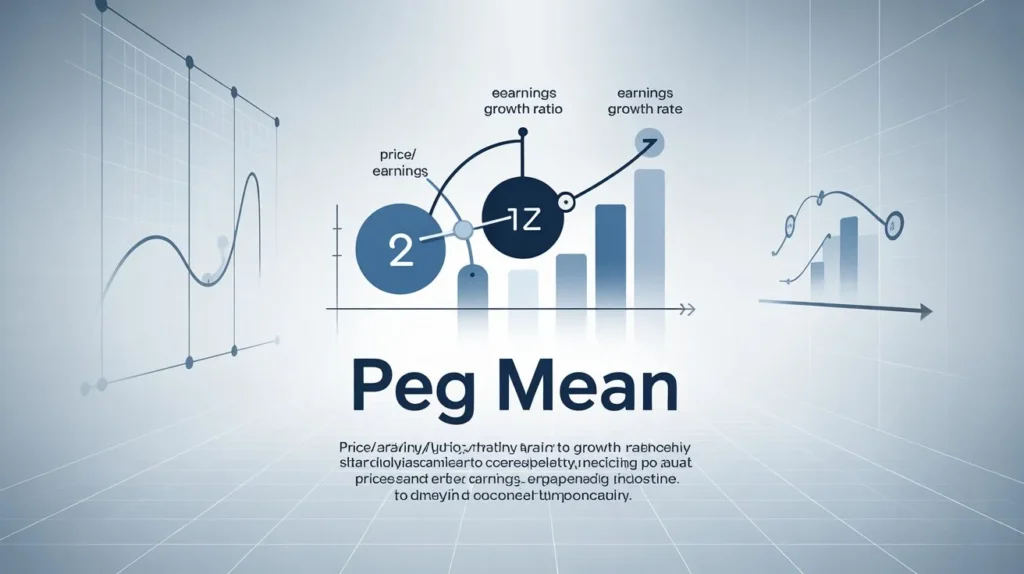
The PEG ratio is a valuation metric that compares a company’s price-to-earnings ratio with its expected earnings growth. It helps investors judge whether a stock’s price fairly reflects its growth potential.
Can “peg” have negative meanings?
Yes, in some contexts, peg can sound judgmental or dismissive, especially when used to label people. Understanding tone and context helps avoid unintended negativity.
Conclusion
The word peg may appear simple at first glance, but its meaning stretches across a wide range of contexts, each adding depth to how it is used and understood.
From its origins as a small physical pin used to hold objects in place, peg has evolved into a powerful linguistic tool for expressing stability, judgment, and control.
What connects all these meanings is a shared core idea: to fix, anchor, or assign something deliberately. Recognizing this common thread makes it easier to interpret the word correctly, regardless of where it appears.
By paying attention to context whether physical, social, or financial you can confidently understand and use the word peg without confusion.
As language continues to evolve, words like peg remind us that even the simplest terms can carry complex and meaningful layers worth exploring.