
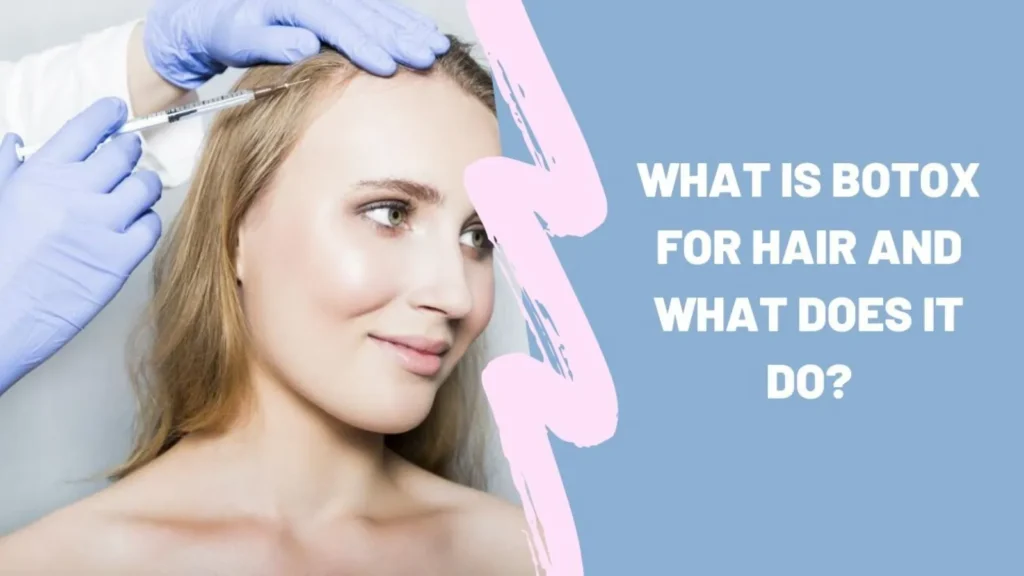

Botox has become one of the most popular cosmetic treatments worldwide, often associated with smoothing wrinkles and achieving a youthful appearance.
But beyond its fame in the beauty industry, many people are curious about what Botox really does and how it works.
Originally developed for medical purposes, Botox has evolved to offer both aesthetic and therapeutic benefits. Whether you’re considering Botox to reduce fine lines or exploring its medical uses like migraine relief, understanding its effects is essential.
This article will dive deep into what Botox is, how it works, and the wide range of applications it has. From cosmetic enhancements to treating medical conditions, Botox is more than just a beauty trendit’s a versatile treatment with lasting impact.
By the end, you’ll have a clear understanding of Botox and whether it might be right for you.
What is Botox?
Botox is a brand name for a purified form of botulinum toxin, a neurotoxin produced by the bacterium Clostridium botulinum. Although the word “toxin” might sound alarming, Botox is carefully processed and used in extremely small, controlled doses to provide safe and effective treatments. Initially approved by the FDA in the late 1980s for medical use, Botox has since become widely popular in cosmetic dermatology for its wrinkle-reducing abilities.
The main function of Botox is to block nerve signals that cause muscle contractions. When injected into specific muscles, it temporarily relaxes them, which reduces the appearance of wrinkles caused by repeated facial movements like frowning, squinting, or smiling. This relaxation allows the skin to smooth out, giving a younger and refreshed look.
While Botox is best known for its cosmetic use, it has important medical applications too. It was first used to treat conditions like muscle spasms and certain eye disorders, and today it’s also prescribed for chronic migraines, excessive sweating (hyperhidrosis), overactive bladder, and more.
Understanding what Botox is helps demystify the treatment and highlights why it has become a trusted option for millions worldwide, both for beauty and health reasons.
How Does Botox Work?
Botox works by targeting the communication between nerves and muscles. Normally, your nerves send signals to your muscles telling them to contract. These contractions are what create facial expressions but, over time, repetitive muscle movements lead to wrinkles and fine lines. Botox contains a purified form of botulinum toxin that blocks these nerve signals, preventing the muscles from contracting temporarily.
When Botox is injected into a specific muscle, it binds to nerve endings and stops the release of a chemical called acetylcholine. Without acetylcholine, the muscle cannot contract, which causes it to relax. This muscle relaxation smooths out the overlying skin, reducing the appearance of dynamic wrinklesthose wrinkles caused by movement.
The effects of Botox typically begin to show within 3 to 7 days after treatment, reaching full effect by around two weeks. However, Botox’s impact is not permanent. Because nerve endings regenerate and muscles regain their ability to contract, the effects usually last between 3 to 6 months. After this period, muscle movement gradually returns, and wrinkles may reappear, meaning repeat treatments are necessary to maintain the results.
It’s important to note that Botox only affects muscles near the injection site and does not alter your overall facial expressions or sensation when administered by a skilled professional. This precise action is what makes Botox a popular and effective treatment for both cosmetic and medical purposes.
Cosmetic Uses of Botox
Botox is best known for its ability to reduce the signs of aging, especially wrinkles and fine lines. The most common areas treated include the forehead, between the eyebrows (often called frown lines or “11” lines), and the outer corners of the eyes (crow’s feet). By relaxing the muscles responsible for these lines, Botox smooths the skin and gives a more youthful, refreshed appearance.
Beyond wrinkle reduction, Botox is also used for facial contouring. For example, injections in the jaw muscles can slim the lower face, creating a more defined jawline and a slimmer appearance. This treatment, often called masseter Botox, is popular among people who want to reduce jaw clenching or teeth grinding as well.
Other cosmetic uses include eyebrow lifts, where Botox is strategically injected to raise the brows slightly, creating a more open, alert look. It can also soften neck bands caused by tight muscles, helping to improve the appearance of the neck area.
Compared to other cosmetic treatments like dermal fillers or laser therapy, Botox specifically targets dynamic wrinkles caused by muscle movement. Fillers, on the other hand, add volume to areas that have lost fullness due to aging. Often, Botox and fillers are used together for a more comprehensive facial rejuvenation.
Overall, Botox offers a non-surgical, minimally invasive option for those looking to refresh their appearance without downtime. The quick procedure and natural-looking results have made it a favorite choice for millions worldwide.
Medical Uses of Botox
While Botox is widely recognized for its cosmetic benefits, it also has several important medical applications. Originally developed to treat muscle spasms, Botox has since been approved for a variety of therapeutic uses that help improve quality of life for many patients.
One of the most common medical uses of Botox is for treating chronic migraines. People suffering from frequent, debilitating headaches can receive Botox injections in specific areas around the head and neck, which can reduce the intensity and frequency of migraines.
Botox is also effective for managing hyperhidrosis, a condition characterized by excessive sweating. By blocking the nerve signals that activate sweat glands, Botox helps control sweating in areas like the underarms, palms, and feet, providing relief to those affected.
In addition, Botox treats muscle spasticity and stiffness caused by neurological conditions such as cerebral palsy or multiple sclerosis. By relaxing overactive muscles, Botox improves mobility and reduces discomfort.
Other medical uses include treating an overactive bladder by relaxing bladder muscles, reducing symptoms like frequent urination and urgency. It’s also used for certain eye conditions such as strabismus (crossed eyes) and blepharospasm (involuntary eyelid twitching).
These medical applications highlight Botox’s versatility beyond aesthetics. Its ability to temporarily block nerve signals allows it to address a wide range of muscular and neurological disorders, making it a valuable tool in modern medicine.
The Botox Procedure: What to Expect
If you’re considering Botox, understanding what the procedure involves can help ease any concerns and set realistic expectations. The Botox treatment is typically quick, minimally invasive, and requires little to no downtime.
The process begins with a consultation, where a qualified medical professional assesses your concerns, discusses your goals, and determines if Botox is the right treatment for you. They will review your medical history to ensure there are no contraindications.
On the day of the procedure, the targeted areas are cleaned, and sometimes a topical numbing cream is applied to reduce discomfort. Botox injections are then administered using a very fine needle, which most patients describe as only mildly uncomfortable, often compared to a small pinch.
The entire injection process usually takes about 10 to 20 minutes, depending on the number of areas treated. Because Botox works by relaxing muscles, results are not immediate; you can expect to see the effects begin within a few days, with full results visible in one to two weeks.
After the procedure, you might experience slight redness, swelling, or mild bruising at the injection sites, but these side effects typically fade within a few days. Patients are advised to avoid strenuous exercise, lying down, or rubbing the treated areas for at least 4 to 6 hours to ensure optimal results.
Overall, Botox is a convenient option for those seeking subtle, natural-looking improvements without surgery or extended recovery time.
Benefits of Botox
Botox offers a range of benefits that make it one of the most sought-after cosmetic and medical treatments worldwide. One of the primary advantages is that it is a quick and minimally invasive procedure. Unlike surgical options, Botox injections require no anesthesia, no incisions, and minimal recovery time, allowing patients to return to their daily activities almost immediately.
For cosmetic purposes, Botox effectively smooths wrinkles and fine lines caused by facial expressions, resulting in a more youthful and refreshed appearance. The natural-looking results mean you won’t look “frozen” or unnatural when treated by an experienced professional. Botox also offers preventative benefits; many people use it early to prevent deeper wrinkles from forming over time.
In addition to aesthetic improvements, Botox has significant therapeutic benefits. It is approved to treat a variety of medical conditions, including chronic migraines, muscle spasms, excessive sweating, and overactive bladder. This versatility highlights Botox’s unique role in both beauty and medicine.
Another benefit is the customizable nature of Botox treatments. Dosages and injection sites can be tailored to each individual’s needs and goals, allowing for subtle or more noticeable results based on preference.
Lastly, Botox’s effects, while temporary, provide flexibility. If you’re unsure about committing to permanent changes, Botox allows you to try the treatment with results lasting a few months, after which you can decide whether to continue.
These benefits combine to make Botox an appealing choice for those seeking safe, effective, and versatile treatment options.
Risks and Side Effects
While Botox is generally considered safe when administered by a qualified professional, it’s important to understand the potential risks and side effects associated with the treatment. Like any medical procedure, Botox injections come with some degree of risk, though serious complications are rare.
The most common side effects include mild redness, swelling, or bruising at the injection site. These effects usually resolve within a few days and don’t cause long-term problems. Some people may experience temporary headaches, flu-like symptoms, or slight muscle weakness near the treated area.
In rare cases, Botox can cause unwanted muscle weakness or drooping in nearby areas if the toxin spreads beyond the targeted muscles. For example, improper injection near the eyes may lead to eyelid drooping or uneven eyebrows. This is why selecting a skilled and experienced provider is crucial.
Other less common side effects may include dry eyes, difficulty swallowing, or allergic reactions, though these are extremely uncommon. Pregnant or breastfeeding women, people with certain neuromuscular disorders, or those allergic to botulinum toxin should avoid Botox.
To minimize risks, it’s essential to disclose your full medical history during the consultation and follow post-treatment care instructions carefully. Avoid rubbing or massaging treated areas immediately after injections and stay upright for several hours.
Understanding these risks helps set realistic expectations and ensures you make an informed decision when considering Botox.
How Long Does Botox Last?
One of the most common questions about Botox is how long its effects last. Understanding the duration of Botox’s results helps you plan treatments and set expectations for maintaining your desired look or therapeutic benefit.
Typically, Botox effects last between 3 to 6 months. After injection, you’ll usually start to see noticeable changes within 3 to 7 days, with full results appearing around two weeks. The muscle relaxation caused by Botox is temporary because nerve endings regenerate and regain their ability to send signals to muscles.
Several factors influence how long Botox lasts for each individual. These include age, metabolism, lifestyle, the area treated, and the dosage used. Younger patients with faster metabolisms may find the effects wear off more quickly, while larger muscles or areas with more movement might require more frequent treatments.
Regular Botox users often notice that over time, the duration of the effects can increase as muscles become trained to stay relaxed longer. Some people schedule maintenance treatments every 3 to 4 months to keep wrinkles at bay and prevent deeper lines from forming.
It’s important to work with a skilled practitioner who can tailor your treatment plan according to your needs and lifestyle. If you stop treatments, muscle movement will gradually return, and wrinkles may reappear, but no permanent muscle damage occurs.
Knowing how long Botox lasts allows you to make informed decisions about your treatment schedule and maintain the best possible results..
Cost of Botox
The cost of Botox treatments can vary widely depending on several factors, making it important to understand what influences pricing before committing. Generally, Botox is priced either per unit or per treatment area. Most providers charge based on the number of units used, with an average price ranging from $10 to $20 per unit.
The total cost depends on how many units are needed to achieve the desired results. For example, treating forehead wrinkles might require 10 to 30 units, while crow’s feet could need 5 to 15 units per side. Larger treatment areas or more extensive medical treatments may require additional units, increasing the overall price.
Geographic location also plays a role in pricing. Botox tends to be more expensive in major metropolitan areas or high-demand regions compared to smaller towns. The experience and reputation of the provider can influence cost as well; highly skilled professionals often charge more due to their expertise and safety standards.
Some clinics offer package deals or discounts for repeat clients or multiple treatment areas, so it’s worth inquiring about any promotions.
It’s important to remember that Botox is usually considered a cosmetic procedure, so it is typically not covered by insurance when used for aesthetic purposes. However, when Botox is prescribed for medical conditions such as migraines or hyperhidrosis, insurance may cover some or all of the costs.
Ultimately, while cost is a factor, prioritizing safety and quality over price ensures better results and reduces the risk of complications.
Myths and Facts About Botox
Botox is one of the most widely used cosmetic treatments, but it’s also surrounded by many myths and misconceptions. Understanding the facts can help you make informed decisions and feel more confident about the treatment.
Myth 1: Botox freezes your face.
Fact: When administered correctly, Botox relaxes muscles without completely freezing facial expressions. Skilled practitioners aim for a natural look, preserving your ability to smile, frown, and show emotion.
Myth 2: Botox is only for older people.
Fact: Many younger individuals use Botox as a preventative measure to stop wrinkles before they form. Early treatments can reduce the depth of lines over time.
Myth 3: Botox is dangerous because it’s a toxin.
Fact: Although Botox is derived from botulinum toxin, it’s used in very small, controlled doses that are safe and approved by health authorities worldwide.
Myth 4: Botox results are immediate.
Fact: Botox takes a few days to start working, with full effects visible after about two weeks.
Myth 5: Botox lasts forever.
Fact: Botox effects are temporary and typically last 3 to 6 months. Maintenance treatments are needed to sustain results.
Myth 6: Botox and fillers are the same.
Fact: Botox relaxes muscles to reduce wrinkles caused by movement, while fillers add volume to areas like cheeks and lips.
By separating fact from fiction, you can approach Botox treatment with realistic expectations and appreciate its benefits without fear or confusion.
Conclusion
Botox has firmly established itself as a versatile and effective treatment in both the cosmetic and medical fields. Whether you’re seeking to smooth away wrinkles and fine lines or to manage medical conditions like migraines or excessive sweating, Botox offers a minimally invasive option with proven results.
Understanding what Botox doesfrom its muscle-relaxing effects to its temporary yet impactful results can help you decide if it’s the right choice for your needs. Its quick procedure, minimal downtime, and natural-looking outcomes have made it a favorite among millions worldwide. Additionally, the medical benefits of Botox continue to expand, offering relief and improved quality of life to many patients.
However, like any treatment, Botox comes with potential risks and side effects, emphasizing the importance of choosing a qualified, experienced provider. Proper consultation and realistic expectations are key to a positive experience and satisfying results.
If you’re considering Botox, take the time to research, ask questions, and discuss your goals with a trusted professional. Whether for aesthetic enhancement or medical therapy, Botox’s unique ability to target muscle activity safely and effectively makes it a powerful tool in modern health and beauty care.
By staying informed and making thoughtful decisions, you can confidently explore the benefits of Botox and enjoy its many advantages.
FAQs:
1. Is Botox safe?
Yes, Botox is considered safe when administered by a licensed and experienced medical professional. It has been FDA-approved for both cosmetic and medical uses and has a strong safety record.
2. How soon will I see results from Botox?
Results typically start to appear within 3 to 7 days after the injections, with full effects visible after about two weeks.
3. Does Botox hurt?
Most people experience only mild discomfort during the injections, often described as a slight pinch. Some clinics offer topical numbing creams to reduce any pain.
4. How long do Botox results last?
The effects generally last between 3 to 6 months. After that, muscle movement gradually returns, and wrinkles may reappear.
5. Can Botox be combined with other treatments?
Yes, Botox is often combined with dermal fillers, chemical peels, or laser treatments to achieve more comprehensive facial rejuvenation.
6. Are there any side effects?
Common side effects include mild redness, swelling, or bruising at the injection site. Serious complications are rare but can occur if Botox spreads beyond the targeted area.
7. Who should avoid Botox?
Pregnant or breastfeeding women, people with certain neuromuscular conditions, or those allergic to botulinum toxin should avoid Botox.
8. Is Botox covered by insurance?
Cosmetic Botox is typically not covered by insurance. However, medical Botox treatments for conditions like migraines or hyperhidrosis may be covered.