
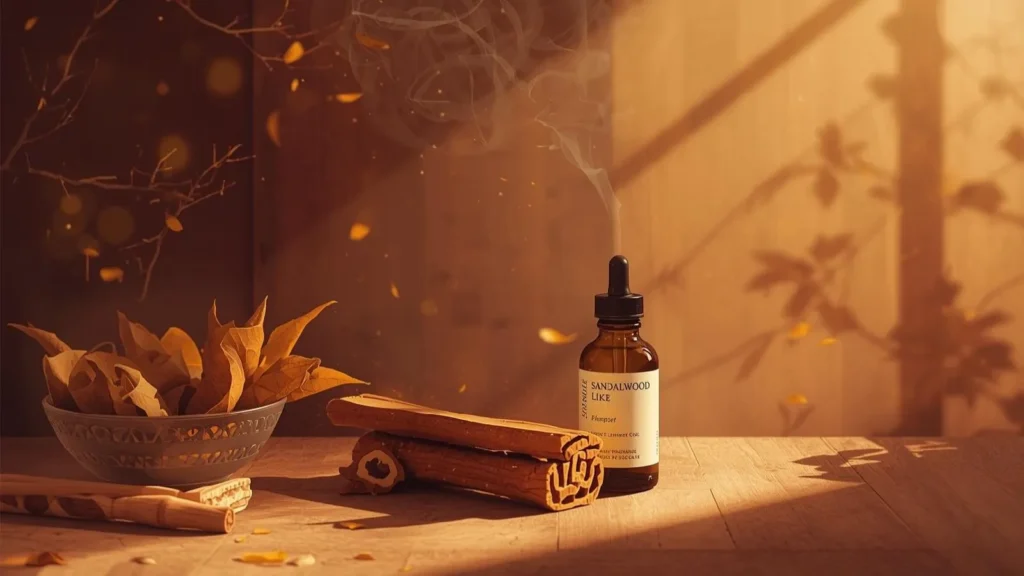
Sandalwood is one of the most loved and talked-about scents in the world, yet many people still struggle to describe what it actually smells like.
If you’ve never experienced it in its pure form, reading fragrance labels that mention “warm,” “woody,” or “creamy” can feel confusing and abstract.
That’s because sandalwood isn’t a sharp or overpowering scent, it’s subtle, smooth, and deeply comforting, which makes it hard to put into words. Used for centuries in perfumes, incense, essential oils, and spiritual rituals, sandalwood carries both a rich sensory presence and an emotional warmth.
For some, it smells soft and milky; for others, it feels earthy, musky, and calming. In this guide, you’ll get a clear, easy-to-imagine description of what sandalwood smells like, how it differs from other woody scents, and why it remains a timeless favorite in fragrance, wellness, and everyday products.
What Does Sandalwood Smell Like? (Direct Answer)
Sandalwood smells warm, creamy, soft, and woody, with a smooth richness that feels comforting rather than sharp. Unlike many wood scents that come across as dry or smoky, sandalwood has a rounded, almost milky quality that makes it feel luxurious and calming. The first impression is often gentle and slightly sweet, followed by a warm, woody depth that settles close to the skin. It’s not loud or piercing; instead, it feels cozy, elegant, and long-lasting.
Many people describe sandalwood as smelling like smooth polished wood mixed with soft cream and a hint of subtle spice. There’s often a light musky undertone that adds warmth without heaviness, making the scent feel grounded and soothing. Because of this balance, sandalwood rarely feels aggressive or overpowering. Even when it’s noticeable, it has a quiet confidence rather than a bold presence.
Emotionally, sandalwood has a calming and meditative feel. It often brings to mind peaceful spaces like temples, yoga studios, or quiet rooms filled with soft incense smoke. At the same time, it can feel sensual and intimate, which is why it’s so commonly used as a base note in perfumes.
Overall, sandalwood smells creamy rather than dry, warm rather than sharp, and smooth rather than rough. This unique combination is what makes it appealing to such a wide audience. It works beautifully on its own but also blends seamlessly with florals, spices, and musks, enhancing other scents without overpowering them.
The Scent Profile of Sandalwood (In-Depth Breakdown)
To fully understand what sandalwood smells like, it helps to break the scent down into its main components. At its core, sandalwood is a woody fragrance, but it is far softer and smoother than most woods. Instead of smelling dry, sharp, or resinous, sandalwood feels creamy and rounded, which is why it’s often described as “buttery” or “milky.” This smoothness gives it a luxurious quality that feels comforting rather than rugged.
One of the most distinctive aspects of sandalwood is its creamy undertone. This creaminess comes from natural aromatic compounds that create a soft, almost velvety aroma. It can remind some people of warm milk, coconut husk, or freshly sanded wood that still holds natural oils. This is what separates sandalwood from woods like cedar or pine, which tend to smell crisp or fresh instead.
Sandalwood also carries a subtle natural sweetness, though it is never sugary. The sweetness is gentle and balanced, adding warmth without making the scent feel heavy or edible. Alongside this sweetness, there may be faint spicy or earthy nuances that add depth and complexity.
As the scent develops, a light musky base emerges, helping sandalwood linger for hours. This musky quality feels clean and grounding rather than animalic. Together, these layers create a scent that is calm, smooth, and enduring one that feels both relaxing and quietly sophisticated.
How to Imagine the Smell of Sandalwood (Real-World Comparisons)
If you’ve never smelled sandalwood directly, imagining its scent can be easier when you connect it to familiar experiences. One common comparison is freshly polished wooden furniture. Not the sharp smell of raw lumber, but the smooth, warm aroma of wood that has been carefully sanded and treated, releasing its natural oils. This gives sandalwood its signature soft and refined character.
Another way to picture sandalwood is the feeling of warm skin after sunlight. There’s a gentle warmth and intimacy to the scent that feels natural and comforting rather than perfumed. This is why sandalwood often feels close to the skin instead of projecting aggressively into the air. It creates a personal scent bubble rather than filling the entire room.
Sandalwood is also closely associated with incense smoke, especially in spiritual or meditative settings. However, the smell itself isn’t harsh or smoky. Instead, it’s smooth and creamy, with the smoke acting as a soft veil rather than a dominant feature. Imagine walking into a quiet temple or meditation space where the air feels calm, clean, and grounding.
Some people compare sandalwood to a creamy, woody tea-like aroma, where the woodiness is softened by a subtle milky texture. Others think of clean wooden drawers or handcrafted wooden objects that carry a faint, comforting scent.
Altogether, sandalwood smells familiar yet refined. It doesn’t shock the senses but slowly draws you in, making it easy to enjoy even for people who usually avoid strong or sharp fragrances.
Natural vs Synthetic Sandalwood: Do They Smell the Same?
Natural and synthetic sandalwood may share the same name, but they can smell noticeably different. Real sandalwood, traditionally sourced from the Santalum tree, has a rich, smooth, and complex aroma that develops slowly over time. It smells deeply creamy, warm, and well-rounded, with subtle layers that unfold as the scent lingers. Natural sandalwood often feels softer and more refined, never harsh or overly sweet, which is why it has been prized for centuries in perfumery, incense, and spiritual practices.
Synthetic sandalwood, on the other hand, is created to mimic certain aspects of the natural scent. While high-quality synthetic versions can smell pleasant and convincing, they often lack the depth and evolving character of real sandalwood. Some synthetic sandalwood notes may smell sharper, sweeter, or more linear, meaning the scent stays the same from start to finish without much development. This can make the fragrance feel flatter or more artificial to experienced noses.
One reason synthetic sandalwood is so common is cost and sustainability. Real sandalwood is rare and expensive due to overharvesting and strict regulations. As a result, most modern perfumes use synthetic sandalwood molecules to recreate the creamy, woody effect without harming natural resources.
By smell alone, you can often tell the difference through complexity and longevity. Natural sandalwood tends to feel smoother, warmer, and more balanced as time passes, while synthetic versions may feel brighter at first but less nuanced. Both have their place, but the experience they offer can be quite different.
Different Types of Sandalwood and Their Smell
Not all sandalwood smells the same. The scent can vary depending on the species of tree and where it’s grown, which is why some sandalwood products smell creamier while others feel drier or more earthy. Understanding these differences helps set realistic expectations when choosing a sandalwood-based product.
Indian sandalwood (Santalum album) is considered the gold standard. It has a rich, smooth, and deeply creamy aroma with a soft natural sweetness. The scent feels warm, sacred, and luxurious, often described as buttery or milky with a gentle woody depth. This type of sandalwood is commonly associated with traditional incense, spiritual rituals, and high-end perfumery because of its calming and meditative quality.
Australian sandalwood (Santalum spicatum) smells noticeably different. It is drier, woodier, and less creamy than Indian sandalwood. While still warm and pleasant, it leans more earthy and slightly herbal, with a cleaner and more straightforward wood scent. Some people prefer this version because it feels lighter and less rich, especially in everyday fragrances or skincare products.
There are also modern sandalwood interpretations used in perfumes, which may blend natural and synthetic notes. These versions are often designed to smell cleaner, smoother, or more minimal, sometimes emphasizing freshness over creaminess. They may not smell exactly like traditional sandalwood but still deliver the comforting woody impression people expect.
Overall, the type of sandalwood used greatly influences how the scent feels ranging from creamy and luxurious to dry and understated.
How Sandalwood Smells in Different Products
The way sandalwood smells can change depending on how it’s used, even though its core character remains warm and woody. In perfumes, sandalwood is most often used as a base note. This means it doesn’t usually hit you immediately but slowly emerges as the fragrance settles on the skin. In this form, sandalwood smells smooth, creamy, and slightly musky, helping to anchor brighter notes like citrus, florals, or spices. It can feel masculine, feminine, or completely unisex depending on what it’s blended with.
When experienced as sandalwood essential oil, the scent feels more raw and natural. It’s deeper, richer, and more earthy than in most perfumes, with a strong sense of warmth and grounding. The creaminess is still present, but the woodiness is more pronounced, making it ideal for aromatherapy, meditation, and relaxation practices.
Sandalwood incense and candles bring out a softer, slightly smoky side of the scent. The aroma becomes more atmospheric, filling a room with a calm and meditative feel. While there is a hint of smoke, true sandalwood incense remains smooth and creamy rather than sharp or burning. This version is often associated with spiritual spaces and stress relief.
In soaps and skincare products, sandalwood smells gentle and comforting. It’s usually lighter and cleaner, leaving behind a subtle woody warmth rather than a strong lingering fragrance. This versatility is why sandalwood works so well across many different products and settings.
Is Sandalwood a Strong or Subtle Scent?
Sandalwood is generally considered a subtle to moderate scent rather than a strong or overpowering one. Its strength doesn’t come from sharp projection but from its longevity and depth. Instead of filling a room instantly, sandalwood tends to stay closer to the skin or softly linger in the air, creating a calm and comforting presence over time.
In fragrances, sandalwood has low to medium projection, meaning people nearby may notice it, but it rarely announces itself loudly. This makes it an excellent choice for everyday wear, office environments, or situations where strong scents might feel overwhelming. Even when layered with other notes, sandalwood smooths and softens the overall fragrance rather than dominating it.
What makes sandalwood special is how long it lasts. As a base note, it can remain noticeable for hours, slowly evolving without becoming harsh. The scent often becomes creamier and warmer as it settles, giving the impression of strength without intensity. This slow development is why sandalwood feels refined and elegant rather than bold.
In incense or candles, sandalwood can feel stronger simply because it’s meant to scent an entire space. Even then, it remains balanced and calming, not sharp or smoky when made with quality ingredients. Poor-quality or synthetic versions may smell stronger but less pleasant, sometimes leaning sweet or chemical.
Overall, sandalwood is best described as soft, steady, and enduring. It’s ideal for people who prefer fragrances that feel close, personal, and soothing rather than loud or attention-grabbing.
Why People Love the Smell of Sandalwood
One of the main reasons people love the smell of sandalwood is its calming and grounding effect. The scent feels warm and soothing, making it easy to relax both mentally and emotionally. Many people associate sandalwood with peaceful moments, such as meditation, quiet evenings, or personal self-care rituals. This emotional connection makes the scent feel comforting and familiar rather than overwhelming.
Sandalwood is also loved for its versatility. It works beautifully on its own but blends effortlessly with florals, spices, musks, and even fresh notes. Because of this, it appears in a wide range of perfumes and products, appealing to different tastes and styles. Whether someone prefers something soft and cozy or elegant and sensual, sandalwood adapts without losing its identity.
Another reason for its popularity is its timeless and luxurious character. Sandalwood doesn’t follow short-lived fragrance trends. Instead, it has a classic appeal that feels refined and enduring. Its creamy, woody nature often gives products a sense of quality and depth, even in simple formulations.
Cultural and spiritual associations also play a role. For centuries, sandalwood has been used in religious ceremonies, incense, and traditional practices, especially in Asia. These associations give the scent a sense of depth, meaning, and serenity that many people find deeply appealing.
Overall, sandalwood is loved because it feels warm, safe, elegant, and emotionally comforting, making it easy to wear, enjoy, and return to again and again.
Who Might Not Like Sandalwood?
While sandalwood is widely loved, it isn’t for everyone. Some people prefer fragrances that feel fresh, bright, or energizing, such as citrus, aquatic, or green scents. Compared to those, sandalwood can feel too warm, soft, or understated. If you enjoy crisp or sharp aromas, sandalwood’s creamy and smooth nature might seem dull or heavy.
People who are sensitive to musky or woody base notes may also find sandalwood less appealing. Although it’s generally gentle, its lingering warmth can feel cloying to those who prefer scents that fade quickly. In some cases, synthetic sandalwood notes can smell overly sweet or chemical, which may create a negative impression for first-time users.
Expectations play a big role as well. Some people expect sandalwood to smell strongly smoky or incense-like. When it turns out to be softer and creamier, it can feel underwhelming. On the other hand, if someone is expecting a light, airy wood scent, the richness of sandalwood may feel too dense.
Cultural associations can also influence perception. For individuals who associate sandalwood with religious ceremonies or incense-heavy spaces, the scent may feel too serious or nostalgic rather than relaxing. This doesn’t mean the scent is unpleasant, but it may not suit everyday use for everyone.
Ultimately, whether you like sandalwood comes down to personal taste. If you enjoy warm, creamy, long-lasting scents, sandalwood is likely a great fit. If you lean toward fresh or minimalist fragrances, you may prefer other woody or aromatic options.
Sandalwood Compared to Similar Scents
Understanding how sandalwood compares to other popular scents can make it easier to decide whether it suits your preferences. While it falls under the woody fragrance family, sandalwood stands out for its softness and creaminess, which sets it apart from many other wood-based aromas.
Compared to cedarwood, sandalwood is much smoother and warmer. Cedarwood smells dry, sharp, and sometimes pencil-like, while sandalwood feels rounded and creamy. Cedarwood has a fresh, slightly smoky edge, whereas sandalwood leans toward comfort and warmth rather than crispness.
When compared to oud, the difference becomes even clearer. Oud is deep, intense, and often smoky or animalic, with a bold presence that commands attention. Sandalwood, by contrast, is gentler and more approachable. It doesn’t overwhelm the senses and is easier to wear daily, especially for those new to woody fragrances.
Patchouli offers another contrast. Patchouli is earthy, dark, and sometimes sweet in a heavy way. Sandalwood is lighter, cleaner, and more refined, lacking the damp, soil-like quality patchouli can have. While patchouli feels bold and expressive, sandalwood feels calm and balanced.
Compared to vetiver, which smells grassy, green, and slightly smoky, sandalwood is smoother and less sharp. Vetiver has a dry, root-like quality, while sandalwood feels creamy and polished.
Overall, sandalwood is the most soft-spoken and comforting among these scents. It doesn’t aim to impress through strength but through warmth, balance, and elegance.
How to Choose a Sandalwood Product That Smells Best to You
Choosing the right sandalwood product depends largely on how you want the scent to feel and where you plan to use it. The first step is understanding what type of sandalwood note the product contains. Look for descriptions like creamy, soft, or milky if you prefer a smoother, more comforting scent. If you like drier or earthier fragrances, products mentioning woody or smoky sandalwood may suit you better.
When buying perfumes, check whether sandalwood is listed as a base note. This usually means the scent will be subtle, long-lasting, and well-blended rather than sharp or dominant. Sampling on skin is important, as sandalwood can smell slightly different depending on body chemistry. Give it time to dry down, since its true character appears after the initial notes fade.
For essential oils, quality matters. Pure sandalwood oil smells rich, warm, and natural, while lower-quality or heavily diluted oils may smell thin or synthetic. Reading reviews and sourcing from reputable brands can help avoid disappointment.
If you’re choosing candles or incense, consider the environment. For relaxation or meditation, creamy and traditional sandalwood works best. For everyday home fragrance, lighter or blended sandalwood scents may feel more versatile.
Ultimately, trust your nose and preferences. Sandalwood is subtle by nature, so the best choice is the one that feels calming, balanced, and enjoyable to you over time.
FAQs:
Does sandalwood smell sweet?
Sandalwood has a mild, natural sweetness, but it is never sugary or overpowering. The sweetness is soft and creamy, balanced by woody and slightly musky notes. This subtle sweetness is one of the reasons sandalwood feels warm and comforting rather than sharp.
Is sandalwood masculine or feminine?
Sandalwood is considered a unisex scent. Its smooth, balanced character allows it to work equally well in masculine, feminine, and neutral fragrances. The surrounding notes usually determine how it leans, not the sandalwood itself.
Does sandalwood smell like incense?
Pure sandalwood does not smell smoky on its own. However, when used in incense, the burning process adds a soft smoky layer. The core scent remains creamy and woody, not harsh or burnt when high-quality ingredients are used.
Is sandalwood a calming scent?
Yes, sandalwood is widely known for its calming and grounding effects. Many people find it relaxing and mentally soothing, which is why it’s often used in meditation, yoga, and aromatherapy.
Why does sandalwood smell different in each product?
The scent of sandalwood changes based on its source, quality, and formulation. Natural versus synthetic versions, blending ingredients, and how the product is used all influence how sandalwood smells.
Final Thoughts:
Sandalwood is a scent that doesn’t rush to impress; it reveals itself slowly and gently. If you enjoy fragrances that feel warm, creamy, and comforting, sandalwood is likely to be a great fit. Its smooth woody character makes it easy to wear in almost any setting, whether you’re choosing a personal fragrance, a calming candle, or a grounding essential oil. Unlike sharp or overly sweet scents, sandalwood feels balanced and refined, which is why it has remained popular for centuries.
One of sandalwood’s greatest strengths is its versatility. It works beautifully on its own but also enhances other notes without overpowering them. This makes it ideal for people who prefer subtle, long-lasting scents that feel close to the skin. Sandalwood is also an excellent choice if you’re looking for something calming and emotionally soothing, as it naturally creates a sense of peace and relaxation.
However, personal preference always matters. If you gravitate toward fresh citrus, aquatic, or very bold fragrances, sandalwood may feel too soft or understated. In that case, you might prefer it as a supporting note rather than the main focus.
Ultimately, sandalwood is best experienced firsthand. Sampling different products and allowing the scent to develop over time will help you decide. For many, sandalwood becomes a trusted, comforting favorite one that feels timeless, elegant, and quietly memorable.

“On You Wishes, I share the most heartfelt wishes for every moment — birthdays, love, or motivation. Each message is written with emotion to bring smiles and inspiration!”