
Have you ever noticed your gums bleeding when you brush or floss, or found them looking red and swollen?
These could be early signs of gingivitis, a common form of gum disease that often goes unnoticed until it becomes more serious.
Gingivitis is the mildest stage of gum disease, caused primarily by plaque buildup along the gum line.
While it may seem minor, ignoring it can lead to periodontitis, a more severe condition that can damage gums, teeth, and even bone.
Recognizing what gingivitis looks like is crucial for maintaining healthy teeth and gums.
In this article, we’ll take a close look at the visual signs of gingivitis, its symptoms, causes, and risk factors.
You’ll also learn practical tips for prevention and treatment, helping you protect your smile before gum problems get out of hand. Knowing the signs early can make all the difference in oral health.
What Is Gingivitis?
Gingivitis is the earliest stage of gum disease, characterized by inflammation and irritation of the gums. It occurs when plaque, a sticky film of bacteria that constantly forms on your teeth, is not effectively removed through regular brushing and flossing. If plaque accumulates along the gum line, it can irritate the gums, causing redness, swelling, and bleeding. Unlike more severe forms of gum disease, gingivitis does not typically cause pain, which is why many people fail to notice it in its early stages.
Understanding gingivitis is important because it is completely reversible with proper oral hygiene and early treatment. Left untreated, it can progress into periodontitis, a serious condition that damages the gums, teeth, and supporting bone structure.
Gingivitis can affect anyone but is more common in individuals who:
- Brush or floss irregularly
- Smoke or use tobacco products
- Have hormonal changes
- Suffer from certain health conditions, such as diabetes
- Take medications that reduce saliva flow
Recognizing what gingivitis looks like early is crucial for maintaining healthy teeth and gums. Typical signs include red or swollen gums, bleeding while brushing, and tenderness along the gum line. Regular dental checkups, combined with proper oral care, are the most effective ways to prevent and reverse gingivitis before it leads to more severe problems.
Visual Signs of Gingivitis
Recognizing what gingivitis looks like is the first step toward protecting your oral health. One of the most obvious signs is red or inflamed gums. Healthy gums are usually light pink, so any change in color especially a deep red can indicate inflammation. Along with redness, swollen or puffy gums are common, making the gum line appear larger than normal.
Another clear symptom is bleeding gums, especially while brushing or flossing. Even gentle brushing can cause gums to bleed when gingivitis is present. Some people also notice tender or sensitive gums, which can feel sore when touched or when eating hot, cold, or sweet foods.
Receding gums may occur in more advanced stages. This happens when the gums start pulling away from the teeth, creating pockets where plaque can accumulate, further worsening the problem. You might also see plaque or tartar buildup along the gum line, which appears as yellowish or brown deposits on the teeth.
It’s important to note that gingivitis often develops gradually. Early stages may be subtle, showing only slight redness or occasional bleeding. By the time noticeable swelling or receding gums appear, the condition may have persisted for weeks or months.
Identifying these visual signs early is crucial. Regularly checking your gums in a mirror and visiting a dentist for routine exams can help detect gingivitis before it progresses into a more serious condition, keeping your teeth and gums healthy for life.
Early vs. Advanced Gingivitis
Understanding the stages of gingivitis is essential for spotting the condition early and preventing it from progressing into serious gum disease. Gingivitis typically develops gradually, and its symptoms vary depending on severity.
Early gingivitis is often subtle and easy to overlook. In this stage, gums may appear slightly red or swollen, but discomfort is usually minimal. You might notice occasional bleeding while brushing or flossing, but it may not happen every time. Plaque buildup begins along the gum line, yet the condition is fully reversible with consistent oral hygiene, such as brushing twice daily, flossing, and using antiseptic mouthwash.
Advanced gingivitis occurs when plaque and bacteria have been allowed to accumulate over time. Gums become more inflamed, dark red, and tender, sometimes painful to touch. Persistent bleeding, gum recession, and sensitivity to temperature or sweet foods are common. In severe cases, pockets may form between teeth and gums, trapping food particles and bacteria, which can lead to infection. Advanced gingivitis significantly increases the risk of developing periodontitis, a serious form of gum disease that can cause tooth loss and bone damage.
The key difference between early and advanced gingivitis is reversibility. While early gingivitis can be completely treated at home with proper care, advanced gingivitis often requires professional dental treatment, including deep cleaning and careful monitoring. Recognizing these stages helps you act promptly, ensuring your gums remain healthy and avoiding long-term dental problems.
Causes and Risk Factors of Gingivitis
Gingivitis develops when the delicate balance in your mouth is disrupted, usually due to plaque buildup, which harbors harmful bacteria. Plaque forms continuously on teeth and along the gum line, and if it is not removed through brushing and flossing, it can irritate the gums, leading to inflammation and bleeding.
Several lifestyle habits increase the risk of gingivitis. Poor oral hygiene, such as irregular brushing or skipping flossing, is the most common cause. Smoking and chewing tobacco also contribute by reducing blood flow to the gums, impairing healing, and increasing bacterial growth. Diet plays a role too; consuming excessive sugar and processed foods can accelerate plaque formation.
Certain health conditions and medications can make gums more susceptible. People with diabetes or weakened immune systems often experience more severe gum problems. Hormonal changes, such as those during pregnancy, puberty, or menopause, can increase gum sensitivity and inflammation. Some medications, like antidepressants or antihypertensives, may reduce saliva production, which normally helps protect gums.
Genetics can also play a role as some individuals are naturally more prone to gum disease. Finally, stress and poor sleep may indirectly contribute by weakening the immune system, making it harder for the body to fight oral bacteria.
Understanding these causes and risk factors is essential because it helps you prevent gingivitis before it starts. Simple steps like maintaining proper oral hygiene, eating a balanced diet, and scheduling regular dental visits can significantly reduce your risk of developing gum disease.
Symptoms Beyond Appearance
While visual signs like redness, swelling, and bleeding gums are the most noticeable indicators of gingivitis, the condition also presents symptoms that aren’t immediately visible. Recognizing these subtler signs is important for early detection and effective treatment.
One common symptom is persistent bad breath, also called halitosis. Bacteria in plaque produce toxins that can create an unpleasant odor, even after brushing or using mouthwash. Many people notice that their breath smells worse in the morning or after meals.
Gum tenderness or discomfort is another symptom. Gums may feel sore when touched or when eating hot, cold, or sweet foods. This sensitivity is often overlooked because it is mild in the early stages but tends to worsen if gingivitis progresses.
Some individuals experience changes in gum texture or firmness. Healthy gums are usually firm and resilient, but inflamed gums may feel soft, spongy, or slightly puffy. In some cases, gums may appear to pull away from the teeth, creating shallow pockets where bacteria can accumulate.
In rare cases, advanced gingivitis may cause slight loosening of teeth or discomfort when biting or chewing. Although not common in early stages, this symptom indicates that the inflammation has persisted and may be progressing toward periodontitis.
Paying attention to these non-visual symptoms, along with routine self-checks and dental visits, allows for early intervention. Early treatment can reverse gingivitis completely, preventing serious gum disease, tooth loss, and long-term dental complications.
Gingivitis Treatment
Gingivitis treatment focuses on removing plaque, reducing gum inflammation, and improving oral hygiene. Dentists usually recommend professional teeth cleaning to remove tartar and bacteria that regular brushing cannot clean. After cleaning, patients should brush their teeth twice daily with fluoride toothpaste and use dental floss every day. Many people also use antibacterial mouthwash to control germs and freshen breath. In some cases, dentists may suggest special medicated gels or prescription mouth rinses for severe gum irritation. Eating healthy foods, drinking enough water, and avoiding smoking can also help gums heal faster. Gingivitis is easier to treat in its early stages, so quick action is important. Regular dental checkups every six months help prevent the condition from returning. Good oral care habits can stop gum bleeding, swelling, and bad breath before they become serious problems. With proper care and treatment, most people recover from gingivitis and enjoy healthier gums and stronger teeth. Early treatment also lowers the risk of developing more serious gum diseases later in life.
Gingivitis Symptoms
Gingivitis symptoms usually appear slowly and may become worse if ignored. One of the most common signs is red or swollen gums that feel tender when touched. Many people notice bleeding gums while brushing or flossing their teeth. Persistent bad breath is another common symptom because bacteria build up around the gum line. Some individuals may also feel slight pain or irritation while eating hot or cold foods. Healthy gums are normally pink and firm, but gingivitis can make them appear darker and puffy. In some cases, gums may start pulling away from the teeth, creating small pockets where bacteria grow easily. People with gingivitis may also experience a bad taste in the mouth throughout the day. These symptoms are often caused by poor oral hygiene and plaque buildup. Ignoring early signs can lead to more serious gum problems in the future. Regular brushing, flossing, and dental visits help reduce symptoms and protect oral health. Early detection is important because gingivitis can usually be reversed before permanent gum damage occurs.
Is Gingivitis Curable
Many people ask, “Is gingivitis curable?” and the answer is yes. Gingivitis is one of the earliest stages of gum disease and can usually be reversed with proper oral care and professional treatment. Unlike severe gum disease, gingivitis does not normally cause permanent damage to the teeth or bones when treated early. Dentists often recommend deep cleaning to remove plaque and tartar that irritate the gums. After treatment, patients should maintain strong oral hygiene habits such as brushing twice daily, flossing regularly, and using antibacterial mouthwash. A healthy diet and avoiding tobacco products also improve gum healing. Most people notice reduced swelling and bleeding within a few weeks of proper care. However, if gingivitis is ignored, it may develop into periodontitis, which is harder to treat. Regular dental checkups are important because they help identify gum problems before they become severe. Keeping the mouth clean and healthy is the best way to cure and prevent gingivitis. With consistency and proper dental care, gums can return to a healthy condition and remain strong for years.
What Causes Gingivitis
The main cause of gingivitis is plaque buildup on the teeth and gums. Plaque is a sticky layer of bacteria that forms when food particles and saliva mix inside the mouth.
If plaque is not removed through brushing and flossing, it hardens into tartar, which irritates the gums and causes inflammation. Poor oral hygiene is the biggest reason people develop gingivitis, but other factors can also increase the risk. Smoking and tobacco use weaken gum health and make infections more likely. Hormonal changes during pregnancy or puberty may also make gums more sensitive. Certain medical conditions such as diabetes can affect the body’s ability to fight gum infections.
Some medications reduce saliva production, leading to dry mouth and bacterial growth. Stress and unhealthy eating habits can also contribute to gum problems. People who skip regular dental cleanings are more likely to experience plaque buildup and gum disease. Understanding what causes gingivitis helps people take preventive steps. Daily oral hygiene and routine dental visits are the best ways to keep gums healthy and avoid future complications.
What Does Gingivitis Feel Like
Many people wonder what gingivitis feels like because the condition often starts with mild discomfort. Gingivitis usually causes gums to feel tender, swollen, or sensitive during brushing and flossing. Some individuals experience soreness while eating crunchy or spicy foods. Bleeding gums are also common and may happen even with gentle brushing. In the early stages, gingivitis may not cause severe pain, which is why many people ignore it. However, the gums can feel irritated or itchy around the teeth. Some people notice constant bad breath or a strange taste in the mouth due to bacterial buildup. Gums may also feel soft instead of firm and healthy. In more advanced cases, the gums may pull away slightly from the teeth, creating discomfort and sensitivity. The feeling of gingivitis can vary from person to person depending on the severity of inflammation. Recognizing these sensations early can help prevent more serious gum disease. Proper brushing, flossing, and professional dental cleaning can reduce discomfort and restore gum health before the condition becomes severe.
Is Gingivitis Contagious
Many people ask whether gingivitis is contagious. Gingivitis itself is not directly contagious like a cold or flu, but the bacteria that contribute to gum disease can spread through saliva. Sharing utensils, kissing, or using the same toothbrush may transfer harmful bacteria from one person to another. However, developing gingivitis depends largely on oral hygiene habits and overall health. A person with strong dental care habits may not develop gum disease even after exposure to bacteria. Poor brushing and flossing allow bacteria to grow and irritate the gums. People with weakened immune systems, smoking habits, or health conditions may be more vulnerable to infection.
Maintaining good oral hygiene is the best defense against gingivitis. Dentists recommend brushing twice daily, flossing regularly, and avoiding sharing personal oral care items. Routine dental visits also help control bacterial growth and prevent gum disease. While gingivitis bacteria can spread between people, the condition itself is generally preventable with proper dental care. Healthy habits and clean teeth play a major role in protecting gums from infection and inflammation.
Gingivitis vs Periodontitis
Gingivitis and periodontitis are both forms of gum disease, but periodontitis is much more serious. Gingivitis is the early stage and mainly affects the gums, causing redness, swelling, and bleeding. At this stage, the damage can usually be reversed with proper treatment and oral hygiene.
Periodontitis develops when gingivitis is left untreated for a long time. In periodontitis, the infection spreads deeper into the gums and supporting bone structures around the teeth.
This can lead to loose teeth, gum recession, and even tooth loss. People with periodontitis may experience pain while chewing and persistent bad breath. Gingivitis normally does not cause permanent damage, while periodontitis can permanently affect oral health.
Professional dental treatment is required for both conditions, but periodontitis often needs more advanced procedures such as deep cleaning or surgery. Understanding the difference between gingivitis vs periodontitis is important because early treatment can prevent severe complications. Daily brushing, flossing, and regular dental checkups are essential for protecting gum health and stopping gingivitis from progressing into advanced periodontal disease.
Gingivitis Mouthwash
Gingivitis mouthwash is commonly used to reduce bacteria, fight plaque buildup, and improve gum health. Many antibacterial mouthwashes contain ingredients that help decrease inflammation and control bad breath caused by gum disease. Dentists often recommend mouthwash as part of a complete oral hygiene routine along with brushing and flossing. Some mouthwashes are specially designed for sensitive gums and may contain soothing ingredients that reduce swelling and irritation.
Using mouthwash regularly can reach areas of the mouth that toothbrushes sometimes miss. However, mouthwash alone cannot cure gingivitis if plaque and tartar remain on the teeth. Professional dental cleaning is still important for removing hardened deposits.
People should choose alcohol-free mouthwash if they experience dry mouth or sensitivity. Following the instructions on the product label helps achieve better results and avoid irritation. Gingivitis mouthwash can support healthier gums when combined with consistent oral care habits. Regular dental visits and daily cleaning routines remain the best way to prevent gum disease and maintain fresh breath, healthy gums, and strong teeth over time.
How to Prevent and Treat Gingivitis
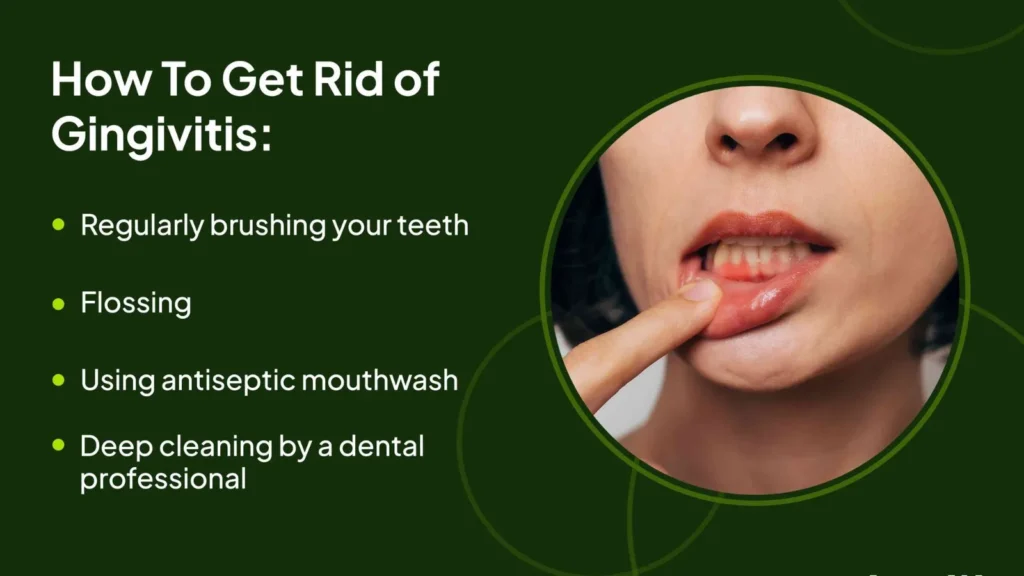
Preventing and treating gingivitis is largely manageable with proper oral hygiene and lifestyle habits. The first step is consistent brushing at least twice a day with fluoride toothpaste. Brushing should focus not only on the teeth but also gently along the gum line, where plaque tends to accumulate. Using a soft-bristled toothbrush helps prevent gum irritation.
Flossing daily is equally important. Floss removes food particles and plaque from areas between teeth that a toothbrush cannot reach. Many people skip flossing, but it is crucial for preventing gum inflammation. Antiseptic mouthwashes can also help reduce bacteria and maintain gum health, particularly for individuals prone to gingivitis.
Professional dental care is essential. Regular dental cleanings remove tartar buildup and plaque that cannot be eliminated by brushing alone. Dentists can also provide guidance on proper oral care techniques and detect early signs of gum disease.
Lifestyle changes can further prevent gingivitis. Quitting smoking significantly reduces the risk, as tobacco weakens gum tissue and slows healing. A balanced diet rich in vitamins and minerals, particularly vitamin C and calcium, strengthens gums and teeth.
For mild cases of gingivitis, these steps are often sufficient to reverse the condition within a few weeks. However, if symptoms persist, it is important to consult a dentist for further evaluation. Early intervention ensures that gingivitis does not progress into periodontitis, a more severe and irreversible form of gum disease.
When Gingivitis Becomes Periodontitis
If gingivitis is left untreated, it can progress into periodontitis, a more severe and potentially damaging form of gum disease. While gingivitis affects only the gums, periodontitis impacts the supporting structures of the teeth, including the bone and connective tissue. This makes early detection and treatment of gingivitis critical.
Periodontitis develops gradually. The bacteria in plaque produce toxins that not only inflame the gums but also trigger the body’s immune response, which can break down bone and connective tissue around the teeth. This may result in gum recession, deep pockets between the gums and teeth, and eventually loose or shifting teeth.
Other signs that gingivitis may be advancing include persistent bleeding, chronic bad breath, pus around the gums, and sensitivity while chewing. In some cases, periodontitis can lead to tooth loss and may require more intensive dental treatments, such as scaling, root planing, or even surgical interventions.
Beyond oral health, untreated gum disease has been linked to systemic health issues, including heart disease, diabetes complications, and increased inflammation throughout the body.
The key takeaway is that gingivitis is reversible, but periodontitis is not fully reversible. Maintaining good oral hygiene, regular dental checkups, and early intervention at the first signs of gingivitis are essential to prevent this progression. Recognizing the warning signs and acting promptly protects not only your smile but your overall health.
FAQs
1. Can gingivitis go away on its own?
Mild gingivitis can sometimes improve temporarily if oral hygiene is improved, but it rarely resolves completely without proper care. Brushing, flossing, and professional dental cleanings are essential to fully reverse the condition.
2. Is bleeding gums always a sign of gingivitis?
Not necessarily. Occasional gum bleeding can result from aggressive brushing or flossing, but frequent or persistent bleeding is a strong indicator of gingivitis or other gum issues. Regular dental checkups are recommended to confirm the cause.
3. How quickly can gingivitis develop?
Gingivitis can develop in as little as 10–21 days of poor oral hygiene. Plaque accumulation irritates the gums, leading to inflammation, redness, and bleeding.
4. Can children get gingivitis?
Yes. Children and teenagers can develop gingivitis, especially if they neglect brushing and flossing. Early intervention prevents long-term dental problems.
5. Can gingivitis cause tooth loss?
By itself, gingivitis rarely causes tooth loss. However, if left untreated, it can progress into periodontitis, which affects gums, bone, and teeth, potentially leading to tooth loss.
6. What home remedies can help with gingivitis?
While home care is important, remedies like saltwater rinses, proper brushing and flossing, and antiseptic mouthwashes can help reduce inflammation. They should be used alongside professional care for best results.
7. How often should I see a dentist for gingivitis prevention?
Regular checkups every six months are recommended. Early detection allows your dentist to remove plaque and tartar and provide guidance on proper oral hygiene.
Conclusion
Gingivitis is one of the most common dental problems worldwide, yet it often goes unnoticed because its early signs can be subtle.
Knowing what gingivitis looks like from red, swollen, or bleeding gums to tenderness and sensitivity is essential for preventing more serious gum disease.
While visual symptoms are the most obvious, there are also non-visible signs, such as bad breath, gum discomfort, and changes in gum texture, which should never be ignored.
The good news is that gingivitis is fully reversible with proper care. Simple steps like brushing twice daily, flossing, using antiseptic mouthwash, and maintaining regular dental checkups can restore gum health.
Avoiding risk factors, such as smoking, poor diet, and certain medications, further reduces your chances of developing gum disease.
Early intervention is crucial because untreated gingivitis can progress to periodontitis, a serious condition that damages gums, bone, and teeth, and may even affect overall health.
Discover More Post
- RT Meaning in Text, Chat, and Social Media
- PPL meaning: What Does PPL Mean in Text?
- WBU Meaning in Text, Chat, and Social Media