
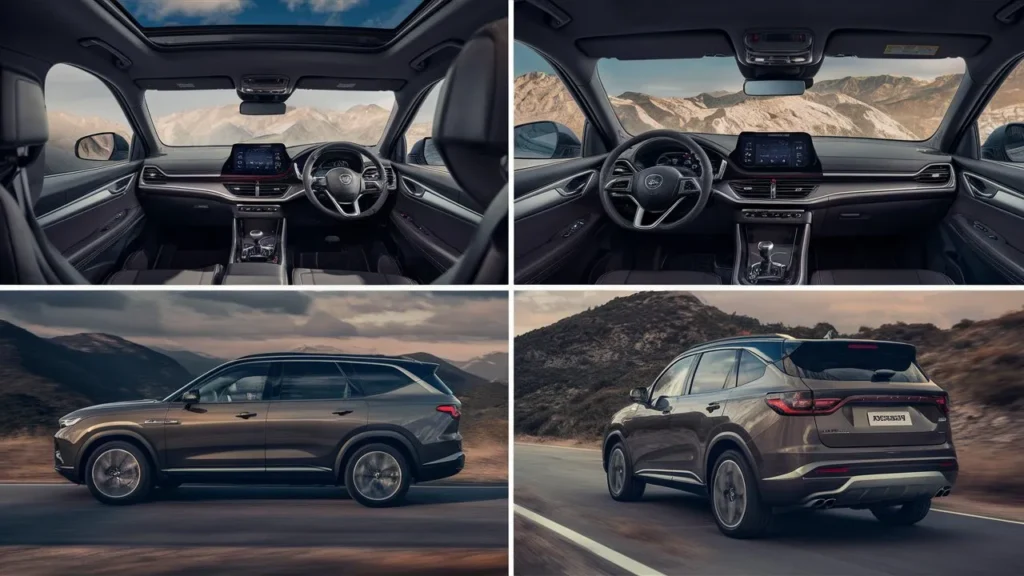

If you’ve ever shopped for a car or browsed auto listings, you’ve probably come across the term SUV. It’s one of the most popular vehicle categories in the world today, yet many people still ask a simple question: what does SUV stand for?
Understanding this term is important because SUVs are designed to offer a unique combination of comfort, space, performance, and versatility that sets them apart from other vehicles.
An SUV, short for Sport Utility Vehicle, is built to handle a wide range of driving needs. From daily city commuting to long family road trips and even light off-road adventures, SUVs are known for their adaptability.
Their higher driving position, roomy interiors, and practical features have made them a top choice for families, professionals, and outdoor enthusiasts alike.
In this article, we’ll explore the full meaning of SUV, explain what defines an SUV, look at its key features and types, and compare it with other vehicle options helping you understand if an SUV is the right choice for your needs.
What Does SUV Stand For?
The term SUV stands for Sport Utility Vehicle. This name reflects the original purpose and design philosophy behind this type of vehicle combining sporty performance elements with practical utility features. Over time, SUVs have evolved, but the meaning behind the name still helps explain why they are so popular today.
The word “Sport” in SUV does not necessarily mean high-speed racing or sports cars. Instead, it refers to the vehicle’s ability to handle a variety of driving conditions, including rough roads, uneven terrain, and outdoor or recreational activities. Early SUVs were designed with off-road capability in mind, making them suitable for camping, towing, and adventure-focused use.
The term “Utility” highlights practicality. SUVs are built to carry passengers and cargo comfortably, offering more interior space than most sedans or hatchbacks. Features like foldable rear seats, large cargo areas, and higher towing capacity make SUVs useful for families, businesses, and travelers who need flexibility.
Finally, “Vehicle” simply indicates that an SUV is a road-legal motor vehicle intended for everyday transportation. Modern SUVs range from compact, city-friendly models to large, full-size vehicles designed for maximum space and power.
In simple terms, when someone asks what an SUV stands for, the answer is Sport Utility Vehicle, a category of cars designed to balance comfort, space, performance, and versatility. This balanced nature is the key reason SUVs have become one of the most preferred vehicle types worldwide.
What Is an SUV? (Easy Explanation)
An SUV, or Sport Utility Vehicle, is a type of passenger vehicle designed to offer a mix of comfort, space, and capability. In simple words, an SUV is built to do more than a regular car. It can comfortably carry passengers, provide extra room for luggage, and handle a wider range of road conditions. This makes SUVs a practical choice for people with active lifestyles, families, or those who frequently travel.
One of the most noticeable features of an SUV is its higher ground clearance. This allows the vehicle to drive over uneven roads, speed bumps, or rough surfaces more easily than low-profile cars. SUVs also usually have a taller body and elevated seating position, giving drivers better visibility of the road ahead. Many drivers feel more confident and in control because of this raised driving position.
Inside, SUVs are known for their spacious interiors. Most models offer seating for five to seven passengers, with flexible seating arrangements. Rear seats can often be folded down to create a larger cargo area, making it easier to transport groceries, luggage, sports equipment, or even furniture.
Another important aspect of an SUV is its versatility. While not all SUVs are meant for serious off-roading, many come with all-wheel drive or four-wheel drive options, which improve traction on wet, muddy, or snowy roads. At the same time, modern SUVs are designed for daily use, offering smooth rides, advanced safety features, and good comfort levels.
Overall, an SUV is a vehicle that combines the practicality of a utility vehicle with the comfort and convenience of a passenger car, making it suitable for many different driving needs.
History and Evolution of SUVs
The history of SUVs dates back to vehicles that were originally designed for utility and rugged use rather than comfort. The earliest roots of the SUV can be traced to military and off-road vehicles used in the early to mid-20th century. These vehicles were built to handle rough terrain, carry heavy loads, and operate in challenging environments, making durability and strength their top priorities.
After World War II, manufacturers began adapting these rugged vehicles for civilian use. Early consumer SUVs were practical but basic, focusing more on capability than comfort. They were popular among farmers, explorers, and people living in rural areas where rough roads were common. As time passed, demand grew for vehicles that could combine off-road ability with everyday usability.
The major shift in SUV evolution occurred in the late 1980s and 1990s. Automakers started adding comfort-focused features such as better suspension systems, improved interiors, air conditioning, and advanced safety options. This transformation made SUVs appealing to families and urban drivers, not just adventure seekers. During this period, SUVs began to compete directly with sedans and station wagons as primary family vehicles.
In recent years, SUVs have continued to evolve to meet modern demands. Today’s SUVs focus on fuel efficiency, safety technology, and driving comfort. Hybrid and electric SUVs are becoming more common, addressing environmental concerns and rising fuel costs. Additionally, compact and crossover SUVs have emerged, offering SUV styling and practicality with car-like handling.
From rugged utility vehicles to refined, tech-equipped family cars, SUVs have evolved significantly. This evolution explains why SUVs now dominate global car markets and appeal to such a wide range of drivers.
Key Characteristics of an SUV
SUVs are designed with a distinct set of characteristics that separate them from other types of vehicles. One of the most defining traits of an SUV is its higher ground clearance. This allows the vehicle to drive more easily over uneven roads, potholes, speed bumps, and light off-road terrain. It also reduces the risk of underbody damage, which is especially useful on rough or poorly maintained roads.
Another important characteristic is the upright and boxier body design. Compared to sedans or hatchbacks, SUVs have a taller stance and a more vertical shape. This design not only gives SUVs their strong road presence but also helps maximize interior space. Drivers benefit from an elevated seating position, which improves visibility and provides a clearer view of traffic and road conditions ahead.
SUVs are also known for their spacious interiors. Most models offer generous legroom and headroom for both front and rear passengers. Many SUVs can seat five, seven, or even eight people, making them ideal for families or group travel. The rear seats are often foldable, allowing users to switch easily between passenger seating and cargo space.
From a mechanical standpoint, many SUVs feature stronger chassis construction and suspension systems designed to handle heavier loads. Some SUVs are built using body-on-frame construction, while others use unibody platforms for better comfort and efficiency. Additionally, optional or standard all-wheel drive (AWD) or four-wheel drive (4WD) systems enhance traction and stability on slippery or uneven surfaces.
These key characteristics of height, space, strength, and versatility are what make SUVs suitable for a wide range of driving needs and lifestyles.
Main Features of SUVs
SUVs come equipped with a wide range of features that focus on comfort, performance, safety, and practicality. These features are a major reason why SUVs appeal to such a broad audience, from families to professionals and adventure enthusiasts.
One of the most important features of an SUV is its interior space and seating flexibility. Most SUVs are designed to comfortably seat five or more passengers, with larger models offering third-row seating. The rear seats are usually foldable or adjustable, allowing drivers to expand cargo space when needed. This makes SUVs ideal for carrying luggage, groceries, sports equipment, or travel gear.
In terms of performance, SUVs often offer multiple engine options, ranging from fuel-efficient four-cylinder engines to more powerful six- or eight-cylinder units in larger models. Many SUVs also come with all-wheel drive or four-wheel drive systems, which improve traction and stability on wet, snowy, or uneven roads. This feature is especially useful for drivers who travel in challenging weather or rural areas.
Safety is another key feature area where SUVs excel. Modern SUVs are equipped with advanced safety technologies such as anti-lock braking systems (ABS), electronic stability control, multiple airbags, and traction control. Many newer models also include driver-assistance features like lane-keeping assist, blind-spot monitoring, adaptive cruise control, and automatic emergency braking.
Technology and comfort features further enhance the SUV experience. Touchscreen infotainment systems, smartphone connectivity, navigation, climate control, and premium interior materials are now common even in mid-range SUVs. Together, these main features make SUVs versatile, comfortable, and well-suited for both everyday driving and long-distance travel.
Types of SUVs
SUVs are available in several different types, each designed to meet specific driving needs, space requirements, and budgets. Understanding these categories can help buyers choose the SUV that best fits their lifestyle.
Compact SUVs are the smallest and most fuel-efficient in the SUV lineup. They are built primarily for city driving and daily commuting while still offering the elevated seating position and cargo space associated with SUVs. Compact SUVs are easy to park, cost less to maintain, and are popular among small families and urban drivers who want practicality without a large vehicle footprint.
Mid-size SUVs offer a balance between space and efficiency. They typically provide more legroom, a larger cargo area, and sometimes optional third-row seating. Mid-size SUVs are well-suited for families that need extra room for passengers and luggage but still want a vehicle that is manageable in everyday driving conditions. They often include more powerful engines and advanced features compared to compact models.
Full-size SUVs are the largest type and focus on maximum space, power, and capability. These vehicles usually offer seating for seven or eight passengers, large cargo capacity, and strong towing abilities. Full-size SUVs are ideal for large families, long road trips, and users who need to tow trailers or boats. However, they tend to be more expensive and consume more fuel.
Another important category is crossover SUVs (CUVs). Crossovers are built on car-based platforms rather than traditional truck frames, making them lighter and more comfortable to drive. While they may lack serious off-road capability, crossovers deliver better fuel efficiency and smoother handling, making them a popular choice for modern drivers.
Each type of SUV offers unique advantages, allowing buyers to select a model that matches their specific needs and preferences.
SUV vs Other Vehicle Types
When choosing a vehicle, many buyers compare SUVs with other common vehicle types to understand which option best suits their needs. One of the most common comparisons is SUV vs sedan. Sedans are generally more fuel-efficient, easier to maneuver, and less expensive. However, SUVs offer more interior space, higher ground clearance, and a commanding driving position, making them better for families, rough roads, and long trips.
Another frequent comparison is SUV vs hatchback. Hatchbacks are compact, budget-friendly, and ideal for city driving. While they are easier to park and maintain, they usually lack the cargo capacity, seating height, and road presence of an SUV. SUVs provide greater versatility, especially for carrying passengers and luggage on longer journeys.
The comparison between SUV and crossover is also important. Traditional SUVs are often built on body-on-frame construction, making them stronger and more capable for towing and off-road use. Crossovers, on the other hand, use unibody construction similar to cars. This makes crossovers lighter, more fuel-efficient, and more comfortable for everyday driving. For most urban drivers, crossovers offer the benefits of an SUV without the drawbacks of larger size or higher fuel consumption.
Lastly, SUV vs pickup truck is a consideration for buyers needing utility. Pickup trucks excel in hauling heavy loads and towing, but they often sacrifice passenger comfort and interior space. SUVs provide a better balance between passenger comfort and utility, making them more suitable for families and daily use.
Overall, SUVs stand out because they offer a blend of comfort, space, and versatility that few other vehicle types can match.
Why Are SUVs So Popular?
SUVs have become one of the most popular vehicle choices worldwide, and their rise in popularity is not by chance. One of the biggest reasons people prefer SUVs is their versatility. An SUV can serve multiple purposes; it works well for daily commuting, family transportation, long road trips, and even light off-road driving. This all-in-one nature makes SUVs attractive to a wide range of drivers.
Another major factor is space and comfort. SUVs typically offer more legroom, headroom, and cargo space than sedans or hatchbacks. Families appreciate the extra seating capacity and flexible storage options, especially for travel or outdoor activities. The ability to fold down rear seats adds even more practicality.
The higher driving position is also a key reason for SUV popularity. Many drivers feel more confident and secure when sitting higher above the road, as it provides better visibility of traffic and surroundings. This elevated view can reduce stress, especially in busy urban traffic or on highways.
Safety perception plays an important role as well. SUVs are often seen as safer because of their larger size and solid build. While safety depends on many factors, modern SUVs come equipped with advanced safety features such as stability control, multiple airbags, and driver-assistance systems, increasing buyer confidence.
Lastly, SUVs have become a lifestyle symbol. Automakers now offer SUVs in a wide range of designs, from rugged and sporty to luxurious and elegant. This variety allows buyers to choose an SUV that matches their personality and needs. Combined with improved fuel efficiency and hybrid options, these factors explain why SUVs continue to dominate the automotive market.
Advantages of SUVs
SUVs offer several advantages that make them a preferred choice for many drivers. One of the biggest benefits is interior space. Compared to sedans and hatchbacks, SUVs provide more room for passengers and cargo. This makes them ideal for families, group travel, and anyone who frequently carries luggage, groceries, or equipment. The availability of third-row seating in many models further enhances their practicality.
Another major advantage is the higher ground clearance and driving position. Sitting higher on the road improves visibility, allowing drivers to better anticipate traffic conditions and obstacles ahead. This elevated stance also helps when driving on rough roads, speed bumps, or flooded streets, which is especially useful in areas with poor road conditions.
SUVs are also known for their versatility. Many models come with all-wheel drive or four-wheel drive options, providing better traction on slippery or uneven surfaces such as rain-soaked roads, gravel, or light off-road trails. This makes SUVs suitable for a wide range of driving environments, from city streets to countryside roads.
In terms of safety, modern SUVs are equipped with advanced safety features like electronic stability control, traction control, multiple airbags, and driver-assistance systems. While vehicle size alone does not guarantee safety, these technologies contribute to greater stability and driver confidence.
Additionally, SUVs often have strong resale value. Their high demand in the used-car market helps owners recover a good portion of their investment when upgrading or selling. Combined with comfort, capability, and adaptability, these advantages explain why SUVs remain a top choice for many car buyers.
Disadvantages of SUVs
While SUVs offer many benefits, they also come with certain disadvantages that buyers should consider before making a decision. One of the most common drawbacks is higher fuel consumption. Due to their larger size, heavier weight, and higher ride height, SUVs generally use more fuel than sedans or hatchbacks. Although modern engines and hybrid options have improved efficiency, fuel costs can still be higher, especially for full-size SUVs.
Another disadvantage is the higher purchase and maintenance cost. SUVs are often more expensive to buy than smaller cars, and their insurance, servicing, and repair costs can also be higher. Replacement parts such as tires and brakes may cost more because they are larger and designed to handle heavier loads.
Maneuverability and parking can also be a challenge, particularly in crowded cities. Larger SUVs may feel bulky on narrow roads and can be difficult to park in tight spaces. Drivers who primarily use their vehicle in urban areas may find smaller cars more convenient.
From a safety perspective, SUVs have a higher center of gravity, which can increase the risk of rollover in sharp turns or sudden maneuvers if not driven carefully. While modern stability control systems reduce this risk, it remains an important consideration.
Lastly, SUVs can have a greater environmental impact. Higher fuel consumption leads to increased emissions compared to smaller vehicles. Although electric and hybrid SUVs are helping reduce this impact, traditional gasoline-powered SUVs are still less eco-friendly.
Understanding these disadvantages helps buyers make a balanced decision and choose a vehicle that truly fits their needs and driving habits.
Common Uses of SUVs
SUVs are popular because they can adapt to many different uses and lifestyles. One of the most common uses of an SUV is family transportation. With spacious interiors, comfortable seating, and advanced safety features, SUVs are well-suited for carrying children, if possible passengers, and large families. The availability of extra cargo space makes school runs, shopping trips, and vacations more convenient.
Another major use of SUVs is long-distance travel and road trips. SUVs are designed to provide comfort over extended drives, with supportive seating, smooth suspension, and ample room for luggage. Features such as cruise control, infotainment systems, and climate control enhance the overall driving experience, making long journeys less tiring for both drivers and passengers.
SUVs are also commonly used for outdoor and recreational activities. Their higher ground clearance and optional all-wheel or four-wheel drive systems allow them to handle rough roads, gravel paths, and light off-road conditions. This makes SUVs a popular choice for camping, hiking, beach trips, and adventure travel. Many owners also use SUVs to tow small trailers, boats, or recreational equipment.
In professional settings, SUVs are often used for business and work purposes. Real estate agents, field managers, and executives prefer SUVs for their comfort, road presence, and ability to travel across different terrains. Some businesses also use SUVs as company vehicles due to their durability and versatility.
Finally, many people choose SUVs for daily commuting. Modern SUVs are designed to be easy to drive, fuel-efficient, and comfortable for everyday use. This wide range of applications explains why SUVs continue to be one of the most widely used vehicle types around the world.
Are SUVs Fuel-Efficient?
Fuel efficiency is a common concern for buyers considering an SUV. Traditionally, SUVs were known for lower fuel economy compared to sedans and hatchbacks because of their larger engines, heavier weight, and boxy design. However, this perception has changed significantly with modern automotive technology.
Today, many SUVs, especially compact and mid-size models offer fuel efficiency that is comparable to traditional cars. Automakers have introduced smaller, turbocharged engines that deliver good performance while consuming less fuel. Improvements in aerodynamics, lighter materials, and advanced transmission systems have also helped reduce fuel usage.
Another major development is the rise of hybrid and electric SUVs. Hybrid SUVs combine a gasoline engine with an electric motor, significantly improving mileage, particularly in city driving. Fully electric SUVs eliminate fuel consumption entirely and produce zero tailpipe emissions, making them an attractive option for environmentally conscious drivers.
That said, fuel efficiency still varies widely depending on the type of SUV. Compact crossovers are generally the most fuel-efficient, while full-size SUVs with powerful engines and towing capability consume more fuel. Driving habits, road conditions, and vehicle maintenance also play an important role in real-world fuel economy.
In summary, while SUVs may not always be as fuel-efficient as small cars, modern SUVs are far more economical than older models. Buyers who prioritize fuel savings can now choose from a wide range of efficient, hybrid, and electric SUV options that balance performance with lower running costs.
Are SUVs Safer Than Cars?
Safety is one of the main reasons many people choose SUVs over smaller cars. SUVs are often perceived as safer because of their larger size and higher driving position. Sitting higher allows drivers to see more of the road ahead, which can help in anticipating traffic conditions and avoiding potential hazards.
Modern SUVs are equipped with a wide range of advanced safety features. These commonly include multiple airbags, anti-lock braking systems (ABS), electronic stability control (ESC), traction control, and reinforced body structures. Many newer SUVs also offer driver-assistance technologies such as lane departure warning, blind-spot monitoring, adaptive cruise control, and automatic emergency braking. These features significantly enhance overall vehicle safety.
In collision scenarios, the size and weight of an SUV can provide better protection in certain types of accidents, particularly multi-vehicle crashes involving smaller cars. The stronger frame and higher ride height may help absorb impact forces more effectively. However, safety is not determined by size alone; vehicle design and technology play critical roles.
One important consideration is the higher center of gravity in SUVs, which can increase the risk of rollovers during sharp turns or sudden maneuvers. To address this, manufacturers include stability control systems that help maintain balance and reduce rollover risk.
Overall, SUVs can be very safe when equipped with modern safety technology and driven responsibly. While they offer certain safety advantages, the safest vehicle is one that matches the driver’s needs and is used with proper care and attention.
How to Choose the Right SUV
Choosing the right SUV depends on your lifestyle, budget, and driving needs. The first factor to consider is how you plan to use the vehicle. If you mainly drive in the city and need a vehicle for daily commuting, a compact or crossover SUV may be the best choice. These models are easier to park, more fuel-efficient, and less expensive to maintain. For larger families or frequent travelers, a mid-size or full-size SUV with extra seating and cargo space may be more suitable.
Budget is another crucial consideration. In addition to the purchase price, it’s important to factor in long-term costs such as fuel, insurance, maintenance, and repairs. While larger SUVs offer more features and space, they also tend to cost more over time. Setting a clear budget helps narrow down options and prevents unnecessary expenses.
Fuel efficiency should also play a role in your decision. If fuel savings are a priority, look for hybrid or fuel-efficient SUV models. Compact SUVs generally offer better mileage than full-size ones, making them ideal for cost-conscious buyers.
Safety features are equally important. Look for SUVs equipped with modern safety technologies such as stability control, airbags, blind-spot monitoring, and collision warning systems. Checking safety ratings can provide additional confidence.
Lastly, consider comfort and technology. Test the seating comfort, interior quality, infotainment system, and driving experience. Taking a test drive is one of the best ways to determine whether an SUV truly meets your expectations and daily needs.
Myths and Misconceptions About SUVs
There are many myths and misconceptions about SUVs that can confuse potential buyers. One common myth is that all SUVs are designed for off-road use. In reality, while some SUVs are built for rugged terrain, many modern SUVs especially crossovers are intended mainly for city and highway driving. They focus more on comfort, fuel efficiency, and everyday practicality rather than extreme off-road capability.
Another misconception is that SUVs are always unsafe due to their size and higher center of gravity. While older models had higher rollover risks, modern SUVs are equipped with advanced stability control systems and safety technologies that significantly reduce this risk. Safety depends more on vehicle design, features, and responsible driving than on vehicle type alone.
Some people believe that SUVs always consume excessive fuel. Although larger SUVs can use more fuel, many compact and hybrid SUVs now offer excellent fuel efficiency. With advancements in engine technology and the availability of electric SUVs, fuel consumption is no longer the major drawback it once was.
There is also a myth that SUVs are only for families. While families benefit from their space and safety features, SUVs are used by individuals, professionals, and adventure seekers alike. Their versatility makes them suitable for many lifestyles.
Finally, some assume that SUVs are too expensive to own. While premium models can be costly, there are many affordable SUV options available with reasonable maintenance and ownership costs. Understanding these myths helps buyers make informed decisions based on facts rather than assumptions.
FAQs:
What does an SUV stand for?
SUV stands for Sport Utility Vehicle. It refers to a category of vehicles designed to combine passenger comfort with utility features such as extra space, higher ground clearance, and versatile performance.
What is an SUV used for?
SUVs are used for a wide range of purposes, including daily commuting, family transportation, long road trips, and outdoor activities. Their spacious interiors and flexible seating make them suitable for both personal and practical use.
What is the difference between an SUV and a crossover?
Traditional SUVs are often built on a truck-based frame, making them stronger and better for towing or off-road use. Crossovers are built on car-based platforms, offering better fuel efficiency and smoother driving for city and highway use.
Are SUVs better than sedans?
SUVs are not necessarily better, but they are different. SUVs offer more space, higher seating, and versatility, while sedans usually provide better fuel efficiency, lower cost, and easier handling. The better option depends on individual needs.
Do SUVs consume more fuel?
Fuel consumption depends on the size and type of SUV. Compact and hybrid SUVs are relatively fuel-efficient, while full-size SUVs with powerful engines typically use more fuel.
Are SUVs good for families?
Yes, SUVs are very popular among families due to their space, safety features, and comfort. Many models offer third-row seating and ample cargo room, making them ideal for family use.
These FAQs address the most common questions people ask when learning about SUVs, helping readers quickly understand whether an SUV fits their lifestyle and driving requirements.
Conclusion
Understanding what does SUV stands for helps clarify why this type of vehicle has become so popular worldwide. SUV stands for Sport Utility Vehicle, a name that reflects its ability to combine comfort, space, performance, and practicality in a single package. Over the years, SUVs have evolved from rugged utility vehicles into modern, feature-rich automobiles designed for everyday driving.
Today’s SUVs cater to a wide range of drivers. From compact crossovers for city use to full-size SUVs built for families and long-distance travel, there is an SUV for almost every lifestyle. Their higher driving position, spacious interiors, flexible seating, and advanced safety features make them a preferred choice for many buyers. At the same time, improvements in fuel efficiency, along with the rise of hybrid and electric SUVs, have addressed many of the concerns traditionally associated with larger vehicles.
However, choosing an SUV should always be based on individual needs. Factors such as budget, fuel economy, driving conditions, and passenger requirements all play an important role. While SUVs offer many advantages, they may not be the perfect fit for everyone.
In summary, an SUV is more than just a type of car; it is a versatile solution for people who value space, comfort, and adaptability. By understanding the meaning, features, and uses of SUVs, you can make a more informed decision and determine whether an SUV is the right vehicle for you.