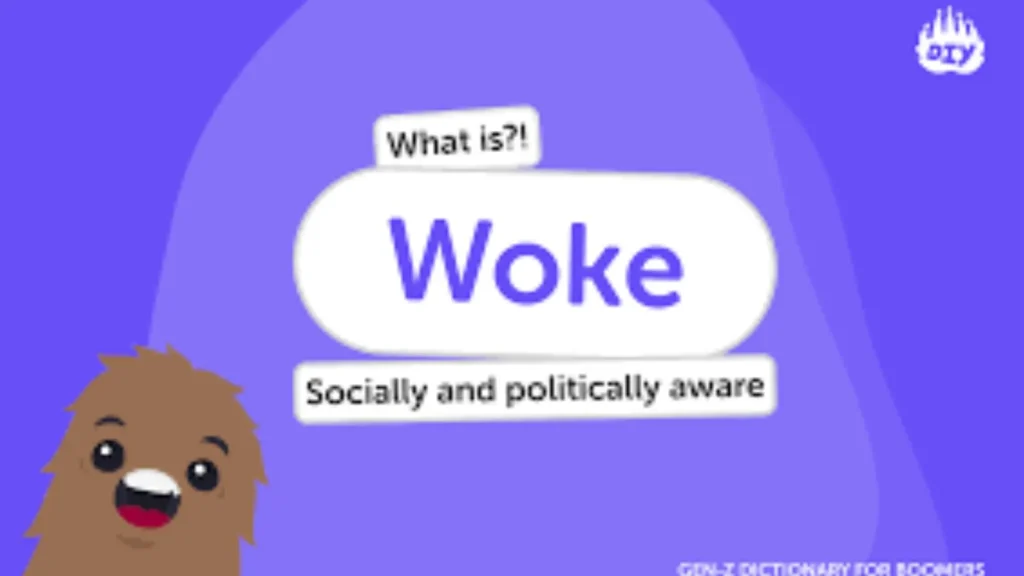
In recent years, the term “woke” has become a part of everyday conversations, social media debates, and pop culture discussions. But what does “woke” really stand for?
Originally rooted in African American Vernacular English , the word once meant being alert to social injustices, particularly those involving race and inequality.
Over time, its meaning has expanded, often encompassing awareness of gender issues, LGBTQ+ rights, environmental concerns, and other social justice topics.
Today, “woke” is a word that sparks both admiration and criticism.
For some, it represents a commitment to fairness, inclusivity, and empathy. For others, it has become a term used sarcastically to describe over-sensitivity or performative activism.
Understanding what “woke” truly means, its origins, and its evolution is essential in navigating modern social and cultural conversations.
In this article, we’ll explore the history, meaning, and impact of being “woke” in today’s society.
Origins of the Term Woke
The term “woke” has its roots in African American Vernacular English (AAVE), where it originally meant being alert and aware, especially regarding social injustices and racial inequality. The earliest recorded uses of “woke” date back to the early 20th century, often appearing in Black literature, music, and oral traditions. In these contexts, to be “woke” was to stay conscious of the systemic oppression faced by the Black community and to act with vigilance against discrimination.
The concept gained broader attention during the Civil Rights Movement in the 1960s. Activists encouraged people to “stay woke” as a call to awareness, urging communities to recognize unfair treatment, fight inequality, and demand justice. Songs, speeches, and literature from that era often referenced the importance of remaining socially conscious.
Originally, the word carried a positive connotation: being educated, aware, and morally responsible. It was not just a term, but a mindset—encouraging individuals to pay attention to societal issues that might otherwise go unnoticed. This foundational meaning still influences how the word is understood today, even as its usage has expanded into broader cultural and political contexts.
Evolution of Woke in Modern Culture
Over the decades, the meaning of “woke” has evolved far beyond its original context of racial awareness. By the 21st century, it became associated with a broader social consciousness that includes gender equality, LGBTQ+ rights, environmental justice, and other societal issues. The rise of social media played a major role in popularizing the term, turning it into a cultural phenomenon. Hashtags like #StayWoke and viral posts encouraged people to be aware of injustices and to hold institutions accountable.
Pop culture further expanded the reach of “woke.” Musicians, filmmakers, and celebrities began using the term to signal support for social causes or to call attention to systemic problems. TV shows, movies, and even advertising campaigns began referencing “woke culture,” making it a mainstream term.
However, this evolution also brought challenges. As “woke” became widely recognized, its meaning shifted in some circles. Critics began using it sarcastically to describe over-sensitivity, performative activism, or political correctness gone too far. Despite this, the core idea remains: being awake to societal issues and striving for awareness and justice. Understanding this evolution helps clarify why “woke” can carry both positive and negative connotations today.
Different Interpretations of Woke Today
In today’s society, the term “woke” carries multiple interpretations, depending on context, community, and perspective. At its core, being woke still means being socially conscious and aware of inequalities, injustices, and systemic problems. Many people use it positively to describe individuals who actively educate themselves, support marginalized communities, and advocate for fairness, inclusion, and social justice. In this sense, being woke is associated with empathy, vigilance, and responsibility.
However, not everyone views the term in a positive light. In political and cultural debates, “woke” is sometimes used sarcastically or critically to mock perceived over-sensitivity or performative activism. Critics argue that some people or institutions adopt “woke” behaviors more to appear morally correct than to create meaningful change. This dual usage has caused the word to become polarizing, with different groups assigning it either a badge of honor or a term of ridicule.
Context plays a crucial role in understanding what “woke” means in any situation. For example, social media posts or news articles may portray the term differently than grassroots activism. Recognizing these nuances helps individuals engage thoughtfully with conversations about social justice, culture, and politics, rather than assuming a single, universal meaning.
Woke in Media and Politics
The term “woke” has become a central topic in both media coverage and political discourse. In the media, it is often used to describe social movements, cultural debates, or corporate initiatives aimed at promoting inclusion and equality. News outlets may highlight instances of “woke culture” in schools, workplaces, or entertainment, framing it either positively as a push for progress or negatively as excessive political correctness. Pop culture, including movies, music, and television, has also embraced or criticized “woke” themes, making the term a recognizable part of mainstream discussions.
Politically, “woke” has taken on a more polarized meaning. Left-leaning perspectives often use the term to signify social awareness and activism, encouraging policies and practices that address discrimination and inequality. Right-leaning perspectives, however, may use “woke” as a pejorative term, arguing that it represents overreach, virtue signaling, or cultural over-sensitivity. This tension has made “woke” a flashpoint in debates over education, corporate policies, and media representation.
Despite differing opinions, the influence of “woke” in media and politics underscores its significance in shaping modern cultural conversations. Understanding these perspectives allows readers to navigate discussions critically, distinguishing genuine social awareness from exaggerated or performative portrayals.
Common Misconceptions About Woke
Despite its original meaning, the term “woke” is often misunderstood or misrepresented in modern conversations. One common misconception is that being woke means being perfect or morally superior. In reality, it refers to awareness and vigilance regarding social injustices, not personal perfection. People can be socially conscious without claiming to have all the answers.
Another misunderstanding is that “woke” equates to extreme political views or radical activism. While some critics portray it this way, the core concept simply encourages empathy, awareness, and fairness. Genuine “woke” behavior focuses on understanding systemic problems and taking thoughtful action, rather than simply opposing traditional norms or seeking attention.
Some people also confuse being woke with performative activism, assuming that anyone using the term is showing off their social consciousness. While performative actions exist, authentic woke behavior involves meaningful engagement, education, and advocacy for marginalized communities.
Finally, “woke” is sometimes misused as an insult to dismiss valid social concerns. Understanding its history and original intent helps clarify that the term represents consciousness and responsibility, not a political attack. By addressing these misconceptions, readers can approach discussions about social justice with clarity and respect.
Why Understanding Woke Matters
Understanding the meaning and context of “woke” is more important than ever in today’s interconnected world. As social media, news outlets, and popular culture constantly highlight issues of inequality, discrimination, and social justice, knowing what “woke” stands for allows individuals to engage thoughtfully and respectfully in these conversations. Misunderstanding the term can lead to miscommunication, stereotyping, or even dismissing legitimate concerns.
Being aware of the concept of woke helps people recognize systemic issues, such as racial inequality, gender discrimination, or environmental injustice. It encourages empathy and informed dialogue, allowing individuals to advocate for fairness and inclusion in meaningful ways. Additionally, understanding the nuances of the term prevents it from being used incorrectly as an insult or a tool for mockery.
In professional and personal settings, grasping the essence of “woke” can improve communication and cultural awareness. For example, discussing social issues in the workplace or engaging in online conversations requires sensitivity to avoid misunderstanding or offense. Ultimately, understanding woke is not about adopting a label—it’s about fostering awareness, critical thinking, and active participation in creating a fairer society. Recognizing the true meaning of being woke empowers individuals to contribute positively to cultural and social progress.
How to Be Thoughtfully Woke
Being woke today is more than just a label—it is a mindset that emphasizes awareness, empathy, and meaningful action. To be thoughtfully woke, one must first educate themselves about social issues, including racial inequality, gender discrimination, LGBTQ+ rights, and environmental concerns. Reading books, listening to diverse voices, and staying informed through credible sources are essential steps.
Next, it is important to practice empathy and active listening. Being woke is not about dominating conversations or proving moral superiority; it is about understanding different perspectives and acknowledging the experiences of marginalized communities. This approach fosters respectful dialogue and reduces misunderstandings.
Another key aspect is avoiding performative activism. Actions should be genuine and aim for real impact, whether it’s volunteering, supporting social causes, or advocating for policy changes. Sharing social media posts or using woke language without meaningful engagement can dilute the term’s true purpose.
Finally, being thoughtfully woke requires self-reflection and humility. It is normal to make mistakes, but being open to learning and growing is part of the process. True woke behavior combines awareness, action, and accountability, helping individuals contribute positively to society while staying conscious of broader social issues.
FAQs
Q1: What does “woke” mean in simple terms?
Being woke means being aware of social injustices, discrimination, and systemic inequalities. It involves staying informed and mindful of issues affecting marginalized communities.
Q2: Is “woke” a political term?
Not inherently. While often used in political debates, its original meaning is social awareness. Politics only influences how the term is perceived in modern discourse.
Q3: Can anyone be woke, or is it community-specific?
Anyone can adopt a woke mindset. Although the term originated in African American communities, its principles of awareness, empathy, and social responsibility apply universally.
Q4: How is “woke” different from being socially aware?
Being woke is a form of social awareness with an active focus on justice and equity. It often includes taking action or advocating for change, not just noticing inequalities.
Q5: Why do some people criticize the concept of being woke?
Criticism arises when the term is used sarcastically or associated with performative activism. Some perceive it as over-sensitivity or virtue signaling, rather than genuine awareness and action.
Understanding these FAQs clarifies the meaning, purpose, and modern interpretations of being woke. It helps individuals navigate conversations about culture, society, and justice with knowledge and respect.
Conclusion
In conclusion, the term “woke” has a rich history and a multifaceted meaning that continues to evolve. Originating in African American communities as a call for awareness of racial injustice, it has expanded to encompass broader social issues such as gender equality, LGBTQ+ rights, and environmental advocacy. Understanding its roots is essential to appreciating the word’s significance and the mindset it represents.
Today, “woke” can be interpreted both positively and negatively. On one hand, it symbolizes social consciousness, empathy, and a commitment to justice. On the other, it is sometimes used sarcastically to critique perceived over-sensitivity or performative activism. Context and intent play a crucial role in interpreting the term in conversations, media, and politics.
The key takeaway is that being woke is not just about using a label it is about cultivating awareness, engaging thoughtfully, and taking meaningful action. By educating ourselves, listening to diverse perspectives, and reflecting on our actions, we can contribute to a fairer and more inclusive society. Recognizing the true essence of “woke” empowers individuals to navigate cultural discussions wisely, advocate for social justice, and promote understanding in both personal and public spheres.

“On You Wishes, I share the most heartfelt wishes for every moment — birthdays, love, or motivation. Each message is written with emotion to bring smiles and inspiration!”