
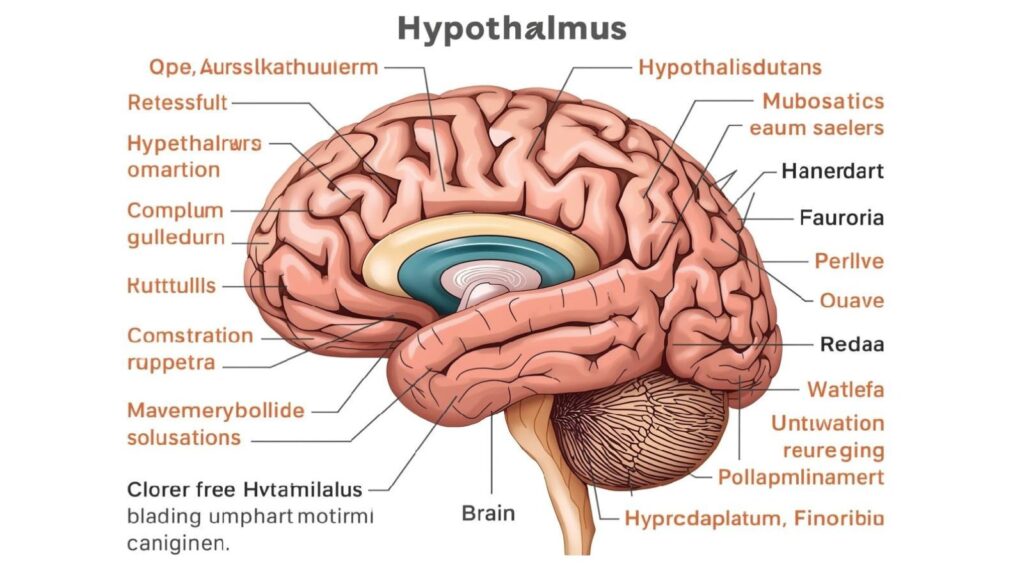
The hypothalamus is a small but extremely powerful part of the brain that plays a crucial role in keeping your body functioning properly. Even though it is only about the size of an almond, it acts as a major control center that helps regulate many of the body’s most essential processes.
From controlling body temperature and hunger to managing sleep, hormones, and emotions, the hypothalamus works constantly behind the scenes to keep your internal environment stable.
Many people ask, what does the hypothalamus do, because its functions affect everyday experiences such as feeling thirsty, getting hungry, reacting to stress, or feeling sleepy at night.
The hypothalamus connects the nervous system with the endocrine system, allowing the brain to communicate with hormone-producing glands.
This connection is vital for maintaining balance, also known as homeostasis. In this article, you’ll learn what the hypothalamus is, where it’s located, and how it helps regulate the body’s most important survival functions.
Is the Hypothalamus a Gland
The hypothalamus is not exactly a gland, but it plays a major role in the endocrine system. It is a small but powerful part of the brain located below the thalamus and above the pituitary gland. The hypothalamus acts as a control center that connects the nervous system with the hormonal system. Many people think it is a gland because it produces and controls hormones, but scientifically it is considered a brain structure. The hypothalamus helps regulate body temperature, hunger, thirst, sleep, emotions, and blood pressure. It also controls the pituitary gland, which is known as the master gland of the body. Through chemical signals, the hypothalamus tells the pituitary gland when to release hormones into the bloodstream. This important brain area keeps the body balanced and functioning properly. Problems in the hypothalamus can affect growth, metabolism, mood, and reproductive health. Understanding the hypothalamus is important because it plays a key role in maintaining overall body health and hormonal balance. Doctors and researchers continue to study the hypothalamus because of its powerful influence on both physical and mental health.
Does the Hypothalamus Produce Hormones
Yes, the hypothalamus produces several important hormones that help control many body functions. It is one of the most important hormone-regulating areas of the brain. The hypothalamus creates hormones that communicate directly with the pituitary gland. These hormones either stimulate or stop the release of other hormones in the body. Some major hormones produced by the hypothalamus include oxytocin, vasopressin, corticotropin-releasing hormone, and gonadotropin-releasing hormone. Oxytocin is often called the love hormone because it helps with bonding, childbirth, and breastfeeding. Vasopressin helps control water balance and blood pressure. The hypothalamus also manages hunger, sleep cycles, stress response, and body temperature through hormone regulation. Although the pituitary gland releases many hormones into the blood, the hypothalamus controls much of this activity. This close relationship keeps the endocrine system working properly. If the hypothalamus does not function correctly, hormone imbalances can occur and lead to health problems. The hypothalamus is therefore essential for maintaining healthy body functions and supporting overall well-being in both men and women.
Hypothalamus Is a Part of Which Brain
The hypothalamus is a part of the forebrain and belongs to an important region called the diencephalon. It is located deep inside the brain beneath the thalamus and just above the pituitary gland. Even though it is very small, the hypothalamus controls many vital body functions. It acts as a communication center between the brain and the endocrine system. The hypothalamus receives signals from different parts of the body and responds by maintaining balance inside the body, also known as homeostasis. It controls hunger, thirst, sleep, emotions, body temperature, and hormone production. The hypothalamus is also linked with the limbic system, which affects emotions and memory. Because of its important location in the brain, the hypothalamus can quickly respond to stress, fear, and environmental changes. Scientists consider the hypothalamus one of the most essential structures in the human brain. Damage to this area can lead to serious health problems, including hormonal disorders, sleep disturbances, and appetite changes. Learning about the hypothalamus helps people better understand how the brain controls both physical and emotional health.
Hypothalamus Symptoms
Hypothalamus symptoms can vary depending on the type of problem affecting this important brain structure. Since the hypothalamus controls hormones, sleep, hunger, temperature, and emotions, symptoms often affect many parts of the body. Common hypothalamus symptoms include unusual weight gain or weight loss, extreme thirst, sleep disorders, fatigue, mood swings, and changes in appetite. Some people may also experience problems with body temperature regulation, causing excessive sweating or feeling unusually cold. Hormonal imbalances linked to hypothalamus dysfunction can lead to infertility, low energy levels, delayed growth, or irregular menstrual cycles. Emotional symptoms such as anxiety, depression, and irritability may also occur. In children, hypothalamus disorders can affect growth and puberty development. Severe cases may involve vision problems or headaches if tumors are present near the hypothalamus. Because the hypothalamus works closely with the pituitary gland, symptoms often overlap with endocrine disorders. Early diagnosis is important for proper treatment and long-term health management. Doctors may use blood tests, brain scans, and hormone evaluations to identify hypothalamus-related conditions and provide the best possible medical care for patients.
Hypothalamus Treatment
Hypothalamus treatment depends on the underlying cause of the disorder or damage. Doctors first identify the specific condition affecting the hypothalamus before creating a treatment plan. Common treatments include hormone therapy, medications, lifestyle changes, and sometimes surgery. If a tumor is affecting the hypothalamus, surgery or radiation therapy may be needed. Hormone replacement therapy is often used when the hypothalamus causes hormone deficiencies. Patients with sleep problems, appetite disorders, or emotional symptoms may receive medications to help manage these conditions. Healthy eating, stress management, regular exercise, and proper sleep can also improve hypothalamus function. In some cases, treatment focuses on controlling symptoms rather than completely curing the disorder. Medical specialists such as endocrinologists and neurologists often work together to treat hypothalamus conditions. Early treatment is important because untreated hypothalamus disorders can affect growth, metabolism, fertility, and mental health. Modern medical technology has improved the diagnosis and treatment of hypothalamus-related diseases. With proper care and medical support, many patients can successfully manage their symptoms and maintain a healthy lifestyle while living with hypothalamus disorders or hormonal imbalances.
What Does the Hypothalamus Secrete
The hypothalamus secretes several important hormones that help regulate the endocrine system and maintain balance in the body. These hormones control many essential activities such as growth, metabolism, stress response, reproduction, and water balance. The hypothalamus produces releasing and inhibiting hormones that communicate directly with the pituitary gland. Some key hormones secreted by the hypothalamus include thyrotropin-releasing hormone, corticotropin-releasing hormone, gonadotropin-releasing hormone, dopamine, oxytocin, and vasopressin. Oxytocin supports childbirth, emotional bonding, and breastfeeding, while vasopressin helps regulate water levels and blood pressure. The hypothalamus also influences body temperature, hunger, sleep cycles, and emotional behavior through hormone secretion. These hormones travel through nerve pathways and blood vessels to affect other glands and organs. Because the hypothalamus controls so many body systems, even small changes in hormone secretion can affect overall health. Scientists consider the hypothalamus one of the body’s most important hormone control centers. Understanding what the hypothalamus secretes helps explain how the brain and endocrine system work together to keep the body functioning properly every day.
Does the Hypothalamus Control the Pituitary Gland
Yes, the hypothalamus controls the pituitary gland and plays a major role in regulating the body’s hormone system. The pituitary gland is often called the master gland, but the hypothalamus acts as the true control center behind it. Located just above the pituitary gland, the hypothalamus sends signals and hormones directly to it. These signals tell the pituitary gland when to release or stop releasing hormones into the bloodstream. Through this process, the hypothalamus helps control growth, metabolism, reproduction, stress response, and water balance. The connection between the hypothalamus and pituitary gland is extremely important for maintaining homeostasis in the body. If the hypothalamus is damaged, the pituitary gland may not function properly, leading to hormone imbalances and health problems. The hypothalamus also responds to information from the nervous system, allowing the body to adjust quickly to changes such as stress or temperature shifts. This close relationship between the hypothalamus and pituitary gland keeps the endocrine system balanced and supports healthy body function. Scientists continue studying this connection to better understand hormonal diseases and brain-related disorders.
Hypothalamus Disorders
Hypothalamus disorders are medical conditions that affect the normal function of the hypothalamus in the brain. These disorders can interfere with hormone production, body temperature control, appetite, sleep, emotions, and metabolism. Common causes of hypothalamus disorders include tumors, brain injuries, infections, genetic conditions, inflammation, or radiation therapy. Symptoms may include sleep disturbances, unusual weight changes, hormonal imbalances, infertility, fatigue, excessive thirst, and emotional problems. Some people may also experience delayed growth, early puberty, or irregular menstrual cycles. Because the hypothalamus controls the pituitary gland, many hypothalamus disorders also affect other endocrine glands in the body. Diagnosis usually involves blood tests, hormone evaluations, MRI scans, and physical examinations. Treatment depends on the specific condition and may include medications, hormone replacement therapy, surgery, or lifestyle changes. Early diagnosis is important because untreated hypothalamus disorders can seriously impact physical and mental health. Medical experts continue researching hypothalamus disorders to improve treatments and patient care. Understanding these disorders helps people recognize symptoms early and seek proper medical attention for better long-term health outcomes.
What Is the Hypothalamus?
The hypothalamus is a small but vital structure located deep within the brain that plays a key role in regulating many of the body’s automatic processes. It is part of the diencephalon, a region that also includes the thalamus, and it sits just below the thalamus and above the pituitary gland. Despite its small size, the hypothalamus has a powerful influence over both the nervous system and the endocrine system.
In simple terms, the hypothalamus acts as a link between the brain and the body. It receives information from different parts of the brain about the body’s internal state—such as temperature, hydration levels, and energy needs—and responds by triggering appropriate physical or hormonal reactions. For example, when your body temperature rises, the hypothalamus helps initiate sweating to cool you down. When energy levels drop, it stimulates hunger.
One of the most important roles of the hypothalamus is maintaining homeostasis, which refers to the body’s ability to keep internal conditions stable even when the external environment changes. This includes balancing body temperature, blood pressure, fluid levels, and hormone production.
The hypothalamus is also closely connected to the pituitary gland, often called the “master gland” of the endocrine system. Through this connection, the hypothalamus helps control hormone release that affects growth, metabolism, stress response, reproduction, and sleep. Because of these wide-ranging responsibilities, the hypothalamus is essential for survival and overall well-being, working continuously without conscious effort.
Where Is the Hypothalamus Located?
The hypothalamus is located deep within the center of the brain, near areas that are responsible for processing sensory information and regulating vital body functions. It sits below the thalamus, which acts as a relay station for sensory signals, and above the pituitary gland, to which it is physically connected by a small stalk called the infundibulum. This strategic position allows the hypothalamus to efficiently communicate with both the nervous system and the endocrine system.
Anatomically, the hypothalamus forms part of the diencephalon, a region of the brain that lies between the brainstem and the cerebral hemispheres. Although the hypothalamus is small—roughly the size of an almond—it is densely packed with specialized nerve cells called nuclei. Each of these nuclei is responsible for specific regulatory tasks, such as controlling hunger, thirst, body temperature, or hormone release.
The hypothalamus is also closely associated with the limbic system, which is involved in emotion, memory, and behavior. This connection helps explain why emotions, stress, and motivation can influence physical functions like appetite, heart rate, and sleep patterns. For example, emotional stress can affect hormone levels or disrupt sleep, all through hypothalamic activity.
Because of its central location, the hypothalamus acts as a command center that receives signals from multiple parts of the brain and the body. It processes this information and sends instructions that help maintain balance and stability. Its placement allows it to quickly detect changes in the body’s internal environment and respond in a way that supports overall health and survival.
Structure of the Hypothalamus
The hypothalamus may be small, but its internal structure is highly complex and precisely organized to support its many functions. It is made up of several clusters of nerve cells known as nuclei, each responsible for regulating specific bodily processes. Rather than working as a single unit, these nuclei function together as a coordinated network that helps maintain balance within the body.
The hypothalamus is commonly divided into three main regions: the anterior (front), tuberal (middle), and posterior (back) regions. Each region contains nuclei with specialized roles. For example, nuclei in the anterior region are involved in regulating body temperature, sleep, and hormone release. The middle region plays a major role in controlling hunger and metabolism, while the posterior region helps manage wakefulness and energy balance.
Some of the most well-known hypothalamic nuclei include the suprachiasmatic nucleus, which controls the body’s internal clock and circadian rhythm, and the arcuate nucleus, which helps regulate appetite and hormone signaling. Other nuclei are responsible for thirst, sexual behavior, and stress responses.
The hypothalamus also contains important nerve pathways that connect it to other brain areas and to the pituitary gland. These connections allow it to rapidly send electrical signals or release hormones into the bloodstream. This dual communication system is what makes the hypothalamus so effective at coordinating quick responses and long-term regulation. Overall, its specialized structure enables it to manage many essential functions that keep the body stable and functioning properly.
What Does the Hypothalamus Do?
The hypothalamus serves as one of the most important control centers in the human body, regulating many essential functions that keep you alive and healthy. Its primary role is to maintain homeostasis, meaning it works continuously to keep the body’s internal conditions stable. It does this by monitoring changes in the body and sending signals that trigger appropriate physical or hormonal responses.
One of the key functions of the hypothalamus is body temperature regulation. It acts like the body’s thermostat by detecting changes in temperature and responding accordingly. When the body becomes too warm, the hypothalamus signals mechanisms such as sweating and increased blood flow to the skin. When the body is too cold, it triggers shivering and reduces heat loss.
The hypothalamus also controls hunger and appetite by monitoring energy levels and nutrient availability. It helps determine when you feel hungry and when you feel full, playing a major role in maintaining a healthy energy balance. Similarly, it regulates thirst and fluid balance, ensuring the body has enough water to function properly.
Another vital function is regulating the sleep-wake cycle. The hypothalamus responds to light and darkness, helping control circadian rhythms that influence sleep patterns and alertness. In addition, it influences emotions, motivation, and stress responses by interacting with the limbic system.
Through its close connection with the pituitary gland, the hypothalamus also regulates hormone release, affecting growth, metabolism, reproduction, and stress management. Together, these functions make the hypothalamus essential for everyday survival.
Regulation of Body Temperature
One of the most important functions of the hypothalamus is the regulation of body temperature. It acts as the body’s internal thermostat, constantly monitoring changes in temperature to ensure the body stays within a healthy range. The hypothalamus receives temperature signals from nerve endings in the skin as well as from the blood flowing through the brain. By comparing this information to the body’s normal temperature, it can quickly determine whether adjustments are needed.
When the body becomes too hot, the hypothalamus activates cooling mechanisms. These include increasing blood flow to the skin, which allows heat to escape more easily, and triggering sweating. As sweat evaporates from the skin, it helps cool the body down. At the same time, the hypothalamus reduces heat production by slowing certain metabolic processes.
On the other hand, when the body temperature drops too low, the hypothalamus initiates heat-producing responses. It signals muscles to contract rapidly, causing shivering, which generates heat. It also reduces blood flow to the skin to conserve warmth and may increase metabolic activity to produce more heat internally.
This temperature regulation happens automatically and continuously, without conscious effort. Even small changes in body temperature can disrupt normal bodily functions, which is why the hypothalamus plays such a critical role. If the hypothalamus is damaged or not functioning properly, the body may struggle to regulate temperature, leading to conditions such as overheating or hypothermia. Overall, this function is essential for maintaining stability and supporting normal cellular activity throughout the body.
Control of Hunger and Appetite
The hypothalamus plays a central role in controlling hunger and appetite, helping the body maintain a healthy balance between energy intake and energy use. It constantly monitors signals related to nutrient levels, energy stores, and hormone activity to determine when the body needs food and when it has had enough. This regulation is essential for sustaining energy, supporting growth, and maintaining a stable body weight.
Several hypothalamic nuclei work together to manage appetite. These regions receive signals from hormones such as ghrelin, which stimulates hunger, and leptin, which signals fullness. When energy levels are low, the hypothalamus responds by increasing hunger sensations and motivating food-seeking behavior. When sufficient energy has been consumed, it reduces appetite and promotes feelings of satiety.
The hypothalamus also helps regulate metabolism, influencing how the body uses and stores energy. It can adjust metabolic rate based on factors such as food intake, physical activity, and overall energy needs. This is why disruptions in hypothalamic function can contribute to weight gain or weight loss.
In addition to physical signals, the hypothalamus is influenced by emotional and environmental factors. Stress, emotions, and learned behaviors can affect appetite by altering hypothalamic activity. For example, stress may suppress appetite in some people or increase cravings in others.
When the hypothalamus does not function properly, appetite regulation can become impaired, leading to conditions such as overeating, loss of appetite, or hypothalamic obesity. Overall, this system ensures that the body receives the energy it needs to function efficiently while avoiding excess intake.
Regulation of Thirst and Fluid Balance
The hypothalamus plays a vital role in regulating thirst and maintaining proper fluid balance in the body. Water is essential for nearly every biological process, and even small changes in fluid levels can affect blood pressure, temperature regulation, and overall cellular function. The hypothalamus continuously monitors the body’s hydration status to ensure that fluid levels remain within a healthy range.
Specialized receptors in the hypothalamus, known as osmoreceptors, detect changes in the concentration of salts and other substances in the blood. When the body becomes dehydrated, these receptors sense an increase in blood concentration and trigger the sensation of thirst. This motivates you to drink fluids and restore balance. At the same time, the hypothalamus signals the pituitary gland to release antidiuretic hormone (ADH), which helps the kidneys conserve water by reducing urine output.
When the body has sufficient fluid, the hypothalamus reduces thirst signals and lowers ADH release, allowing excess water to be excreted through urine. This precise control prevents both dehydration and overhydration, which can be harmful if left unregulated.
The hypothalamus also integrates fluid balance with other bodily systems, such as temperature regulation and blood pressure control. For example, sweating during heat exposure increases fluid loss, prompting the hypothalamus to increase thirst and water conservation mechanisms.
If the hypothalamus is damaged or its signaling pathways are disrupted, fluid regulation can be impaired. This may lead to conditions such as excessive thirst or abnormal urination. By carefully managing thirst and fluid balance, the hypothalamus helps protect the body’s internal environment and supports overall health.
Regulation of Sleep and Circadian Rhythms
The hypothalamus plays a key role in regulating sleep and maintaining the body’s natural circadian rhythms, which are 24-hour cycles that control sleep, wakefulness, and many other biological processes. These rhythms help the body adapt to day and night patterns, ensuring proper rest, alertness, and overall health.
At the center of this regulation is a group of neurons called the suprachiasmatic nucleus (SCN), located within the hypothalamus. The SCN acts as the body’s internal clock. It receives direct input from the eyes, allowing it to detect light and darkness. When light levels change, the SCN adjusts the timing of biological processes accordingly.
In response to darkness, the hypothalamus signals the pineal gland to release melatonin, a hormone that promotes sleepiness. As daylight increases, melatonin production decreases, helping you wake up and stay alert. This system ensures that sleep occurs at appropriate times and supports healthy sleep patterns.
The hypothalamus also influences the quality and depth of sleep by coordinating with other brain regions involved in arousal and relaxation. It helps regulate transitions between wakefulness, light sleep, and deep sleep stages. Disruptions to hypothalamic function can lead to sleep disorders such as insomnia, irregular sleep-wake cycles, or excessive daytime sleepiness.
Factors such as shift work, jet lag, stress, and exposure to artificial light can interfere with hypothalamic control of circadian rhythms. When this regulation is disrupted, it can affect mood, metabolism, and immune function. By maintaining stable circadian rhythms, the hypothalamus supports both physical health and mental well-being.
Emotional and Behavioral Regulation
The hypothalamus plays an important role in regulating emotions and behavior by working closely with the limbic system, the part of the brain involved in feelings, motivation, and memory. Through these connections, the hypothalamus helps translate emotional experiences into physical responses, allowing the body to react appropriately to different situations.
One of the key ways the hypothalamus influences behavior is through its role in the stress response. When you experience stress or fear, the hypothalamus activates the “fight-or-flight” response by signaling the adrenal glands to release stress hormones such as cortisol and adrenaline. These hormones increase heart rate, raise blood pressure, and prepare the body to respond to perceived threats.
The hypothalamus also affects motivation and reward-related behaviors, including eating, drinking, and sexual activity. It helps regulate drives that are essential for survival and reproduction. For example, changes in hypothalamic activity can influence sexual desire, maternal behaviors, and social bonding.
Emotional states such as anger, pleasure, and fear can trigger hypothalamic responses that lead to physical changes like sweating, changes in heart rate, or shifts in hormone levels. This explains why strong emotions often produce noticeable bodily reactions.
When the hypothalamus does not function properly, emotional regulation may be disrupted. This can contribute to mood changes, anxiety, or abnormal stress responses. Chronic stress, in particular, can overstimulate hypothalamic pathways and negatively impact sleep, appetite, and immune function.
By linking emotions to physical reactions, the hypothalamus helps ensure that the body responds to emotional experiences in a coordinated and adaptive way, supporting both survival and emotional balance.
Sexual Behavior and Reproduction
The hypothalamus plays a critical role in regulating sexual behavior and reproductive function. It acts as a control center that links the nervous system to the reproductive hormones necessary for sexual development, fertility, and reproductive health. From the onset of puberty to adult reproductive function, the hypothalamus helps coordinate the timing and release of key hormones.
One of the hypothalamus’s most important roles in reproduction is the release of gonadotropin-releasing hormone (GnRH). This hormone signals the pituitary gland to produce luteinizing hormone (LH) and follicle-stimulating hormone (FSH), which are essential for sperm production in males and ovulation and menstrual cycle regulation in females. Without proper GnRH signaling, normal reproductive function cannot occur.
The hypothalamus also influences sexual behavior and libido by responding to hormone levels such as testosterone and estrogen. These hormones affect sexual desire, reproductive behaviors, and secondary sexual characteristics. The hypothalamus helps maintain balance by adjusting hormone release based on the body’s needs.
During puberty, the hypothalamus becomes more active, triggering the hormonal changes that lead to physical and sexual maturation. In adulthood, it continues to regulate fertility, pregnancy-related hormone changes, and, in females, the menstrual cycle.
Damage or dysfunction of the hypothalamus can disrupt reproductive hormones, leading to delayed puberty, infertility, irregular menstrual cycles, or reduced sexual drive. Overall, the hypothalamus ensures that reproductive processes are properly timed and coordinated, supporting both sexual health and the continuation of the species.
Hypothalamus and Hormone Control
The hypothalamus plays a central role in hormone control by acting as a key link between the nervous system and the endocrine system. It helps regulate the release of hormones that influence growth, metabolism, stress, reproduction, and many other vital functions. This coordination allows the brain to control long-term bodily processes through chemical signaling.
One of the primary ways the hypothalamus controls hormones is by producing releasing and inhibiting hormones. These hormones travel to the pituitary gland, where they either stimulate or suppress the release of other hormones. For example, the hypothalamus releases thyroid-releasing hormone (TRH), which signals the pituitary to regulate thyroid hormone production and metabolism. It also releases corticotropin-releasing hormone (CRH), which helps control the body’s response to stress.
In addition to controlling the pituitary gland, the hypothalamus produces two important hormones itself: oxytocin and antidiuretic hormone (ADH). These hormones are stored and released by the posterior pituitary but are synthesized in the hypothalamus. Oxytocin plays a role in childbirth, breastfeeding, and social bonding, while ADH helps regulate fluid balance and blood pressure.
Because hormone systems are interconnected, even small changes in hypothalamic signaling can have widespread effects on the body. Imbalances can affect growth, energy levels, mood, and reproductive health.
The hypothalamus continuously adjusts hormone release based on feedback from the body, ensuring proper balance. This feedback system allows the body to respond to internal and external changes efficiently. Overall, the hypothalamus’s role in hormone control is essential for maintaining stability, adaptability, and overall health.
Hypothalamus vs. Pituitary Gland
The hypothalamus and the pituitary gland work so closely together that they are often referred to as the body’s main hormonal control system. While they are distinct structures with different roles, their partnership is essential for regulating many critical bodily functions. Understanding the difference between the two helps explain how the brain controls hormone production.
The hypothalamus is part of the brain and acts as the decision-maker. It monitors the body’s internal environment, including temperature, hydration, stress levels, and energy balance. Based on this information, it determines which hormonal responses are needed. The hypothalamus communicates these instructions by releasing specific hormones or nerve signals.
The pituitary gland, located just below the hypothalamus, functions as the hormone distributor. It responds to signals from the hypothalamus by releasing hormones into the bloodstream that act on other glands and tissues. These hormones influence growth, thyroid activity, adrenal function, and reproductive processes.
The two glands are connected both physically and functionally. The anterior pituitary is controlled by releasing and inhibiting hormones from the hypothalamus, while the posterior pituitary stores and releases hormones made by the hypothalamus, such as oxytocin and antidiuretic hormone.
Although the pituitary is often called the “master gland,” it does not act independently. The hypothalamus provides the direction, ensuring that hormone release matches the body’s needs. If either structure is damaged, hormone regulation can be disrupted, leading to widespread health issues. Together, the hypothalamus and pituitary gland form a precise and efficient system that maintains balance throughout the body.
Role of the Hypothalamus in Homeostasis
The hypothalamus plays a vital role in maintaining homeostasis, which is the body’s ability to keep its internal environment stable despite changes in the external surroundings. Homeostasis is essential for survival, as cells and organs can only function properly within a narrow range of conditions. The hypothalamus acts as a central regulator that constantly monitors and adjusts the body’s internal balance.
The hypothalamus receives information from sensors throughout the body, including signals related to temperature, hydration, blood sugar levels, and hormone concentrations. When it detects an imbalance, it initiates corrective responses to restore stability. For example, if blood sugar levels drop, the hypothalamus triggers hunger signals to encourage food intake. If body temperature rises, it activates cooling mechanisms such as sweating.
This regulation occurs through two main pathways: the nervous system and the endocrine system. The hypothalamus can send rapid electrical signals through nerves for immediate responses, or it can release hormones that produce longer-lasting effects. This dual control allows the body to respond efficiently to both short-term and long-term changes.
Homeostasis also involves managing stress. When the body faces physical or emotional stress, the hypothalamus coordinates the release of stress hormones that help the body cope while preventing excessive damage. Once the stress has passed, it helps return hormone levels to normal.
If the hypothalamus cannot maintain homeostasis due to injury or disease, multiple body systems can be affected. This may lead to problems such as hormonal imbalances, temperature instability, or metabolic disorders. Overall, the hypothalamus is essential for keeping the body in balance and functioning smoothly.
Hypothalamus and the Autonomic Nervous System
The hypothalamus plays a crucial role in controlling the autonomic nervous system (ANS), which regulates involuntary body functions such as heart rate, blood pressure, digestion, and breathing. These processes occur automatically, without conscious thought, and are essential for maintaining internal stability and responding to changing conditions.
The autonomic nervous system has two main divisions: the sympathetic nervous system and the parasympathetic nervous system. The hypothalamus helps coordinate the activity of both systems to ensure balanced responses. When the body faces stress or danger, the hypothalamus activates the sympathetic nervous system, triggering the “fight-or-flight” response. This leads to increased heart rate, elevated blood pressure, and the release of stress hormones that prepare the body for action.
In contrast, during periods of rest and recovery, the hypothalamus promotes parasympathetic activity. This supports functions such as digestion, energy storage, and relaxation. Heart rate slows, blood pressure decreases, and the body focuses on maintenance and repair.
The hypothalamus integrates signals from the brain and the body to determine which autonomic response is appropriate. Emotional experiences, physical activity, and environmental factors can all influence hypothalamic control of the ANS. For example, fear or anxiety can rapidly trigger sympathetic activation, while calm environments encourage parasympathetic dominance.
When hypothalamic regulation of the autonomic nervous system is disrupted, it can lead to symptoms such as abnormal heart rate, digestive issues, or difficulty managing stress. By maintaining proper balance between sympathetic and parasympathetic activity, the hypothalamus helps ensure smooth and efficient functioning of vital body systems.
What Happens When the Hypothalamus Is Not Working Properly?
When the hypothalamus is not functioning properly, it can affect many systems in the body because of its wide-ranging responsibilities. Since the hypothalamus helps regulate temperature, hunger, hormones, sleep, and emotions, dysfunction can lead to a variety of physical and mental symptoms.
One common issue is hormonal imbalance. Because the hypothalamus controls the pituitary gland, problems in hypothalamic signaling can disrupt hormone production throughout the body. This may result in abnormal growth, fatigue, fertility problems, or changes in metabolism. Temperature regulation can also be affected, causing the body to overheat or struggle to stay warm.
Disruption of hunger and thirst regulation may lead to excessive eating, loss of appetite, abnormal thirst, or unusual weight changes. Sleep disturbances are also common, including insomnia, irregular sleep patterns, or excessive daytime sleepiness. Emotional and behavioral changes, such as mood swings, anxiety, or difficulty managing stress, may occur due to altered communication with the limbic system.
Several factors can cause hypothalamic dysfunction, including head injuries, tumors, infections, genetic disorders, or inflammatory diseases. Chronic stress can also interfere with normal hypothalamic activity over time.
Diagnosis typically involves hormone testing, imaging studies such as MRI scans, and evaluation of symptoms. Treatment depends on the underlying cause and may include hormone replacement therapy, medication, or lifestyle adjustments.
Because the hypothalamus influences so many essential functions, even minor disruptions can have widespread effects. Early diagnosis and proper management are important to reduce complications and improve quality of life.
Disorders Related to the Hypothalamus
Several medical conditions are directly linked to problems with hypothalamic function. Because the hypothalamus regulates hormones, appetite, sleep, and temperature, disorders affecting this region can have widespread effects on the body. These conditions may develop due to injury, disease, or genetic factors and often require careful medical evaluation.
One well-known condition is hypothalamic obesity, which occurs when damage to the hypothalamus disrupts appetite control and energy balance. Individuals with this condition may experience rapid weight gain that is difficult to manage through diet and exercise alone. Another disorder is diabetes insipidus, which results from insufficient production or release of antidiuretic hormone (ADH). This leads to excessive thirst and frequent urination due to the body’s inability to retain water.
Sleep disorders can also arise from hypothalamic dysfunction. Because the hypothalamus controls circadian rhythms, damage may cause irregular sleep-wake cycles, insomnia, or excessive daytime sleepiness. Hormonal disorders are another common issue, as disrupted hypothalamic signaling can interfere with growth, thyroid function, stress hormone regulation, and reproductive health.
Some hypothalamic disorders are caused by tumors, infections, inflammation, or radiation therapy. Genetic conditions affecting hypothalamic development can also lead to long-term health problems. Symptoms may vary widely depending on which hypothalamic functions are affected.
Managing hypothalamic disorders often involves treating the underlying cause, along with hormone therapy or symptom-specific treatments. Early diagnosis is important to prevent complications. Understanding these disorders highlights just how essential the hypothalamus is for maintaining balance and overall health.
How Is Hypothalamic Dysfunction Diagnosed?
Diagnosing hypothalamic dysfunction can be challenging because the hypothalamus controls many different body functions, and its symptoms often overlap with other medical conditions. Doctors typically begin the diagnostic process with a detailed medical history and physical examination to understand the patient’s symptoms, lifestyle factors, and any previous injuries or illnesses that may affect brain function.
One of the most important diagnostic tools is hormone testing. Blood and urine tests are used to measure levels of hormones regulated by the hypothalamus and pituitary gland, such as cortisol, thyroid hormones, growth hormone, and reproductive hormones. Abnormal hormone levels can provide valuable clues about whether hypothalamic signaling is disrupted.
Imaging tests are also commonly used to examine the structure of the hypothalamus. Magnetic resonance imaging (MRI) is the preferred method because it produces detailed images of soft brain tissues. MRI scans can help detect tumors, inflammation, structural abnormalities, or damage caused by injury or infection. In some cases, computed tomography (CT) scans may be used, although they provide less detail than MRI.
Additional tests may be performed to evaluate specific symptoms. Sleep studies can help diagnose circadian rhythm disorders, while fluid balance tests may be used if diabetes insipidus is suspected. Vision tests may also be necessary, as hypothalamic tumors can affect nearby optic nerves.
Because hypothalamic disorders are complex, diagnosis often involves a team of specialists, including endocrinologists and neurologists. Accurate diagnosis is essential for developing an effective treatment plan and preventing long-term complications.
Treatment Options for Hypothalamus Disorders
Treatment for hypothalamus disorders depends largely on the underlying cause and the specific functions affected. Because the hypothalamus influences hormone production, appetite, sleep, and temperature regulation, treatment plans are often tailored to manage symptoms while addressing the root problem whenever possible.
One of the most common approaches is hormone replacement therapy. If hypothalamic dysfunction leads to low or imbalanced hormone levels, doctors may prescribe medications to replace or regulate hormones such as thyroid hormones, cortisol, growth hormone, or reproductive hormones. This helps restore normal body functions and reduce symptoms.
Medications may also be used to manage specific issues, such as abnormal appetite, sleep disturbances, or fluid imbalance. For example, synthetic antidiuretic hormone may be prescribed for patients with diabetes insipidus to help control excessive urination and thirst. Sleep disorders may be treated with medications or behavioral therapies that help stabilize circadian rhythms.
If a tumor, infection, or inflammation is causing hypothalamic damage, treatment may involve surgery, radiation therapy, or antibiotics, depending on the condition. Managing chronic stress through lifestyle changes, counseling, or stress-reduction techniques can also support healthier hypothalamic function.
Dietary changes, regular sleep schedules, and physical activity may help manage symptoms and improve overall well-being. Because hypothalamic disorders can be complex and long-term, patients often require ongoing monitoring and follow-up care. With proper treatment and management, many individuals can improve their symptoms and maintain a good quality of life despite hypothalamic challenges.
Interesting Facts About the Hypothalamus
The hypothalamus is one of the most fascinating parts of the brain because of how much responsibility it holds despite its small size. Weighing only a few grams and roughly the size of an almond, it plays a role in nearly every essential function that keeps the body alive and balanced.
One interesting fact is that the hypothalamus works mostly without conscious awareness. You do not have to think about regulating your body temperature, feeling thirsty, or maintaining hormone balance—these processes are automatically controlled by the hypothalamus. This makes it a critical part of the brain’s background control system.
The hypothalamus is also a key reason why emotions cause physical reactions. When you feel nervous, embarrassed, or excited, changes such as sweating, increased heart rate, or appetite loss often occur. These physical responses are driven by hypothalamic signals interacting with the autonomic nervous system and endocrine system.
Another remarkable feature is its role as a bridge between the brain and hormones. It is one of the few brain regions that directly controls hormone release, allowing thoughts, stress, and emotions to influence long-term bodily processes like growth, reproduction, and metabolism.
The hypothalamus also helps regulate the body’s internal clock, adjusting sleep patterns based on light exposure. This is why disruptions such as jet lag or night-shift work can strongly affect sleep, mood, and energy levels.
Without a properly functioning hypothalamus, survival would not be possible. Its constant monitoring and fine-tuning of the body’s internal environment make it one of the most essential and powerful structures in the human brain.
What Does the Hypothalamus Do
The hypothalamus is a small but very important part of the brain that helps control many basic body functions. It is located below the thalamus and above the pituitary gland. Even though it is tiny, the hypothalamus plays a huge role in keeping the body balanced and healthy. It controls body temperature, hunger, thirst, sleep, mood, and hormone release. The hypothalamus also connects the nervous system with the endocrine system, which is responsible for hormones in the body. When your body gets too hot or too cold, the hypothalamus helps adjust your temperature. It also tells you when you are hungry or thirsty. Another important job of the hypothalamus is controlling emotions and stress responses. It works closely with the pituitary gland to manage growth, metabolism, and reproduction. The hypothalamus also helps regulate your sleep cycle, making sure your body gets proper rest. Without the hypothalamus, the body would struggle to maintain normal functions. This tiny brain structure acts like the body’s control center and is essential for survival and overall well-being.
Hypothalamus Function Simple
The hypothalamus has many important functions that help the body work properly every day. In simple words, it acts like the body’s manager because it controls several automatic activities. One of its main functions is keeping the body in balance, also known as homeostasis. The hypothalamus controls hunger and thirst by sending signals when your body needs food or water. It also helps maintain a healthy body temperature by making you sweat when hot or shiver when cold. Another simple function of the hypothalamus is regulating sleep and wake cycles. It helps your body know when it is time to sleep and when it is time to wake up. The hypothalamus also controls hormones through the pituitary gland. These hormones affect growth, mood, metabolism, and reproduction. In stressful situations, the hypothalamus helps trigger the body’s fight-or-flight response. It also plays a role in emotions such as happiness, anger, and fear. Even though it is only a small part of the brain, the hypothalamus is extremely important because it supports many daily body activities and helps keep you healthy and active.
What Hypothalamus Does
The hypothalamus performs many important tasks that are necessary for human survival. It is part of the brain and works closely with the nervous system and endocrine system. One major role of the hypothalamus is controlling hormones by communicating with the pituitary gland. These hormones influence growth, energy levels, mood, and reproductive health. The hypothalamus also helps regulate body temperature to keep it stable in different environments. It controls feelings of hunger and thirst, helping the body know when it needs food or water. Another important job is managing sleep patterns and biological rhythms. The hypothalamus helps control emotional responses and stress reactions as well. When a person feels stressed or scared, the hypothalamus activates the body’s defense system. It also helps regulate blood pressure, heart rate, and digestion. Because the hypothalamus controls so many automatic functions, it is often called the body’s control center. Even though it is very small, it has a powerful impact on physical and emotional health. A healthy hypothalamus is important for maintaining balance and supporting normal body functions every day.
What Is the Hypothalamus and What Does It Do
The hypothalamus is a small area located deep inside the brain near the pituitary gland. It is responsible for controlling many essential body functions that keep people alive and healthy. The hypothalamus acts as a communication center between the brain and the hormone system. One of its main jobs is maintaining homeostasis, which means keeping the body balanced. It regulates body temperature, hunger, thirst, sleep, and emotions. The hypothalamus also controls the release of hormones through the pituitary gland. These hormones affect growth, metabolism, stress levels, and reproduction. Another important role of the hypothalamus is controlling the autonomic nervous system, which manages automatic body actions like breathing and heartbeat. It also helps the body respond to stress and emotional situations. When the body becomes dehydrated, the hypothalamus creates the feeling of thirst. When the body needs energy, it triggers hunger signals. This brain structure also supports healthy sleep cycles and emotional stability. Although the hypothalamus is very small, it has a major effect on both physical and mental health. It is one of the most important parts of the human brain.
What Do Hypothalamus Do
The hypothalamus helps control many important body processes that happen automatically every day. It is located in the brain and works as a link between the nervous system and endocrine system. One of the main things the hypothalamus does is regulate hormones through the pituitary gland. These hormones influence growth, stress, metabolism, mood, and reproduction. The hypothalamus also controls body temperature and helps keep it stable. It sends signals that make people feel hungry or thirsty when the body needs food or water. Another important role is controlling sleep patterns and daily biological rhythms. The hypothalamus also supports emotional reactions and helps the body respond to stress. It can increase heart rate and energy levels during dangerous situations. In addition, it helps regulate blood pressure and digestion. Because it controls so many vital activities, the hypothalamus is considered one of the most important parts of the brain. Even though it is tiny in size, it has a huge impact on overall health and body balance. Proper hypothalamus function is necessary for maintaining normal physical and emotional well-being throughout life.
Fun Facts About the Hypothalamus
The hypothalamus is one of the most interesting parts of the human brain because it controls many essential body functions despite being very small. One fun fact is that the hypothalamus is about the size of an almond, yet it manages hunger, thirst, sleep, mood, and temperature. Another interesting fact is that it helps control the body’s internal clock, which is why people feel sleepy at night and awake during the day. The hypothalamus also works closely with the pituitary gland, often called the “master gland” of the body. It can affect emotions like anger, happiness, and fear. Scientists believe the hypothalamus also plays a role in love and emotional bonding because it helps release hormones such as oxytocin. Another fun fact is that the hypothalamus can trigger sweating when the body gets too hot and shivering when it gets too cold. It also helps the body respond to stress through the fight-or-flight response. Even though the hypothalamus is tiny, it performs powerful tasks that are important for survival. This small brain structure is truly one of the body’s most amazing control centers.
FAQs
What does the hypothalamus control?
The hypothalamus controls many automatic body functions, including body temperature, hunger, thirst, sleep, hormone release, emotional responses, and stress regulation. It acts as a command center that helps maintain balance within the body.
Why is the hypothalamus important?
The hypothalamus is important because it keeps the body’s internal environment stable, a process known as homeostasis. Without it, essential functions such as temperature control, fluid balance, and hormone regulation would not work properly, making survival impossible.
Is the hypothalamus part of the endocrine system?
The hypothalamus is part of the brain, but it plays a major role in the endocrine system. It connects the nervous system to the endocrine system by controlling the pituitary gland and regulating hormone release throughout the body.
Can stress affect the hypothalamus?
Yes, chronic stress can affect hypothalamic function. Prolonged stress may disrupt hormone balance, sleep patterns, appetite, and immune function due to overactivation of stress-response pathways.
What happens if the hypothalamus is damaged?
Damage to the hypothalamus can lead to hormonal imbalances, sleep problems, appetite changes, emotional disturbances, and difficulty regulating body temperature or fluid balance.
Can you live without a functioning hypothalamus?
A fully functioning hypothalamus is essential for life. Severe damage to this area can be life-threatening because it controls vital survival functions.
These questions highlight how central the hypothalamus is to everyday health and overall body regulation.
Conclusion
The hypothalamus may be small in size, but its impact on the human body is enormous. As a central control center deep within the brain, it plays a critical role in regulating many of the body’s most essential functions. From controlling body temperature, hunger, and thirst to managing sleep, hormones, emotions, and stress responses, the hypothalamus works constantly to keep the body balanced and functioning properly.
Understanding what the hypothalamus does helps explain many everyday experiences, such as feeling hungry after missing a meal, getting sleepy at night, or sweating when you are hot. It also highlights how closely the brain and body are connected. By linking the nervous system with the endocrine system, the hypothalamus allows thoughts, emotions, and environmental changes to influence long-term physical processes like growth, metabolism, and reproduction.
When the hypothalamus functions properly, most of its work goes unnoticed. However, when it is damaged or disrupted, the effects can be widespread, impacting multiple systems at once. This is why hypothalamic disorders often involve complex symptoms related to hormones, sleep, appetite, and emotional regulation.
Overall, the hypothalamus is essential for survival and overall well-being. Its ability to monitor internal conditions and make constant adjustments ensures that the body remains stable even in changing environments. By learning about the hypothalamus and its functions, we gain a deeper appreciation for the intricate systems that keep the human body healthy, balanced, and adaptable throughout life.
Discover More Post
- Wtm Meaning in Text Explained for Everyone
- YW Meaning in Text: Full Guide for Beginners
- What Is Mmguardian Meaning? Full Guide for Beginners

Hey! Welcome to You Wishes — I write heartfelt wishes for every mood and moment. Let’s turn your emotions into words together, just tell me what you feel!